


Spring is when many homeowners finally schedule the kitchen remodel, gutter cleaning, landscaping project, or roof repair they put off during winter.
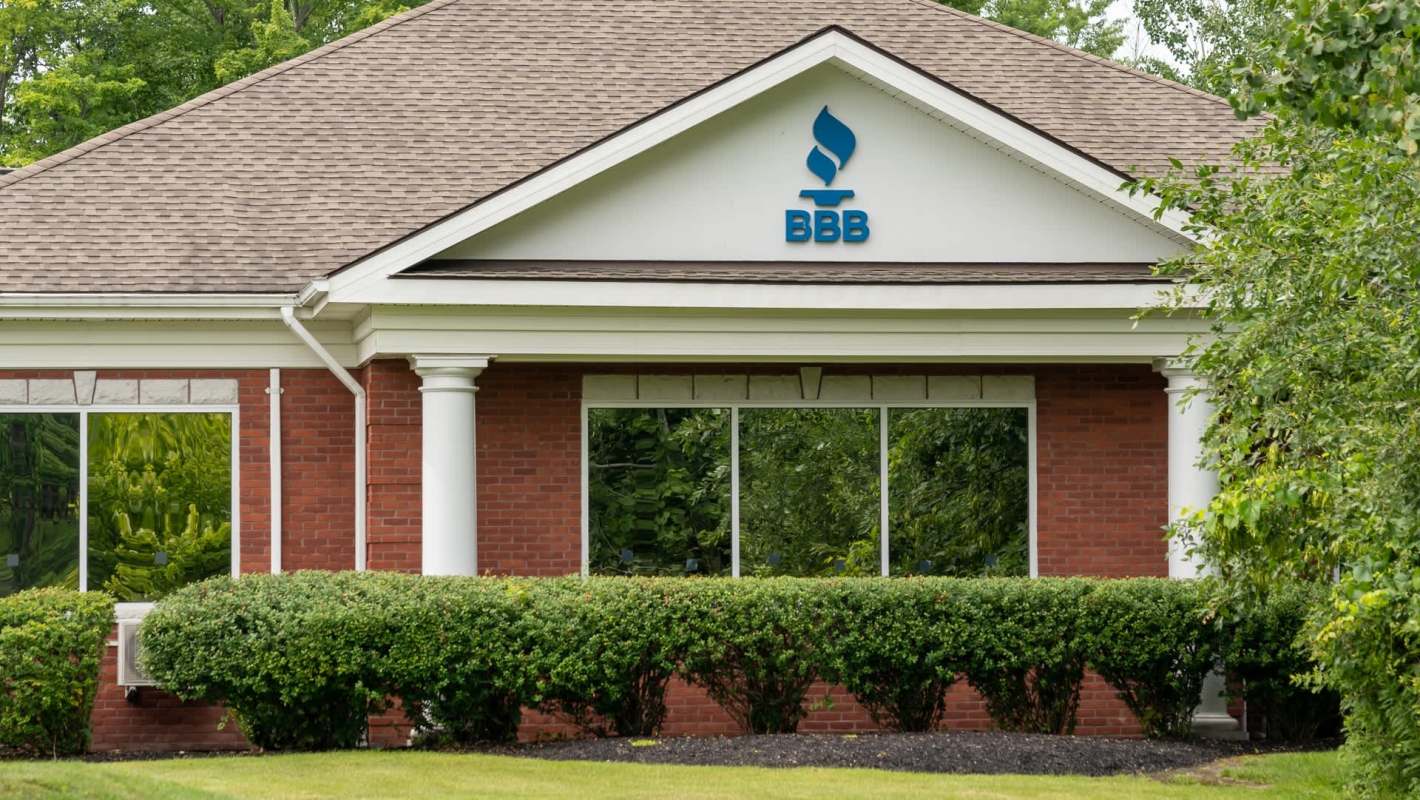
But according to the Better Business Bureau, it is also the start of what consumer advocates call "spring scam season," Scripps News reported.
"We see an influx in people hiring contractors or hiring home service businesses," said Meghan Conradt, director of foundation with the BBB. "And unfortunately, sometimes we'll also see an influx in complaints or experiences that aren't great with hiring professionals to work on your home."
One of the simplest ways to reduce the risk of being scammed is to avoid paying too much money upfront.
According to the BBB, homeowners should never pay more than 25% of a project's cost before work begins.
If a contractor asks for a large deposit immediately, experts say that should be a warning sign and a reason to slow down and ask more questions.
TCD Picks » Quince Spotlight
💡These best-sellers from Quince deliver affordable, sustainable luxury for all




"Once they take off, it can be really hard to get that money back," Conradt said. "You could take them to court. It's just that that process tends to be really long and drawn out, and we often do not see people get restitution through that."
Keeping upfront payments small can help limit financial losses if a contractor disappears, repeatedly delays the project, or leaves behind poor-quality work.
"Make sure that you are obtaining the right documentation for businesses. So when you're looking to hire them, make sure that they are licensed, make sure that they have proof of insurance, make sure they've pulled a permit for the work that they're doing, if that's applicable," Conradt told Scripps News.
Another important step is checking references from recent customers rather than relying on online reviews or advertisements.
The BBB says all major details should be documented in writing before work starts. That includes the project scope, payment schedule, expected timeline, proof of insurance, permit details, and warranty information.
If problems arise later, contracts, receipts, photos, and texts or email records can make it easier to report suspected fraud, pursue legal action, or seek help through consumer protection programs such as the BBB's Restoring Trust initiative.
The benefits of these precautions go beyond protecting money alone.
Clear contracts and verified credentials can help homeowners avoid months of stress tied to unfinished projects, damaged property, or legal disputes.
They can also prevent waste. When home repairs are completed correctly the first time, homeowners are less likely to deal with unnecessary demolition, discarded materials, or follow-up visits that send additional debris to landfills.
"It's imperative to do your homework before the project starts," Conradt said. "Because once you're in that situation where they've compromised your project or done substandard work on the house, that's where we just see it turning into a really big legal mess."

Get TCD's free newsletters for easy tips, smart advice, and a chance to earn $5,000 toward home upgrades. To see more stories like this one, change your Google preferences here.







