


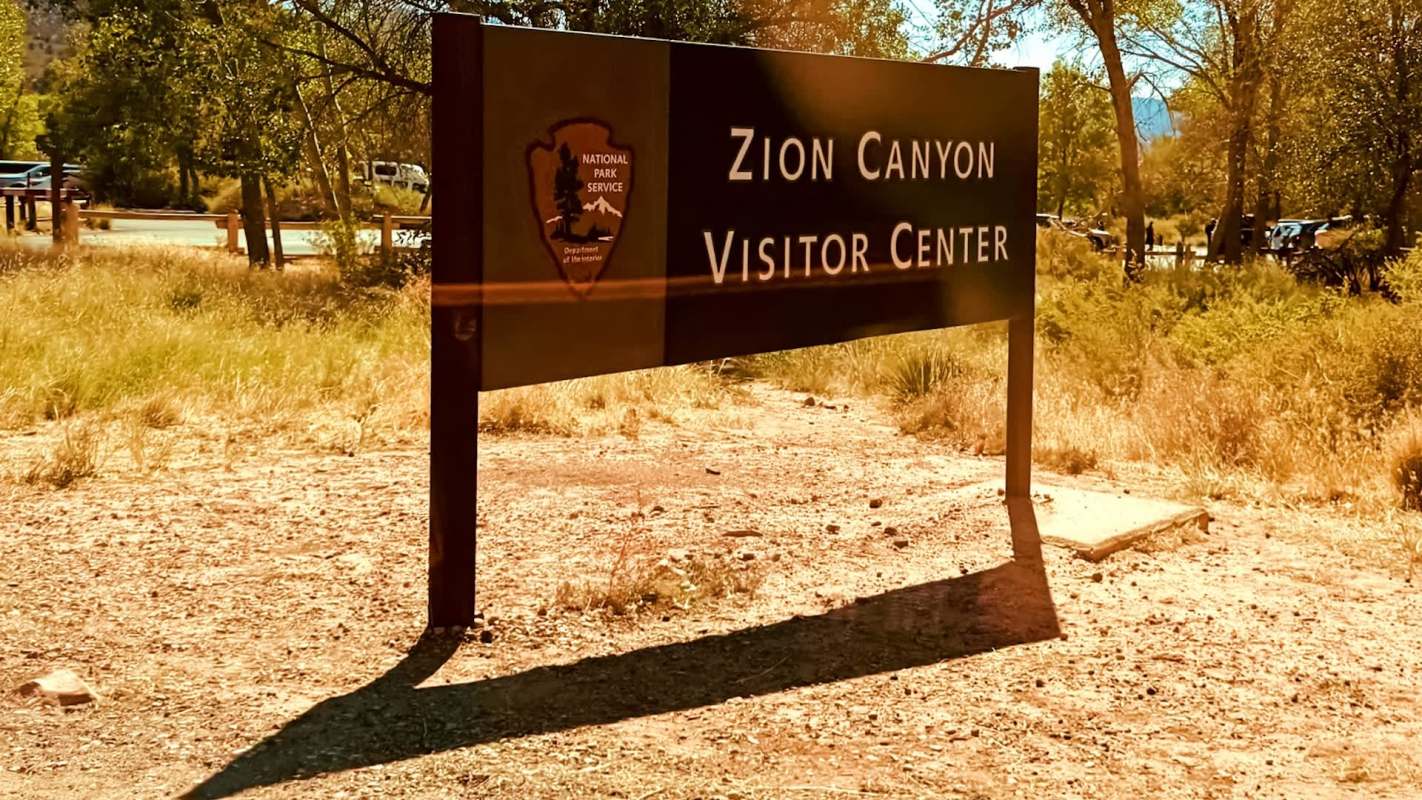
A popular free way to stay near Zion National Park is about to get a lot harder to find.
The Bureau of Land Management has approved a plan that would largely end dispersed camping along the State Route 9 corridor, limiting free overnight options for the millions of people who visit the area each year.
On March 23, the BLM announced it would move forward with the SR9 Campground Management Project in Washington County, Utah, along the main route into Zion National Park. The agency said the change is intended to address rising visitor demand and environmental damage linked to unmanaged camping.
That demand is huge.
According to Explore, Zion sees around 5 million visitors annually, with more than 500,000 arriving during the peak June and July period — or about 15,000 a day. The park has only three campgrounds with fewer than 300 sites, a shortage that has pushed many travelers toward free dispersed camping on nearby public land.
Under the new plan, dispersed camping, which had long been free, would no longer be allowed across nearly 1,400 acres of BLM land, with overnight use restricted to designated areas instead. That would leave about 30 designated dispersed sites instead of 56, along with two proposed campgrounds — Flagstone Quarry with 150 sites and Gooseberry Mesa with 80 — according to Explore.
TCD Picks » Quince Spotlight
💡These best-sellers from Quince deliver affordable, sustainable luxury for all




The closures would affect areas such as Hurricane Cliffs Recreation Area, the Gooseberry Mesa National Recreation Trail, the Canaan Mountain Wilderness, and the Smithsonian Butte National Back Country Byway.
For many families, road-trippers, and budget-conscious visitors, dispersed camping has been one of the last flexible and affordable ways to experience public land near Zion without booking months ahead or paying steep nightly fees.
Camping inside Zion can cost roughly $35 to $130 per night, and reservations often fill up well in advance. Cutting free camping options could make one of the country's most iconic landscapes less accessible to people with tighter budgets, making it harder to move toward a future where public lands are truly available to everyone, not just visitors who can afford rising travel costs.
At the same time, the BLM says the land is under real strain.
Agency monitoring found issues such as compacted soil, damaged vegetation, litter, fire rings, and improper human waste disposal near vulnerable water sources, according to Explore. The policy is responding to a legitimate environmental problem — but critics argue it could simply shift overcrowding elsewhere if the promised replacements are delayed or never built.
The BLM says it is trying to balance access and conservation by concentrating recreation in areas better equipped to handle it. The project includes the two proposed campgrounds, plus a limited set of designated dispersed sites, new trailheads, and space for event staging.
If funded, the new campgrounds would include basic infrastructure such as toilet facilities, trash containers, fencing, prepared tent areas, picnic tables, and shade shelters, according to Explore. But that funding is not yet secured, which is a major source of concern for opponents who note that every lost campsite is immediate while any replacement remains uncertain.
For travelers planning a Zion trip, the practical takeaway is to prepare well in advance and more carefully. Booking developed sites ahead of time, and researching paid alternatives, such as a budget-friendly RV park near Zion, may help reduce surprises. Visitors can also help protect access by following Leave No Trace practices wherever camping is still allowed.
"We're seeing more people than ever drawn to the stunning landscapes along the SR-9 corridor. Projects like this strike the right balance, giving visitors quality places to camp and explore while protecting the land that makes this area so special in the first place," St. George Field Office Manager Jason West said in the BLM announcement.

Get TCD's free newsletters for easy tips, smart advice, and a chance to earn $5,000 toward home upgrades. To see more stories like this one, change your Google preferences here.






