


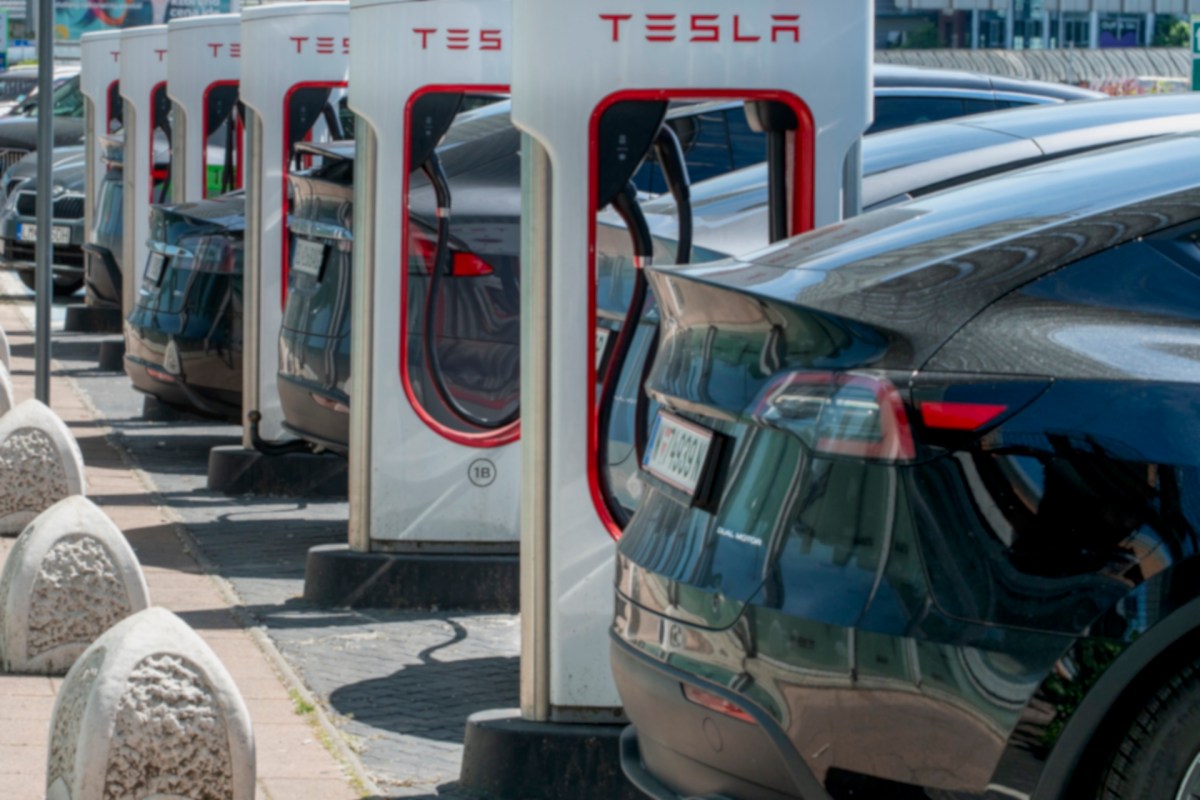
Tesla is testing a virtual waitlist at five busy Supercharger stations, giving electric vehicle drivers a way to line up in the Tesla app instead of circling a packed site or trying to figure out which driver got there first.
According to initial reports from Electrek, the pilot program follows a viral video showing Tesla owners fighting at a crowded charging station, highlighting how stressful public charging can be when every stall is full.
What's happening?
Tesla's charging team said on the social platform X that a virtual queuing pilot is now live at five locations in California and New York.
When drivers arrive at a full Supercharger site, they can join a digital line through the Tesla app.
The goal, according to an announcement from Tesla, is to improve the customer experience for the roughly 1% of charging users who experience wait time.
"Wider rollout this year if feedback is positive. We also continue to expand the network 20%+ year-over-year, closely tracking site-level demand," it said.
TCD Picks » Quince Spotlight
💡These best-sellers from Quince deliver affordable, sustainable luxury for all




Why is it important?
For drivers, the biggest benefit is straightforward: less confusion at crowded chargers.
A visible queue could reduce arguments over who is next, make short waits easier to plan around, and help charging stops feel more predictable. That matters especially in high-traffic areas such as the Bay Area and New York City, where demand can spike quickly.
It could also make a difference for people who rely more heavily on public charging, including apartment residents, road-trippers, and ride-hailing drivers.
Anything that makes charging more accessible can help make EV ownership feel less intimidating for newcomers. Public charging is only one part of owning an EV, but it is also one of the most visible pain points when stations are busy. A smoother experience could help more drivers feel comfortable choosing vehicles that do not produce tailpipe pollution.
What can you do about public charging issues?
Charging an EV at home is significantly cheaper than using public charging stations, often translating to hundreds of dollars in annual savings depending on driving habits and local electricity rates. With a Level 2 home charger, drivers can consistently take advantage of lower residential energy prices and avoid the higher costs associated with fast public charging.
For homeowners interested in making the switch, Qmerit helps simplify the process of installing Level 2 EV chargers by providing free, instant installation estimates and connecting users with qualified installers.
Installing solar panels can also dramatically increase the savings associated with EV ownership, since charging with your own solar energy is typically cheaper than relying on public charging stations or even standard grid electricity rates. Together, solar and home charging create a powerful combination for lowering long-term transportation costs.
For homeowners exploring this option, EnergySage makes it simple to receive and compare quotes from vetted solar installers, helping users find competitive pricing and save on solar installations.

Get TCD's free newsletters for easy tips, smart advice, and a chance to earn $5,000 toward home upgrades. To see more stories like this one, change your Google preferences here.






