


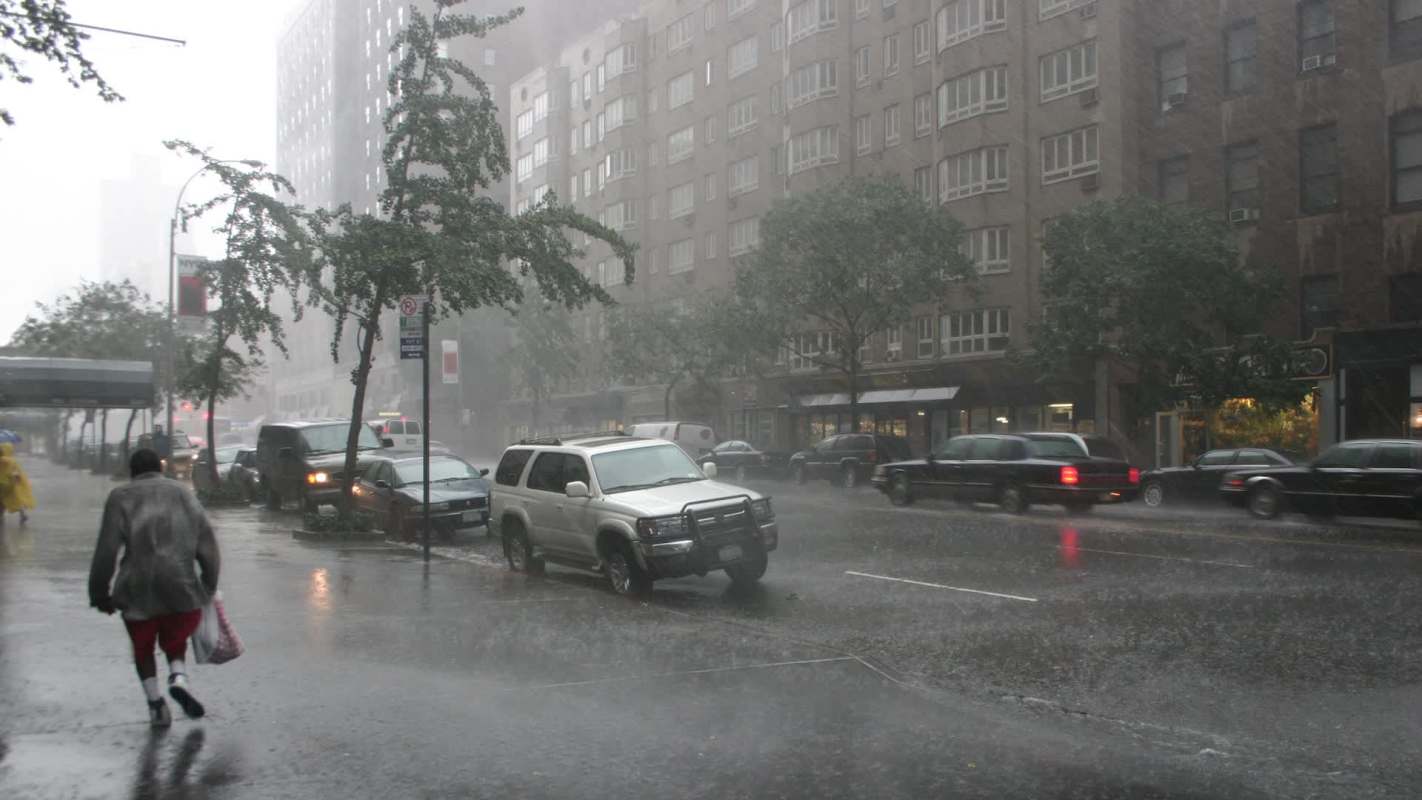
Extreme weather is a growing financial threat to companies around the world. But are they doing enough to mitigate the risk?
A new analysis from CDP, the global environmental disclosure nonprofit, found that while only 35% of companies identified extreme weather as a material financial risk, businesses still disclosed nearly $3 billion in real losses in 2025. The analysis now expects a staggering $898 billion in future impacts.
What is extreme weather risk?
Extreme weather risk is the possibility that severe climate-related events (like floods, heavy rain, cyclones, heat waves, and drought) will disrupt business operations, damage assets, increase costs, and reduce profits.
In practice, that can look like factories shutting down after floods, supply chains delayed by heavy rain, buildings and equipment damaged by storms, or businesses paying more for insurance and repairs. CDP's findings suggest these are no longer distant or hypothetical threats. They are already showing up on balance sheets and in public budgets.
Why is paying attention to extreme weather risk important?
Extreme weather is no longer only an environmental concern. It's also already a business and economic problem.
CDP found that companies disclosed almost $3 billion in losses last year alone, with heavy rain responsible for about $1.5 billion of that total. Looking ahead, companies say future losses could approach $898 billion, with flooding, cyclones, and heavy rain leading the total, according to CDP.
TCD Picks » Quince Spotlight
💡These best-sellers from Quince deliver affordable, sustainable luxury for all




According to CDP, about 48% of those risks could hit within two years, putting them squarely inside today's planning and investment windows. At the same time, CDP said companies reported a median of about $39.4 million in risk exposure, versus roughly $3.1 million to reduce it. In other words, adaptation was nearly 13 times cheaper than absorbing the damage.
As Amir Sokolowski, CDP's global director of climate, put it: "Extreme weather is already a financial risk. It has a dangerous domino effect, disrupting operations, reducing production and driving losses today, with far greater impacts lying ahead."
How extreme weather affects consumers and communities
The effects of extreme weather risk don't stop at corporate earnings reports.
When extreme weather damages infrastructure, delays transportation and logistics, or reduces production, consumers can feel it through higher prices, insurance pressure, service disruptions, and shortages.
What can be done about the risk of extreme weather?
One of the clearest messages from the report is that adaptation is often far less expensive than waiting for losses to mount.
CDP said businesses should see extreme weather as a risk embedded in shared systems like infrastructure, utilities, and logistics networks, not just as damage to single assets. It also urged governments to publicly map where hazards, infrastructure weak points, and service disruptions intersect, which CDP said could make it easier to attract private resilience investment.
The report's message is straightforward. Making extreme weather risks visible and acting early could save money, protect communities, and help build a more resilient economy.

Get TCD's free newsletters for easy tips, smart advice, and a chance to earn $5,000 toward home upgrades. To see more stories like this one, change your Google preferences here.






