


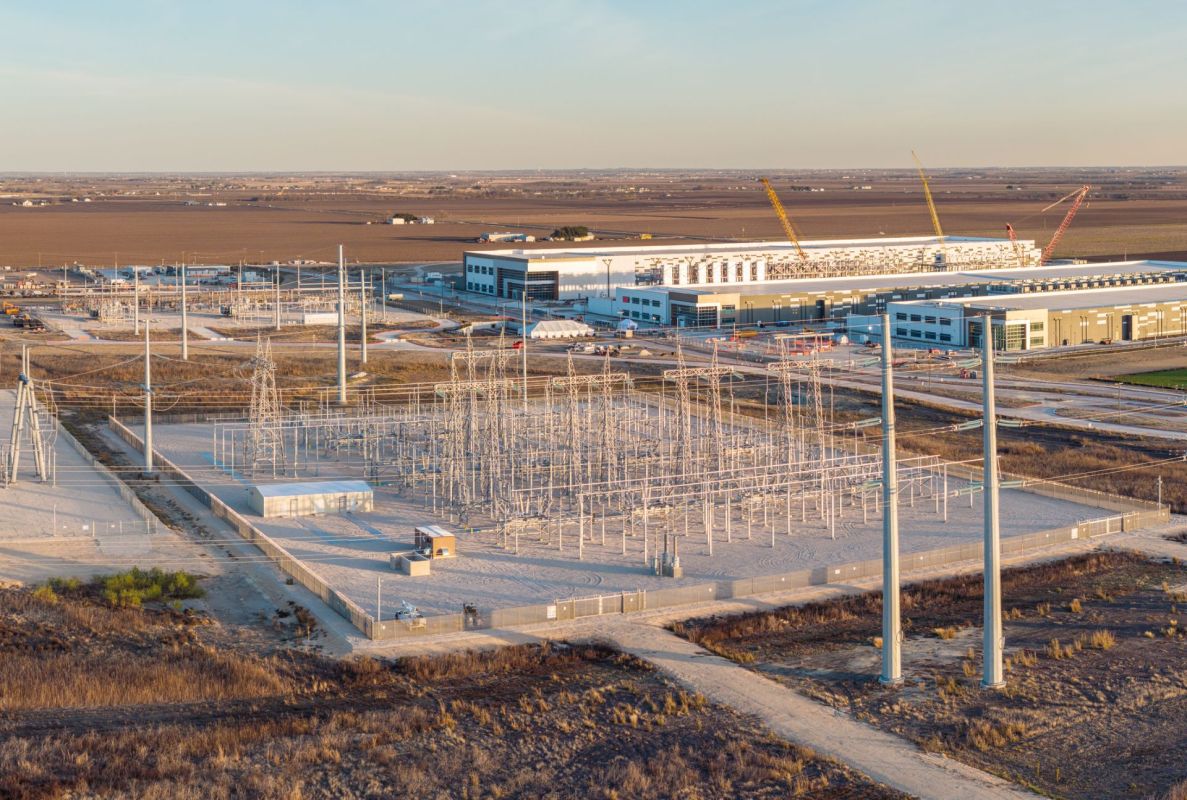
A rural Texas county is hitting pause on new data center construction after mounting concerns about what the industry's rapid expansion could mean for local residents, water supplies, and the electric grid.
In a closely divided vote Tuesday, Hill County approved a one-year halt on additional data center projects in unincorporated areas, according to The Texas Tribune.
The county, located roughly 55 miles south of Fort Worth, may be the first in Texas to adopt this kind of temporary moratorium.
What happened?
The decision followed complaints from residents and local officials about a proposed 300-acre project from Provident Data Centers in north Hillsboro.
Opponents warned that large facilities could create constant industrial noise while placing heavy demands on water and electricity infrastructure in a rural area that may not be equipped to handle them.
"The data center folks have found a sweet spot in the state that has limited regulations, limited enforcement, limited code, and they're coming faster than we can keep up with," said Hill County Commissioner Jim Holcomb, according to The Texas Tribune. "I think it's imperative … that we tap the brakes and we get our arms around what we're faced with and do the research, do the studies."
TCD Picks » Quince Spotlight
💡These best-sellers from Quince deliver affordable, sustainable luxury for all




County Judge Shane Brassell said the temporary halt is intended to give local leaders time to better understand the potential consequences before additional projects move forward.
Developers argued that data centers could bring tax revenue and help fund roads, schools, and local services. At the same time, county leaders were warned that imposing a moratorium could trigger legal challenges. County Attorney David Holmes told commissioners that either option carried risks.
"Our hope and prayer was that [state leaders] take that vote as not a sign of defiance of the law, but as a plea for help to get some regulations in place to help protect our citizens," said Holcomb.
Why is this concerning?
The debate unfolding in Hill County mirrors a much larger national conversation about AI infrastructure and energy demand.
Data centers are becoming central to the AI boom, making them as much an energy issue as a technology issue. Training and operating AI systems requires enormous computing power, which can translate into significant new electricity demand on grids that are already under strain.
Many facilities also require large amounts of water for cooling, especially in hotter climates like Texas. Residents in rural communities worry that rapid development could increase pressure on local water supplies, create reliability concerns for the electric grid, and potentially contribute to higher utility costs.
That does not mean AI is inherently harmful. AI tools can help utilities forecast energy demand, improve battery management, reduce waste, and optimize renewable energy systems such as wind and solar power.
Still, the infrastructure supporting AI can come with significant tradeoffs if projects move forward without clear safeguards or long-term planning.
What's being done about AI data centers?
For now, county officials say the one-year pause will create time to study the potential impacts on water use, electricity demand, emergency response capacity, noise levels, and long-term infrastructure costs.
As AI continues expanding, more communities will likely face the same difficult question now confronting Hill County: how to benefit from technological growth without allowing its physical footprint to overwhelm local resources.

Get TCD's free newsletters for easy tips, smart advice, and a chance to earn $5,000 toward home upgrades. To see more stories like this one, change your Google preferences here.






