


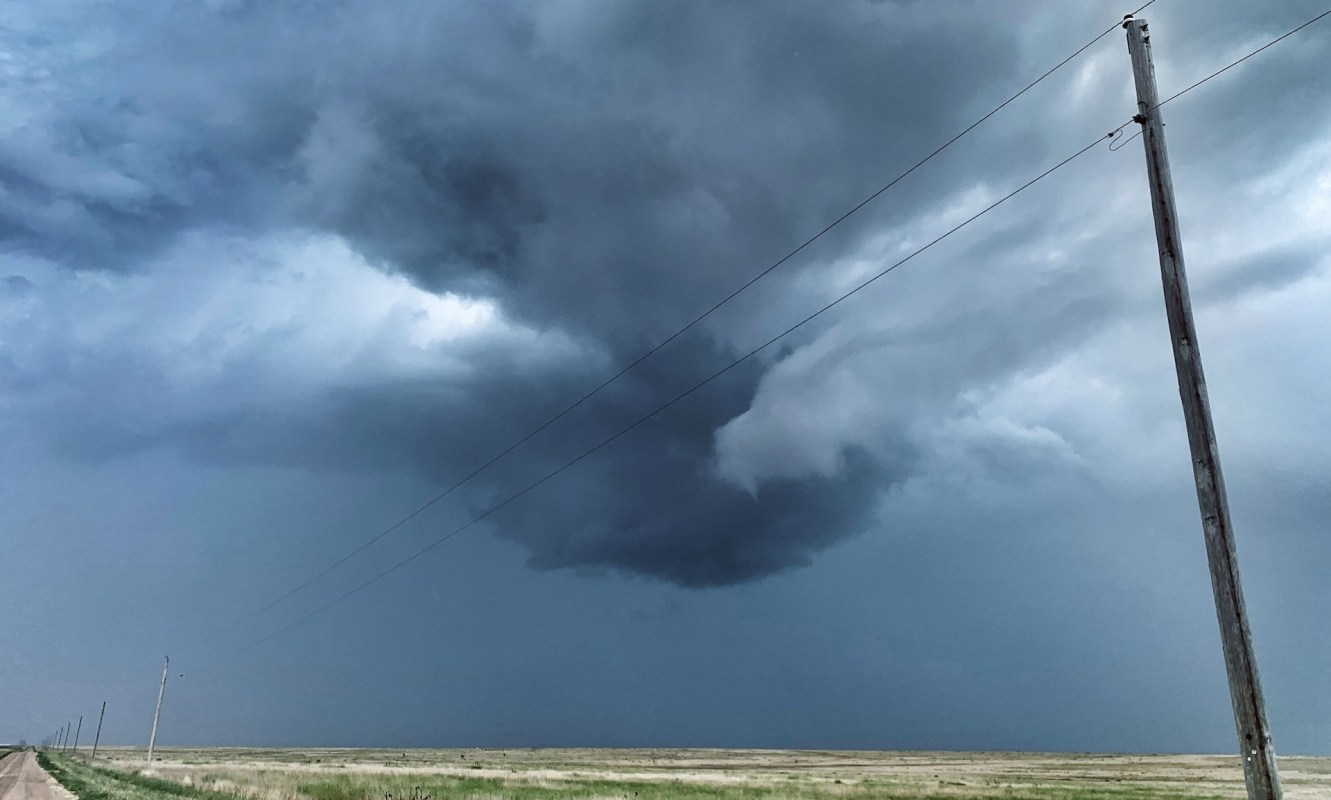
Missouri is already seeing an unusually active tornado year, offering an early sign of how quickly the Midwest's spring severe weather season is ramping up.
The state typically records about 40 tornadoes in a full year. But by early May 2026, Missouri had already logged 41 — after topping that annual average in each of the last three years.
What's happening?
A stretch of unusually warm weather appears to be helping drive the early surge.
Missouri state climatologist Zachary Leasor told KCUR that temperatures in March and April were well above normal, which helped jump-start the severe weather season earlier than usual.
"The two months combined have been about seven degrees above our average," Leasor said. "What that's done is that's opened up our severe weather season a little bit earlier. Warmer temperatures tend to lead to stormier weather in the spring."
Even with 41 tornadoes already reported, 2026 is still behind 2025, when Missouri had reached 75 tornadoes by early May and went on to become one of the busiest tornado years in state history. And because May is typically one of Missouri's most active months for tornadoes, this year's total could still rise quickly.
TCD Picks » Quince Spotlight
💡These best-sellers from Quince deliver affordable, sustainable luxury for all




There is one small piece of good news: According to KCUR, every Missouri tornado reported so far this year has received an EF0 or EF1 rating, which means estimated winds stayed under 110 mph. Leasor described them as "relatively weak tornadoes."
That said, the danger is still real. Missouri residents are already familiar with spring storms that bring destructive hail, damaging winds, and sudden tornado warnings. According to KCUR's interview with Leasor, severe weather generally accounts for roughly half of Missouri's total costs from dangerous weather and climate hazards.
Why is this concerning?
Worsening extreme weather disasters can threaten both lives and livelihoods. Tornadoes, hail, and high winds can destroy homes, damage schools and hospitals, block transportation routes, interrupt access to care, and force families out of work as repairs drag on.
The financial impact can also be staggering. Missouri regularly experiences severe weather outbreaks that cause billions of dollars in damage, putting pressure on household budgets, insurance systems, and local economies.
There are also concerns about forecasting blind spots. Leasor said some parts of Missouri are far from National Weather Service radar coverage, which KCUR reported can make storm rotation and precipitation harder to detect and measure. Those gaps can affect warnings and storm verification.
Scientists are still working to determine exactly how much tornado frequency is changing from year to year. But one thing is becoming increasingly clear: Rising global temperatures are helping create conditions that can fuel earlier and stronger spring storm systems.
What's being done about tornado risk?
Leasor told KCUR that residents should know how they'll receive forecasts — whether through local meteorologists or the National Weather Service — and have a plan for what to do when severe weather occurs.
Families can also review safe shelter locations, make sure emergency alerts are turned on, and prepare basic supplies in case a storm develops quickly.
On a broader level, better forecasting depends on continued investment in radar, weather models, local observations, and trained forecasters and emergency managers. Leasor noted that radar coverage gaps have already been identified, and efforts are underway to address them.

Get TCD's free newsletters for easy tips, smart advice, and a chance to earn $5,000 toward home upgrades. To see more stories like this one, change your Google preferences here.







