


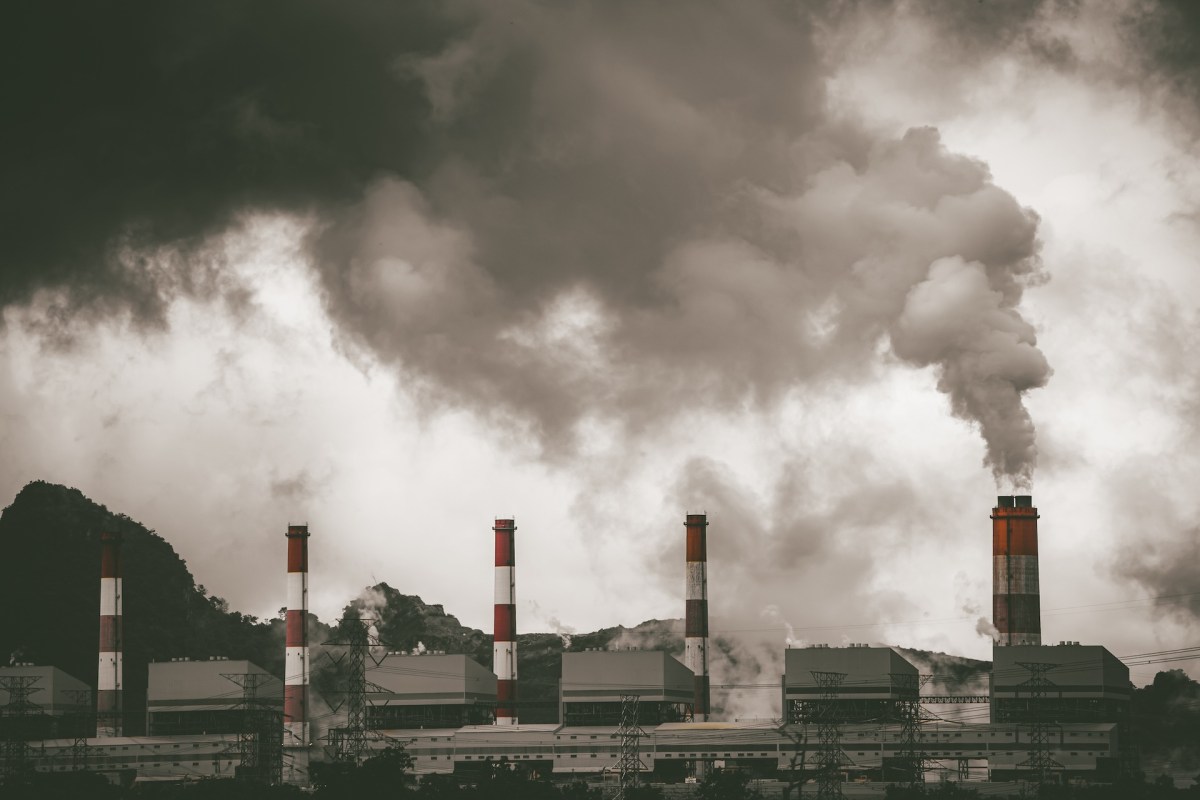
Coal-fired power plants in the United States released more mercury into the air in 2025, reversing a yearslong decline in one of the nation's most dangerous industrial pollutants.
According to a New York Times analysis of Environmental Protection Agency data, mercury pollution from coal plants rose about 9% from the previous year and topped 4,800 pounds as utilities burned more coal to meet growing electricity demand.
What's happening?
After generally declining since 2018, mercury pollution from coal plants rebounded last year.
The Times reported that coal-burning power plants released more than 400 additional pounds of mercury in 2025 compared with 2024. Experts told the paper that a combination of rising electricity demand — including demand from power-intensive data centers — and volatile gas prices led utilities to lean more heavily on coal.
At the same time, the Trump administration has taken several steps that could keep harmful carbon pollution higher for longer. The Times said those actions include promoting more coal use, stopping tougher mercury rules that were supposed to begin by 2027, reopening federal land to mining, and forcing some plants to stay open past their planned shutdowns.
One example in the report was Michigan's J.H. Campbell plant, which was supposed to be retired in 2025 but instead kept operating after receiving orders from the Energy Department, releasing 36 pounds of mercury between June and December.
TCD Picks » Quince Spotlight
💡These best-sellers from Quince deliver affordable, sustainable luxury for all




Some of the sharpest increases came from older plants. Indiana's Rockport Generating Station, for example, went from 28 pounds of mercury released in 2024 to 73 pounds in 2025 as electricity generation climbed significantly.
Health experts say that is deeply concerning. "A tiny amount of mercury goes a long way," Lynn R. Goldman, a pediatrician and professor of environmental and occupational health, told the Times. Amanda Levin of the Natural Resources Defense Council said the increase adds to evidence that the administration's effort to revive coal "is making us sicker."
Why is coal-plant mercury pollution important?
Mercury is a powerful neurotoxin. Once it enters the air, it can settle into lakes, rivers, and oceans, where it accumulates in the food chain, especially in fish. In other words, pollution released from a smokestack can potentially end up on people's plates.
In adults, mercury exposure has been associated with cardiovascular harm. For fetuses, infants, and children, the risks are even more serious, including impaired brain development, developmental delays, learning difficulties, and permanent IQ loss.
The increase is especially troubling because the United States had already demonstrated that this pollution could be cut dramatically. As the Times noted, after the Environmental Protection Agency first regulated mercury from coal plants in 2012, power-sector pollution fell by about 86% over the next five years, according to the agency.

Get TCD's free newsletters for easy tips, smart advice, and a chance to earn $5,000 toward home upgrades. To see more stories like this one, change your Google preferences here.






