


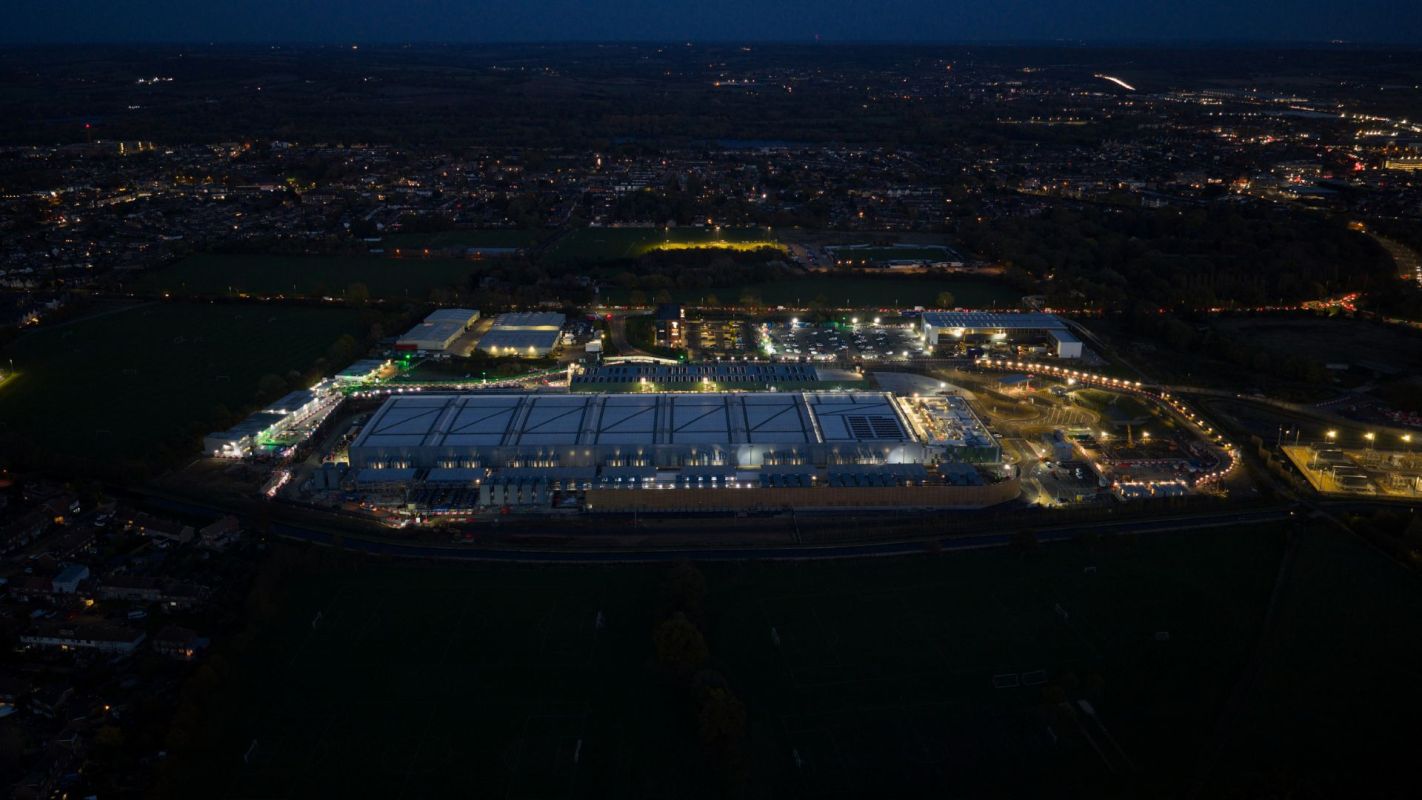
Data centers are emerging as some of the country's least welcomed new neighbors, with a new Gallup survey finding that Americans overwhelmingly do not want the facilities built near their homes.
The Washington Post reported Gallup's spring survey of 1,000 U.S. adults found that 70% of Americans said they were against a data center being built where they live, with nearly half describing that opposition as strong.
The people surveyed said they'd be more at ease living by a nuclear power plant than by a data center. And considering that nuclear plants nearby typically lower property values and demand unless the town also lowers property taxes by equal measure to offset it, the picture of problems caused by data centers is growing and growing.
Gallup warns the public resistance poses a serious barrier to expanding AI computing and could trigger local organizing and court fights.
The findings align with other recent polling, including an April Washington Post-Schar School survey of Virginia voters that found 59% opposed having a data center in their area. That was a sharp shift from 2023, when the same survey found fewer than 1 in 4 Virginia voters saying so.
Residents' concerns are already influencing local politics.
TCD Picks » Quince Spotlight
💡These best-sellers from Quince deliver affordable, sustainable luxury for all




In some communities, lawmakers have paused or blocked large projects, and officials who backed data center expansion have been punished by voters.
In places such as Archbald, Pennsylvania, the same reporting described opposition to huge proposed campuses as so intense that local leadership changed hands.
A key driver of the backlash is the sheer amount of electricity and water many data centers consume.
These facilities operate around the clock, powering servers and cooling systems that support cloud computing and, increasingly, artificial intelligence tools.
Gallup found that 70% of Americans worry about the environmental effects of data centers, while about half of opponents specifically cited concern about outsized use of resources such as water.
Training and running AI models can require enormous computing power, which means greater electricity demand. If that growth is poorly managed, communities could face higher utility bills, strained local resources.
As companies race to build more AI infrastructure, conflicts over where to place data centers are likely to intensify. Communities are increasingly making clear that its infrastructure cannot expand at any cost.

Get TCD's free newsletters for easy tips, smart advice, and a chance to earn $5,000 toward home upgrades. To see more stories like this one, change your Google preferences here.






