


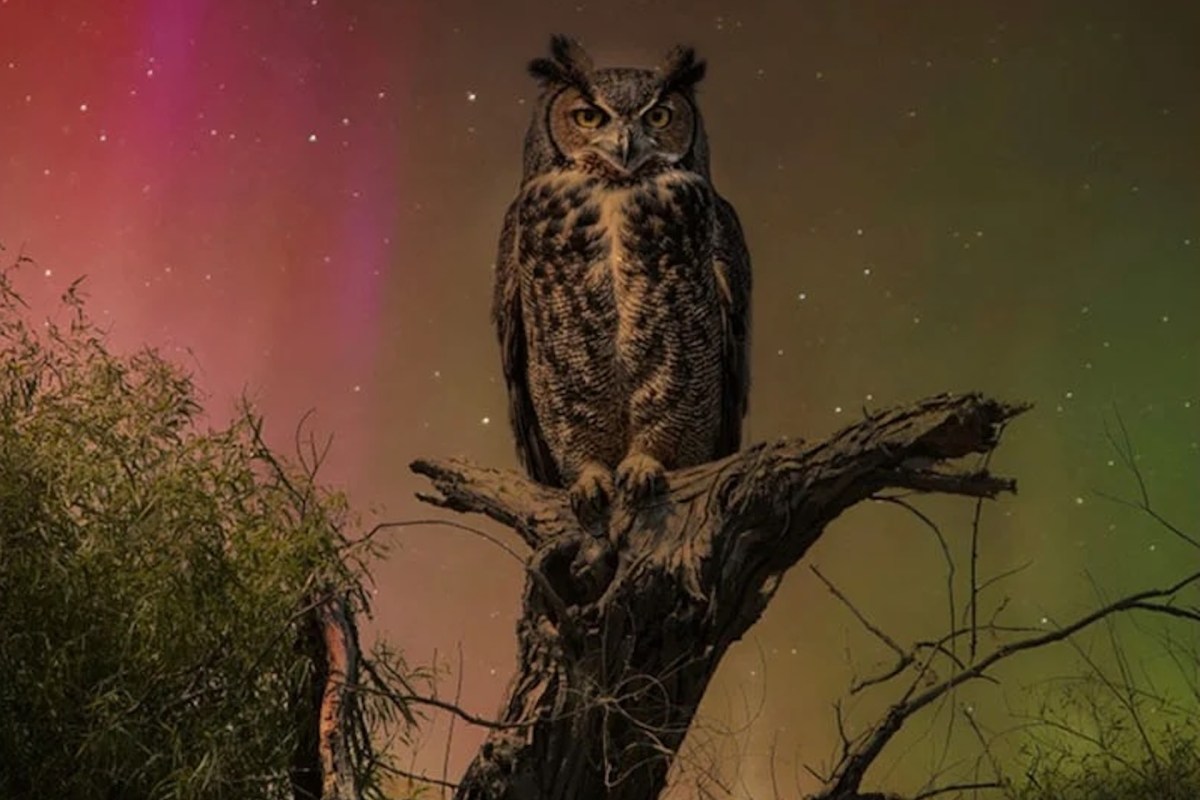
A dramatic owl photo that was named the grand-prize winner of the National Wildlife Federation's Garden for Wildlife Photo Contest was disqualified after photographers across social media questioned whether it was AI-generated.
The reversal underscores a growing challenge: as AI-generated imagery becomes more convincing, wildlife organizations, contest judges, and the public are being forced to rethink how they determine what is authentic.
What happened?
The NWF announced the winners of the contest on Instagram and X, including a striking nighttime image of a great horned owl perched beneath a vivid, aurora-lit sky. But instead of admiration, the post drew criticism, according to PetaPixel.
The Winners of the 2025 Garden for Wildlife Photo Contest are here! 📸🏆
— National Wildlife Federation (@NWF) April 27, 2026
From majestic owls to silly nesting sites, these photos have it all! See the 2025 Garden for Wildlife Photo Contest winners 📲: https://t.co/xesyd21BwD pic.twitter.com/6xFf8Yyki5
Photographers argued that the image did not look plausible. Some said it appeared to be generated by artificial intelligence. Others said that even if it was real, it still seemed to be a composite — something that would also violate the contest's rules. According to PetaPixel, entries were required to be single, camera-made digital images, not composites or AI-generated creations.
"So we're supposed to believe that the grand prize winner had red auroras in Pawhuska, Oklahoma in June 2025?! Auroras strong enough for a single exposure shot where the owl isn't moving at all," photographer Liz Tran said on Instagram, per PetaPixel.
Another photographer said the image simply did not add up as a single exposure, while others argued that the federation should have requested original files before awarding the top prize.
TCD Picks » Quince Spotlight
💡These best-sellers from Quince deliver affordable, sustainable luxury for all




The backlash intensified after the organization responded to comments with puns, including one remark that there was "No AI here, just T(Al)ented photographers!" which many people viewed as dismissive.
Why is this concerning?
The issue goes well beyond a single contest result. Nature photography helps people connect with wildlife and build appreciation for the natural world. When a misleading image wins a major competition, it can undermine trust in the system — especially for photographers who followed the rules and paid to enter.
It also highlights broader ethical concerns around AI. AI can also be used to create deceptive media, spread misinformation, and erode trust in areas that depend on authenticity.
In wildlife photography, that risk is especially important because fake or manipulated images can distort public understanding of animal behavior, habitats, and even what is physically possible.
"Photo contests can be a breeding ground [for] bad morals and ethics of which nature pays the price," Nikon ambassador Jenny Wong told PetaPixel.
What's being done about this?
The NWF reversed its decision, removed the original winner, Kellie Carter, issued an apology, and elevated the runner-up, Nicole Land, to the $1,000 grand-prize status. It also said it plans to update its review process to reduce the chances of similar problems in future contests.
In an Instagram update, the group said that the photo of the owl was disqualified after an investigation because it was a composite and was removed from the post.
That kind of accountability matters, and in this case, public scrutiny appears to have played a major role. Experienced photographers, wildlife experts, and everyday commenters raised concerns, and those concerns were eventually taken seriously.
The photography community may not be able to prevent every future controversy. But this episode shows that scrutiny, transparency, and stronger standards can still help protect the integrity of wildlife storytelling.

Get TCD's free newsletters for easy tips, smart advice, and a chance to earn $5,000 toward home upgrades. To see more stories like this one, change your Google preferences here.






