


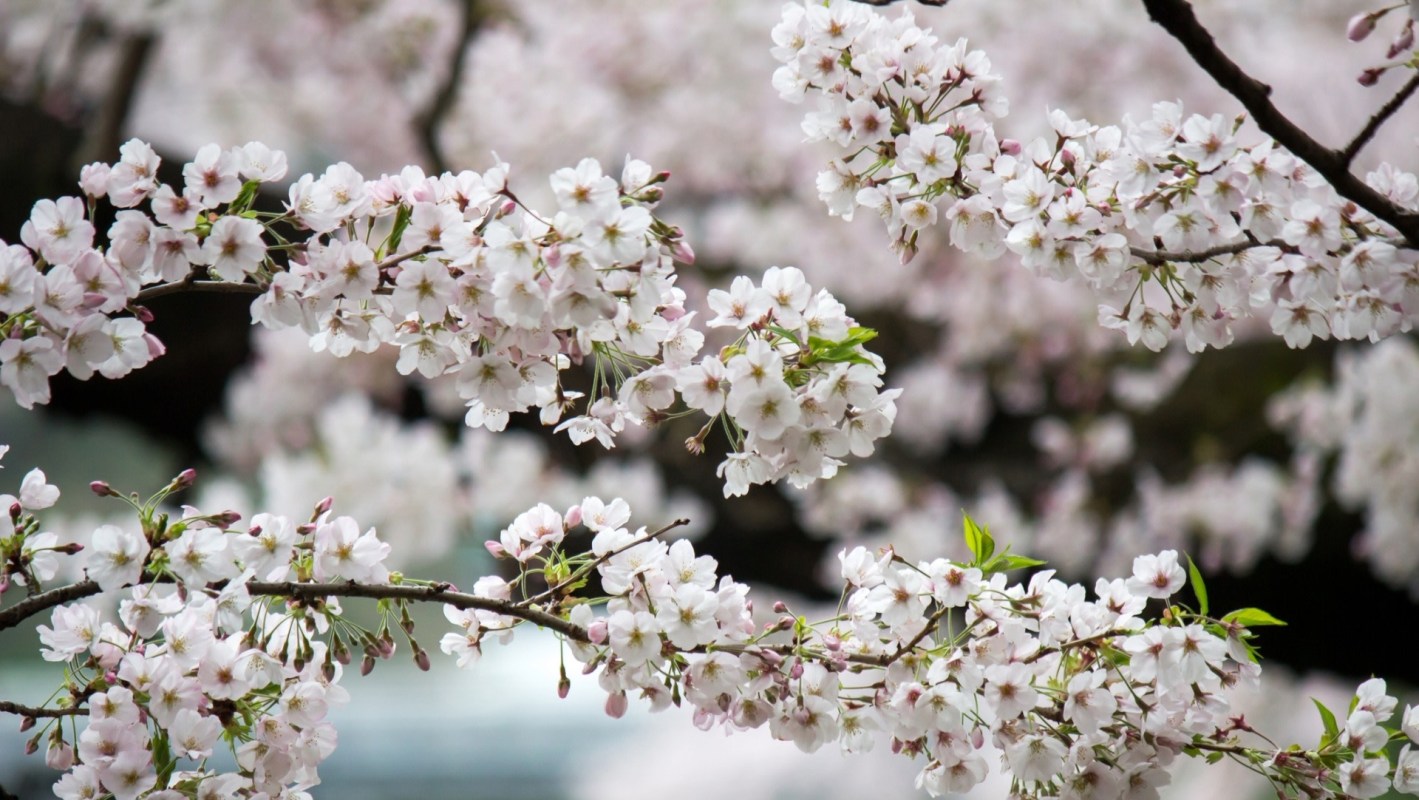
A major new analysis of flowering plants suggests an alarming amount of their evolutionary history could be lost for good. Researchers say over one-fifth of angiosperms — the enormous group of plants that includes many trees, crops, shrubs, and wildflowers — is at risk of extinction, putting species that support ecosystems and human communities in danger.
What's happening?
According to Phys.org, the study — led by researchers from the Royal Botanic Gardens, Kew; Zoological Society of London; and Boise State University — revealed the first global assessment of extinction risk across the flowering plant tree of life.
Using a tool called EDGE, which stands for evolutionarily distinct and globally endangered, the team evaluated all 335,497 known flowering plant species. The approach measured two things at once: how threatened a species is and how genetically isolated it is from others.
The findings were striking. Phys.org noted extinction risk affects 21.2% of angiosperm evolutionary history. It also highlighted 9,945 EDGE species as high priorities, roughly 3% of known flowering plant species. According to the researchers, that portion of threatened evolutionary history is nearly twice what had been reported for jawed vertebrates.
The plants highest on the list are not simply rare. Many occupy long, isolated branches of the tree of life, meaning their disappearance would wipe out unusually large amounts of evolutionary history. Study lead Félix Forest said the rankings can help draw attention to "irreplaceable and threatened species" that often go unnoticed.
The source article said only about 20% of flowering plants had formal IUCN Red List assessments at the time of the study, so the team used computer modeling to estimate the risk facing species that had not yet been assessed.
TCD Picks » Quince Spotlight
💡These best-sellers from Quince deliver affordable, sustainable luxury for all




Among the most concerning findings, several EDGE-listed plants were already classified as extinct in the wild, meaning they survive only in cultivation, seed banks, or botanical collections.
Why are flowering plants important?
Flowering plants are essential to life on Earth and to everyday human life. They feed communities, support pollinators, stabilize soil, filter water, provide medicines and raw materials, and form the foundation of many habitats.
When one of these highly distinct plants disappears, the loss can erase millions of years of unique evolutionary history that cannot be recovered. That has consequences for the future of agriculture, medicine, and ecosystem resilience.
For communities, the impact is both ecological and practical. Wild plant diversity gives researchers and growers a broader pool of traits that could help crops withstand pests, disease, drought, and shifting environmental conditions. Rare native plants can also carry cultural significance, connecting people to landscapes, traditions, and local biodiversity.
If these species continue to disappear, progress toward a healthier, more resilient future becomes harder for everyone. Ecosystems grow less stable, recovery from environmental stress gets more difficult, and opportunities for future discoveries in food and medicine decline.
What's being done about flowering plants?
The study also points to a possible way forward. According to researchers, conserving the top 5.9% of species by EDGE ranking could retain half of flowering plants' threatened evolutionary history. In other words, targeted conservation efforts could make an outsize difference.
Kew is already using the EDGE framework to inform decisions about its living plant collections. Meanwhile, Boise State researchers are working to make the findings more accessible through the Flora of the World platform, which will combine threat data with records showing where species have been found in the wild.
That kind of open data could help conservationists respond more quickly, whether through seed banking, habitat protection, botanical garden partnerships, or field surveys, for species that may be disappearing without notice.
People can also play a role by supporting organizations that protect native habitats, botanic gardens, seed banks, and plant conservation programs. Planting native species in yards and community spaces can strengthen ecosystems and support pollinators, while backing land protections can reduce pressure on already vulnerable plants.
The study's message is sobering but not hopeless: Scientists now have a much clearer picture of which flowering plants need urgent attention first.

Get TCD's free newsletters for easy tips, smart advice, and a chance to earn $5,000 toward home upgrades. To see more stories like this one, change your Google preferences here.







