


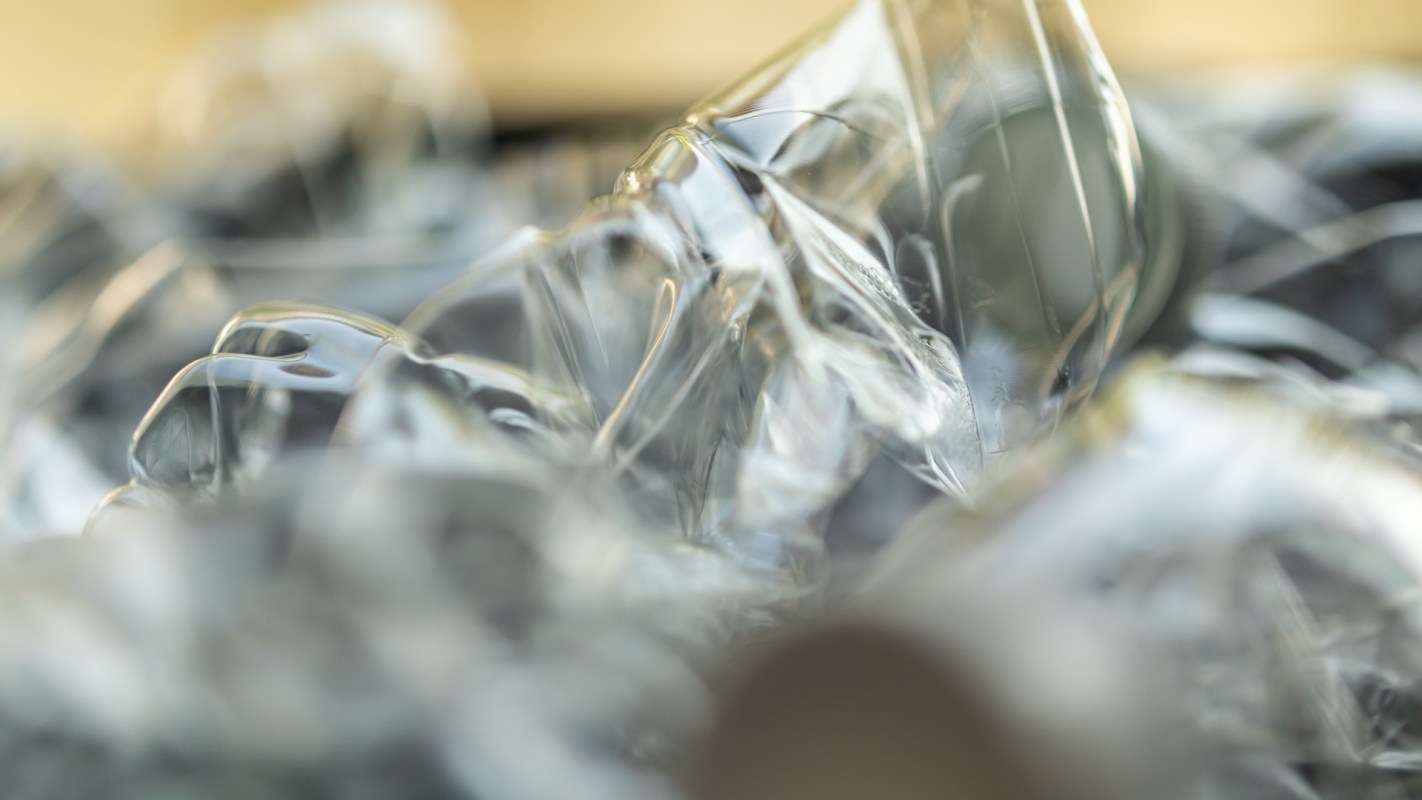
A new kind of "living plastic" developed by scientists in China could help address how some materials last far longer than the products they make up.
Instead of lingering for years, this plastic can be triggered to break down. Researchers say it does so without leaving behind microplastics, according to The Independent.
What's happening?
In a study published in ACS Applied Polymer Materials, researchers described a plastic embedded with dormant microbes that someone can activate on command to destroy the material from within.
The team engineered two strains of Bacillus subtilis, a common bacterium, so that each one produces a different plastic-degrading enzyme. One enzyme cuts the polymer into shorter segments. The other breaks those fragments into basic building blocks, per The Independent.
The microbes were added in spore form to polycaprolactone, a plastic used in some 3D printing applications and surgical sutures. When the material was exposed to nutrient broth at 50 degrees Celsius (122 degrees Fahrenheit), the spores switched on, and the plastic degraded almost entirely within six days.
"By embedding these microbes, plastics could effectively 'come alive' and self-destruct on command, turning durability from a problem into a programmable feature," said study author Zhuojun Dai of the Shenzhen Institute of Synthetic Biology.
TCD Picks » Quince Spotlight
💡These best-sellers from Quince deliver affordable, sustainable luxury for all




Why does "living plastic" matter?
Companies design a large share of today's plastic for brief use, such as packaging and other disposable items. But the waste can remain in landfills and ecosystems for years. That mismatch is a major reason plastic pollution has become such a persistent global problem.
This new material stands out because it appears to avoid one of the biggest concerns associated with plastic degradation: microplastics. If research teams create scalable solutions, that could mean less long-term contamination where people live, work, and get their food and water.
There is also a practical advantage. A plastic that remains stable while it is useful, but can later be switched into breakdown mode, could make waste management simpler for certain products and industries.
For consumers, that creates a future where convenience doesn't automatically come with more lasting pollution. This shift could support public health, cleanup efforts, and peace of mind.
What's next?
The researchers improved on earlier "living plastic" designs by using a two-microbe system rather than relying on a single enzyme. According to the study, that cooperative setup made degradation much more efficient.
The work used polycaprolactone under controlled conditions, but the team is already examining what comes next. They plan to develop a trigger that can work in aquatic environments, where much plastic waste eventually ends up, The Independent reported.
They also want to adapt the strategy for additional plastics, including materials used in disposable products. If that happens, the technology could eventually open the door to smarter packaging and materials that are easier to manage at the end of their life.
While scientists continue that work, people can still reduce plastic waste today by reusing products when possible. Exploring plastic-free options only when you absolutely need something new can also help.

Get TCD's free newsletters for easy tips, smart advice, and a chance to earn $5,000 toward home upgrades. To see more stories like this one, change your Google preferences here.






