


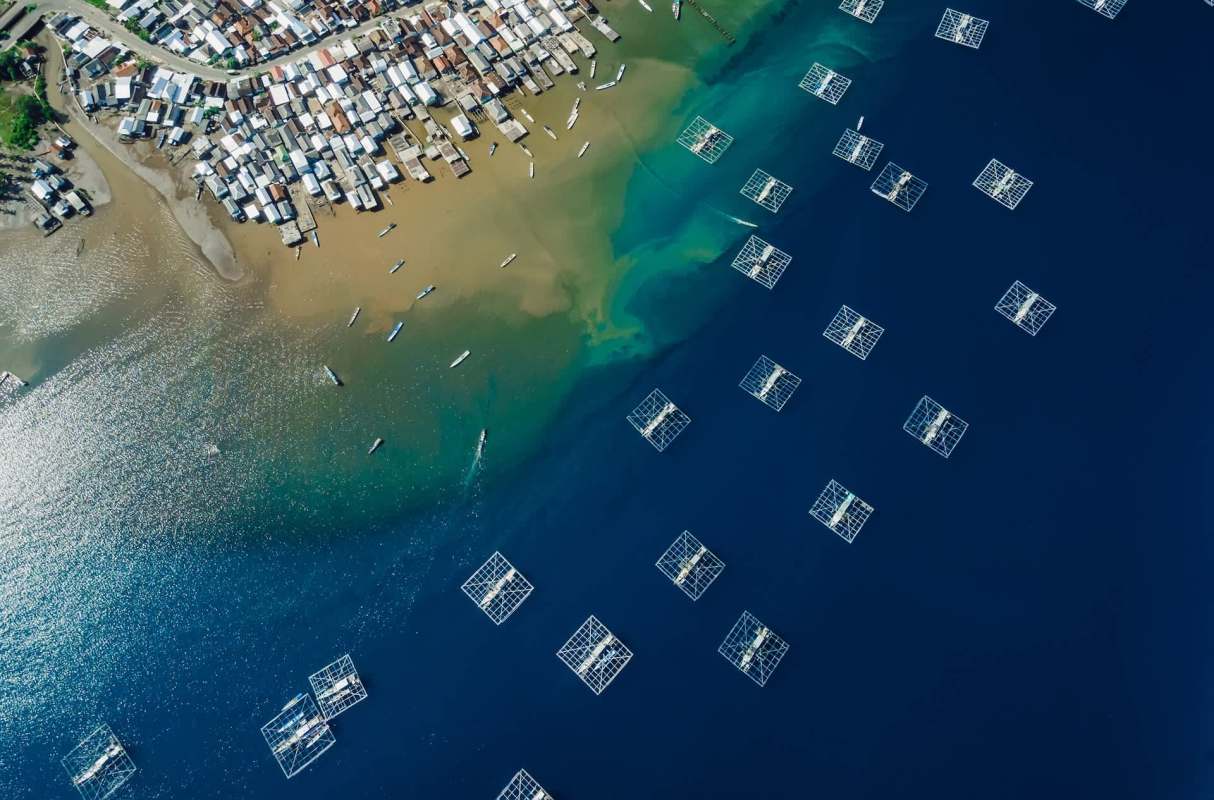
A growing international alliance of small-scale fishers is making the case for blue justice instead of a blue economy. It's a concept that aims to create a more people-centered future for the world's oceans.
Institutions such as the World Bank define the blue economy as the sustainable use of ocean resources for jobs, livelihoods, and economic growth.
But many fishers argue the term has become so expansive that it can also be used to legitimize projects that degrade local waters and displace the very people who depend on them, Mongabay reported.
The debate is becoming more urgent as the blue economy gains momentum around the world. The phrase now appears everywhere from international summits to national policy agendas.
According to Mongabay, the United Nations Ocean Conference in June 2025 reportedly drew roughly 8.7 billion euros, or about $10 billion, for Monaco's blue economy. The investments would help fund projects such as port decarbonization, ecosystem restoration, ocean energy, and biotechnology.
But fishers and advocates told Mongabay that projects promoted under the blue economy banner can carry serious trade-offs on the ground.
TCD Picks » Quince Spotlight
💡These best-sellers from Quince deliver affordable, sustainable luxury for all




In Kenya, for instance, a new fishing port in Shimoni was celebrated as part of the country's blue economy strategy. But local residents said the project may already be hurting small-scale fishing, seaweed farming, ecotourism, and coral restoration work.
In Colombia's Gulf of Morrosquillo, fisher leader Julián Medina Salgado said maritime transport and oil-related activity have brought spills and disruptions that make it harder for communities to safely earn a living from the sea.
"I feel that the phrase is something they invented to sound appealing, so that when you hear 'blue economy' you'll think it's something that is working in favor of our oceans," he told Mongabay. "Nevertheless, those of us who live off the sea and spend time at sea, which is our work and ancestral territory, have seen that the blue economy has actually displaced us."
Groups in Africa, Latin America, and elsewhere are increasingly organizing across borders, sharing strategies, and rallying around what they call "blue justice." It's an approach to ocean governance that centers human rights and marine tenure rights, per Mongabay.
Advocacy groups aren't accepting a top-down model of development. They instead demand one that protects both marine life and the people who have cared for those waters for generations.
This kind of organizing could pay dividends for both people and the planet.
For families in coastal areas, stronger community rights can mean more secure incomes and safer access to fishing grounds. They can also help people band together to prevent displacement by industrial development or tourist development.
For the environment, advocates say a justice-based approach could reduce pollution and runoff and bolster resistance to extractive projects that threaten biodiversity.
One policy idea drawing increased attention is marine tenure rights, including territorial use rights in fisheries, or TURFs, which give local groups long-term rights to manage specific areas.
Another option is the creation of inshore exclusion zones that keep industrial fishing farther from shore. This could give small-scale fishers a better chance to thrive.
If governments take those warnings seriously, the growing blue justice movement could help shape a future in which economic opportunity goes hand in hand with long-term environmental health and ocean restoration.

Get TCD's free newsletters for easy tips, smart advice, and a chance to earn $5,000 toward home upgrades. To see more stories like this one, change your Google preferences here.







