


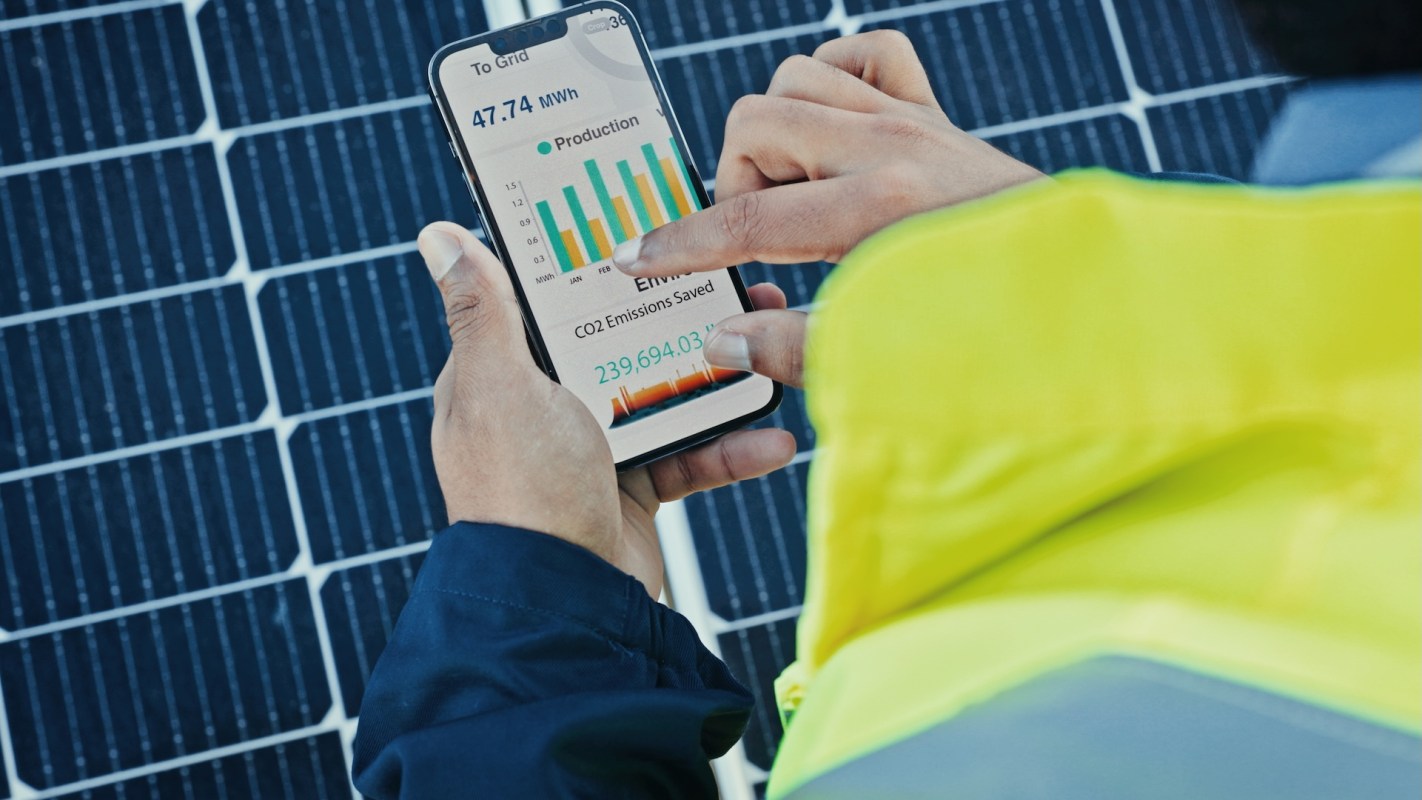
Smartphone cameras may be doing more for the world than originally thought. Now, in parts of the U.S., they're helping to speed up solar panel approvals by turning long, in-person inspections into fast virtual reviews.
That shift could make home solar cheaper and easier to install at a time when many households are looking for relief from rising utility bills and energy inflation.
A growing number of local governments are allowing remote virtual inspections for rooftop solar, home battery backup, and other electrification projects.
So, instead of waiting for inspectors to arrive, technicians can simply use smartphones to capture images of key equipment, including electrical panels, meters, disconnect switches, and wiring, before sending pictures back to local officials for review.
Canary Media spoke with a solar inspector from Pima County, Arizona. Chaz Weatherford told the outlet that the process can shrink approvals from hours to minutes. After installers submit photos and videos, they often quickly receive emails saying whether the jobs passed or need to be fixed.
Advocates have said that faster approvals and easier permitting can help reduce solar installation costs and remove barriers, which remain high in the U.S. compared to many other countries.
TCD Picks » Quince Spotlight
💡These best-sellers from Quince deliver affordable, sustainable luxury for all




As of May 2026, six states have considered, or are considering, bills that would reform solar permitting, potentially helping streamline solar projects. In Maryland, Governor Wes Moore is expected to soon sign a bill that would do just that.
The introduction of bills advocating for faster permitting of solar projects coincides with the explosion of statewide efforts to legalize balcony solar panels for residents as well. Both efforts could lower the barriers to entry in the clean energy space, helping residents to lower their electricity bills and reduce installation costs.
Delays in permitting and inspections can add up for everyone involved. But the use of phone cameras for virtual inspections can reduce costs by over $30,000, according to the Interstate Renewable Energy Council.
Those savings can ripple outward. Faster approvals mean homeowners can start generating electricity sooner, which can lower monthly power bills more quickly. That is especially important as energy costs climb.
Even though federal support for rooftop solar has weakened after the government eliminated the tax credits in 2025, these virtual inspections are a tool to help solar industry flourish.

Get TCD's free newsletters for easy tips, smart advice, and a chance to earn $5,000 toward home upgrades. To see more stories like this one, change your Google preferences here.






