


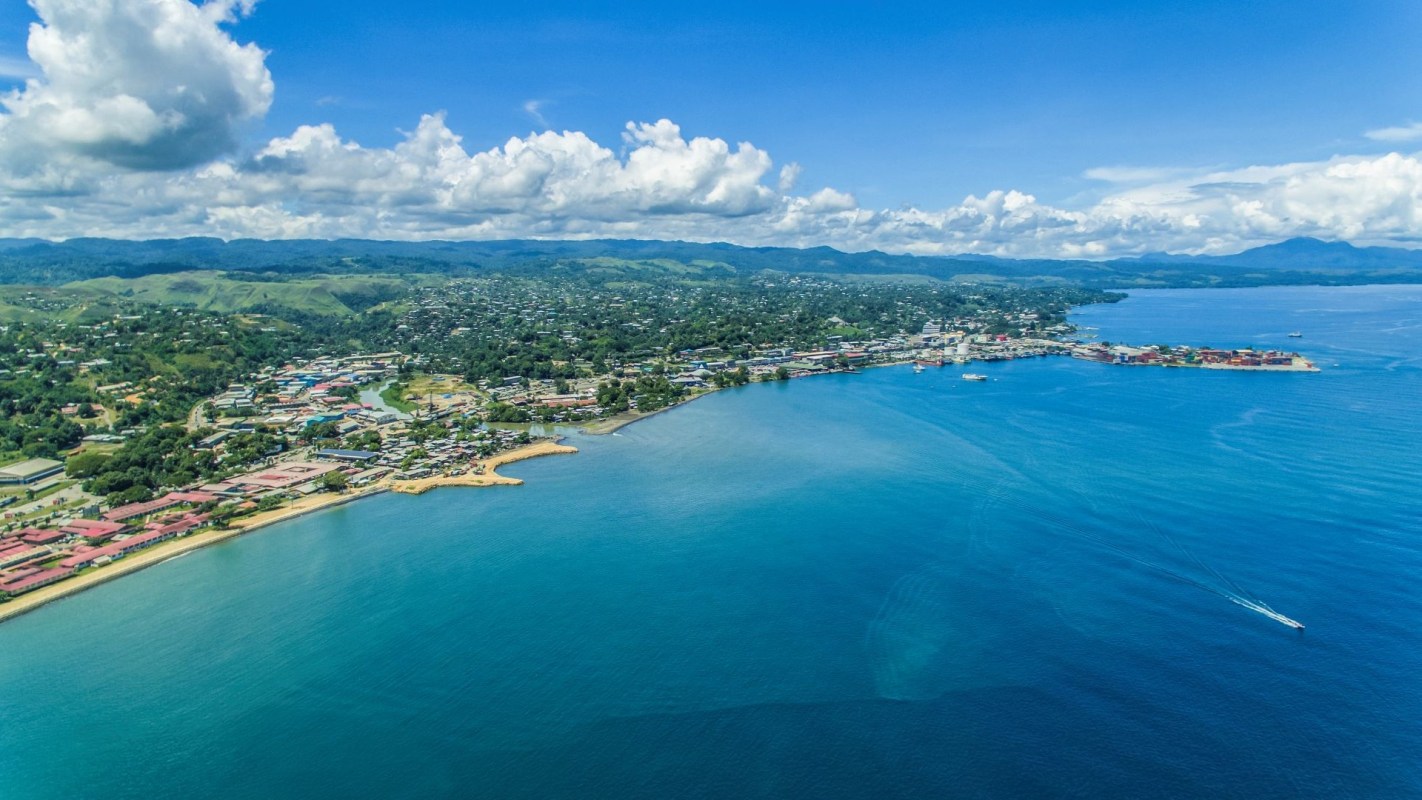
The Solomon Islands has said climate-related damage driven by rising global temperatures and extreme weather is costing the country about $79 million every year — a staggering toll equal to nearly 9% of its annual GDP.
For a small island nation already on the front lines of sea-level rise, stronger storms, and other environmental shocks, officials have pointed to issues facing families, livelihoods, public services, and the country's ability to build a safer future.
What's happening?
According to the Pacific Islands News Association, government data shared during the Solomon Islands National Loss and Damage Media Training found that climate-linked losses are draining about $79 million from the country annually.
David Hiriasia, permanent secretary of the Ministry of Environment, Climate Change, Disaster Management and Meteorology, told journalists the issue should not be treated as a distant or abstract problem.
"Today is not just another workshop, but it is a call to action," Hiriasia said. "For us in the Solomon Islands, and across the Pacific, climate change is not a theory; it is our lived reality."
A central focus of the training was "loss and damage," a term used in international climate negotiations to describe harms that occur when communities can no longer fully prevent or adapt to worsening conditions. That can include destroyed homes, damaged crops, lost income, forced displacement, and cultural losses that are far harder to quantify.
TCD Picks » Quince Spotlight
💡These best-sellers from Quince deliver affordable, sustainable luxury for all




Hiriasia said local media has an important role in making sure the world understands what communities are facing.
"The media has the power to transform statistics into human narratives, to amplify the voices of those on the frontline," he continued.
Why is this concerning?
Losing nearly 9% of GDP each year is a severe blow to any country, especially one with limited resources and growing climate exposure. For comparison, that would be similar to the U.S. spending around $3 trillion every year on climate-related damage.
Money lost to flooding, coastal erosion, storm recovery, damaged infrastructure, and disrupted agriculture cannot be invested in schools, clinics, roads, housing, or long-term economic growth.
That burden is felt most directly by ordinary people, including families rebuilding after disasters, coastal communities watching land disappear, fishers and farmers losing income, and younger generations inheriting a more unstable future.
The Solomon Islands is not alone. Across the Pacific, communities that contributed little to the carbon pollution that is heating the planet and spurring these extreme weather events are among those being hit first and hardest.
As seas rise and extreme weather grows more destructive, the losses are not only financial. Communities can lose burial grounds, ancestral land, and cultural ties, and these losses simply cannot be restored with funding.
What's being done about the Solomon Islands' losses?
The media workshop is part of a broader effort to ensure Pacific voices are heard in international debates over climate finance and accountability.
According to the Pacific Islands News Association, it came through collaboration between the Media Association of Solomon Islands and the Secretariat of the Pacific Regional Environment Programme, backed by the New Zealand government under the Loss and Damage Capability and Capacity project.
The effort is designed to help local journalists explain the issue clearly, elevate stories from frontline communities, and increase pressure on major polluters and wealthier countries to follow through on financial commitments.
The Solomon Islands and other Pacific nations are also continuing to push for better access to existing international loss-and-damage mechanisms, including the Santiago Network and the Fund for Responding to Loss and Damage.
For people outside the region, one meaningful way to help is to support policies that rapidly cut heat-trapping pollution and to back international financing for vulnerable countries already facing irreversible harm. Stronger clean energy policies, less dependence on coal, oil, and gas, and accountability for major polluters all matter.
Just as important is listening to frontline communities when they say this crisis is already here.

Get TCD's free newsletters for easy tips, smart advice, and a chance to earn $5,000 toward home upgrades. To see more stories like this one, change your Google preferences here.







