


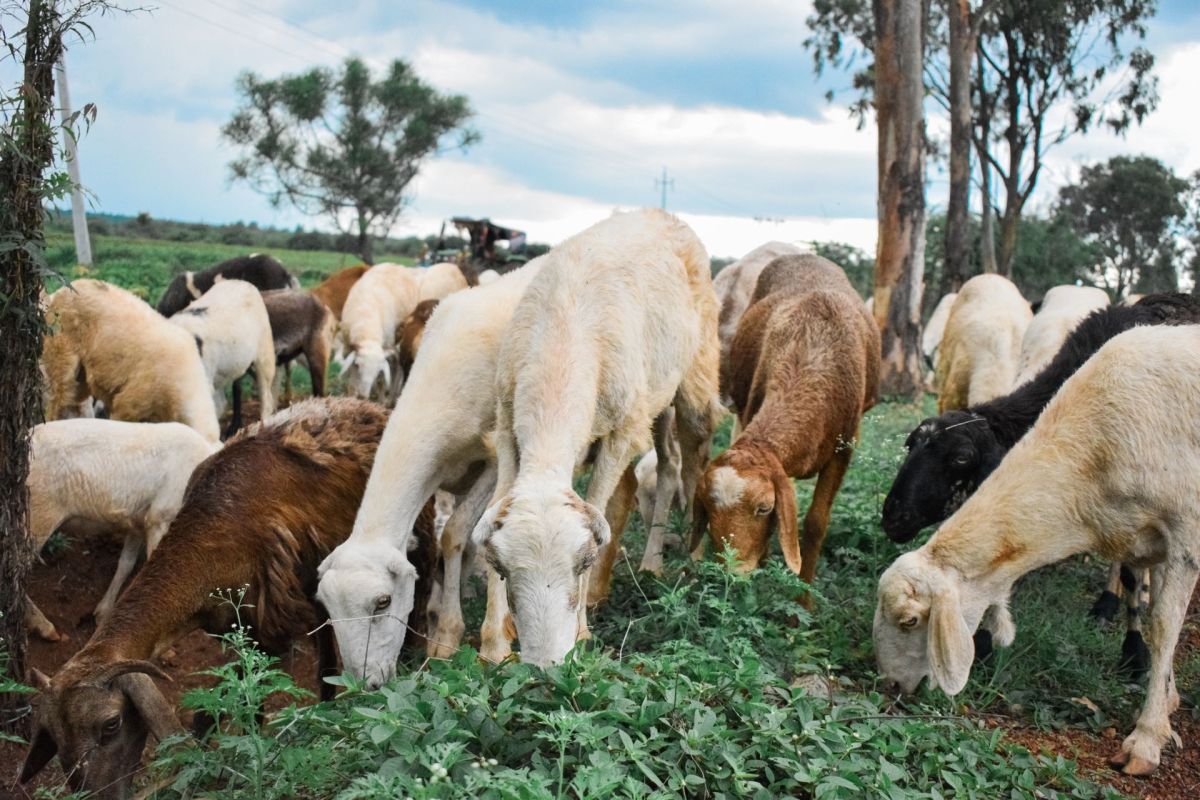
A flock of goats and sheep is helping turn an empty Honolulu lot into a safer, lower-risk space ahead of wildfire season, and neighbors are all in.
In Kaimukī, Oʻahu Grazers deployed 28 goats and 58 sheep to eat down overgrowth across more than 2,000 square yards of a 10,000-square-foot property in under three days, according to Honolulu Civil Beat.
Instead of noisy machinery and weed whackers, the suburban lot was trimmed the natural way, with the animals eating through grass, brush, and tougher woody plants as Hawaiʻi enters what forecasters say could be an especially fire-prone period.
It is a charming sight, but it also highlights a practical answer to a growing problem.
Known as prescribed grazing, the practice uses livestock to remove dry, flammable vegetation before it can fuel a fire.
In Hawaiʻi, that approach is drawing more attention after the devastating Maui fires in 2023 underscored the risks posed by unmanaged land.
TCD Picks » Quince Spotlight
💡These best-sellers from Quince deliver affordable, sustainable luxury for all




For homeowners and communities, grazing can help reduce fire fuel while reaching steep slopes and other hard-to-maintain areas that are difficult for crews and machines to handle.
That is especially relevant on Oʻahu, where wildfire risk remains high. East Oʻahu alone experienced hundreds of wildfires over a recent 10-year period.
The benefits also extend beyond fire prevention. Grazing is quieter than mechanical clearing, can cut down on fuel use, and often requires fewer workers.
The animals leave behind natural fertilizer as well, supporting soil health instead of stripping the land with heavy equipment.
In a dense urban neighborhood like Kaimukī, that means a vacant lot can be cleaned up in a way that feels less industrial and more closely tied to local agriculture.
Using both goats and sheep makes the effort even more effective. Goats typically graze tougher, woodier plants, while sheep focus more on grass, allowing the herd to clear a broader mix of vegetation.
Oʻahu Grazers has already brought the animals to other sites, including Waiʻalae Iki Neighborhood Park, and interest is growing among homeowners, neighborhood groups, and state agencies seeking help managing brush in steep areas and beneath power lines.
That demand reflects a broader shift in how communities think about resilience.
Rather than waiting until after a disaster to act, prescribed grazing gives neighborhoods a visible, proactive way to reduce wildfire risk before conditions get worse.
It also helps keep local livestock operations active, supports agricultural knowledge, and could strengthen Hawaiʻi's local food system over time as producers expand.
Of course, scaling up the practice comes with challenges, including transporting the animals and protecting them from theft, dogs, and other agricultural crimes. Even so, projects like this suggest many residents see the benefits as well worth it.
And in Kaimukī, the goats and sheep appear to have made a strong impression.
"It's a big hit with the neighbors because they've never seen goats in Kaimukī or Honolulu," Cy Harris told Honolulu Civil Beat.
Elizabeth Pickett, co-executive director of Hawaiʻi Wildfire Management Organization, told the outlet: "People in urban areas across the world love that they have goats and that natural, agricultural feeling right in urban environments. And it's for fire mitigation."

Get TCD's free newsletters for easy tips, smart advice, and a chance to earn $5,000 toward home upgrades. To see more stories like this one, change your Google preferences here.







