


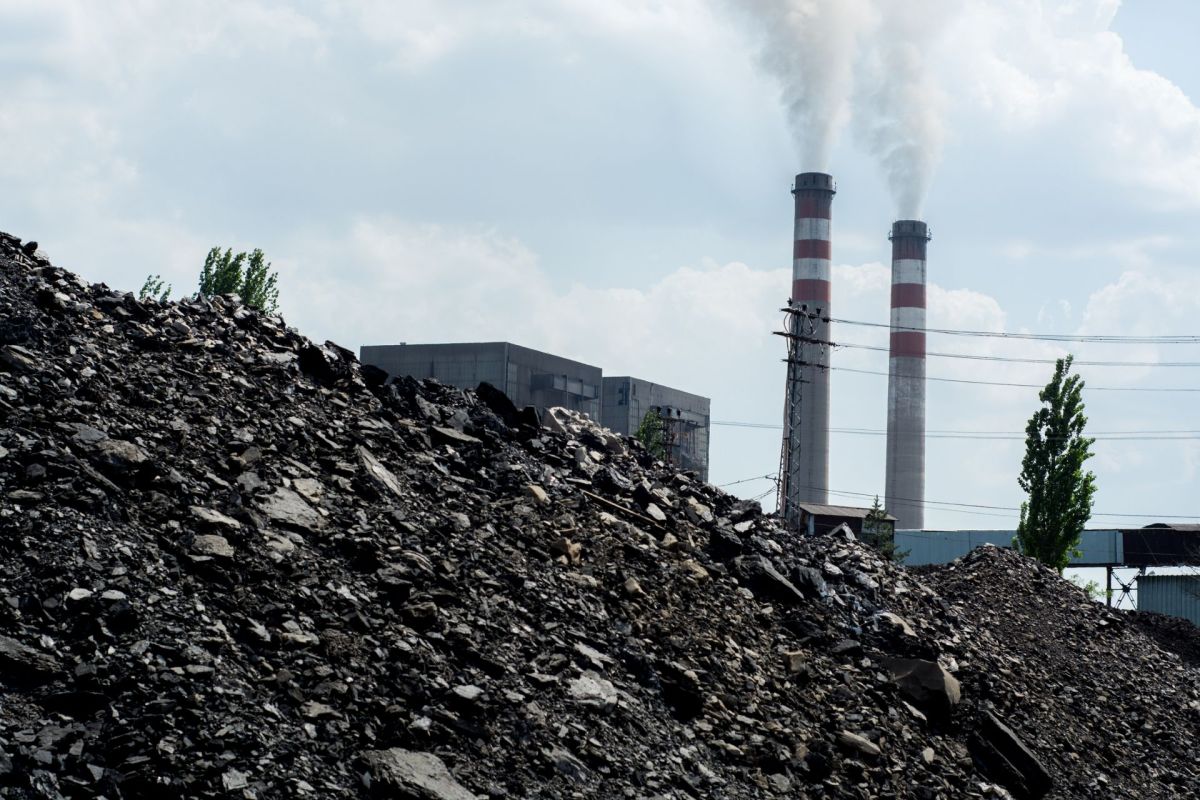
Keeping old coal plants online is becoming an increasingly pricey problem for Americans.
The cost of a federal policy that has delayed retirements of old coal plants and forced them to stay open is now topping $200 million, according to Straight Arrow News.
What's happening?
Beginning in May 2025, the U.S. Department of Energy has used 90-day emergency orders under the Federal Power Act to keep five coal plants in states from Michigan to Washington online after their planned retirement dates.
The agency has said the orders were needed to protect grid reliability during periods of high demand. But public filings show the costs may be adding up fast.
Michigan's J.H. Campbell Generating Plant, for example, was supposed to retire at the end of May 2025.
Over the next 10 months, keeping the plant online produced about $180 million in net losses, according to filings with the Securities and Exchange Commission cited by SAN.
TCD Picks » Quince Spotlight
💡These best-sellers from Quince deliver affordable, sustainable luxury for all




Seth Feaster of the Institute for Energy Economics and Financial Analysis told the news outlet the total cost of complying with the orders has now reached roughly $233 million. That figure includes about $18 million per month, plus another $4 million in staffing costs for each 90-day extension.
"I don't think there's any question that they're going to pass [the cost] on to ratepayers," Feaster told SAN. "They have every right to, because they're being ordered by the federal government to do this."
And J.H. Campbell is just one of several plants being kept open, according to the report.
If even more coal plants scheduled to retire before 2028 are subject to emergency orders, the total annual cost to ratepayers could exceed $3 billion, according to a 2025 report cited by SAN and commissioned by groups including the Sierra Club.
Why is it concerning?
Communities near these aging coal plants may be concerned for two reasons: Families could be forced to pay more for electricity, and communities may face longer exposure to some of the dirtiest power sources still connected to the grid.
Coal plants release air pollution that contributes to extreme weather already damaging homes, farms, businesses, and local economies. They also emit soot, heavy metals, and other contaminants tied to asthma, heart disease, cancer, and premature death.
At the same time, households may be left with higher energy bills. There is also growing concern that the policy is interfering with long-term energy planning.
Utilities and regional grid operators had already been preparing for these retirements and, in some cases, had lined up replacement resources. Critics say repeated emergency extensions create uncertainty, increase maintenance costs, and delay the implementation of newer, cleaner, and cheaper systems.
What's being done?
The most immediate pushback appears to be happening in court, where several states and environmental groups are challenging the policy.
Beyond the legal fight, the longer-term solution may be to speed up the buildout of cleaner and more reliable energy resources, including wind and solar energy infrastructure.
For everyday consumers, supporting policies that — and officials who — aim to expand clean energy and modernize the grid can help lower pollution and reduce long-term electricity costs.
If the current approach continues, Americans could end up paying hundreds of millions of dollars more to keep old coal plants on life support, even as cleaner alternatives become increasingly available.

Get TCD's free newsletters for easy tips, smart advice, and a chance to earn $5,000 toward home upgrades. To see more stories like this one, change your Google preferences here.






