


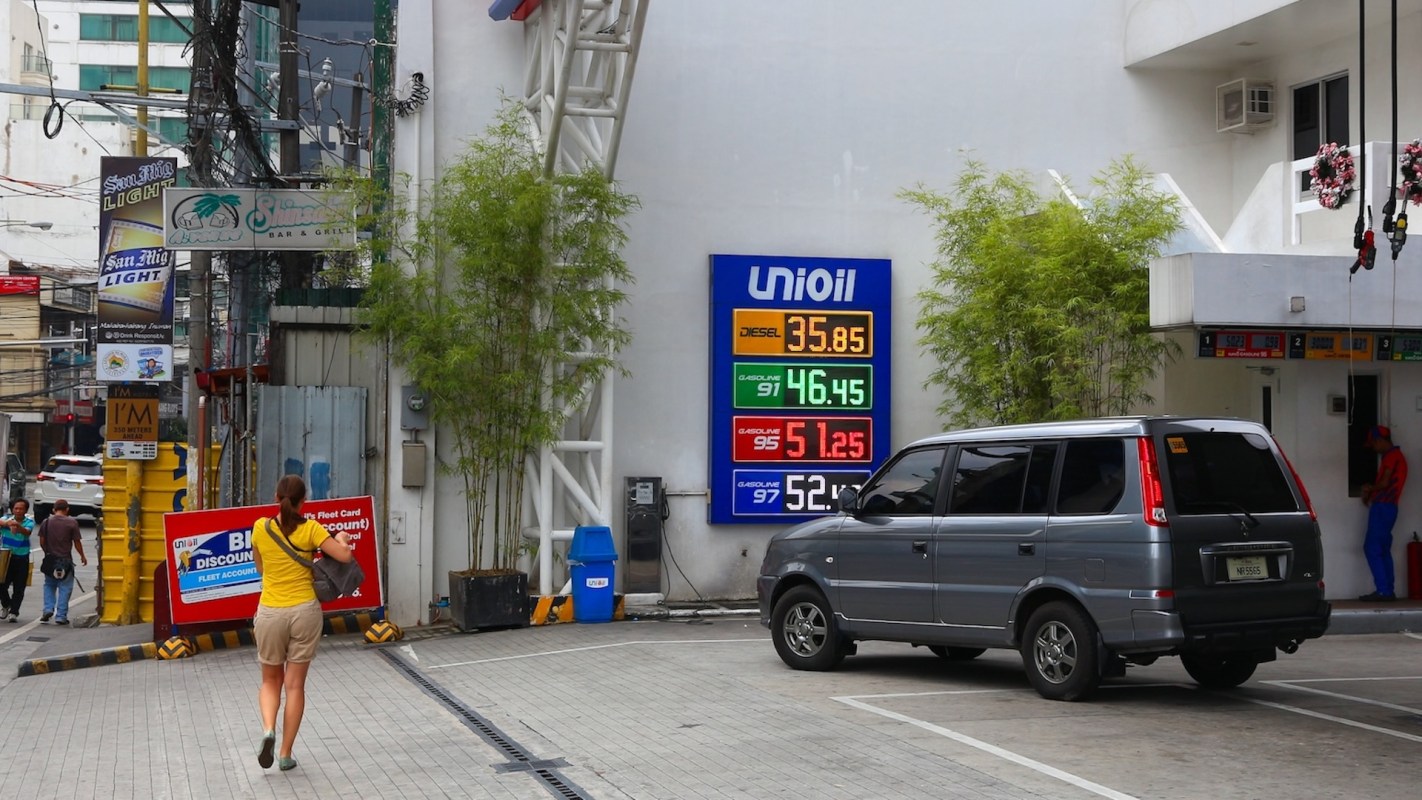
Governments worldwide are rushing to protect households from surging fuel and energy costs as the United States and Israel's war on Iran sends shockwaves through global oil and gas markets.
According to Reuters, countries across Asia, Europe, Africa, and Latin America are rolling out emergency measures — including fuel subsidies, tax cuts, rationing, stockpile releases, and public calls to drive less — in an effort to cushion the impact on consumers and businesses.
What's happening?
Reuters reported that governments worldwide are responding to a sharp spike in energy prices tied to the war in Iran with a broad mix of emergency interventions. Leaders are taking various measures to keep rising oil and gas costs from hitting household budgets, food prices, and major industries all at once.
Some governments are providing direct fuel subsidies. For example, Greece announced hundreds of millions of dollars in support for households and farmers, while Singapore unveiled a package worth nearly $1 billion. The Philippines is launching a $333 million emergency fund to bolster fuel security, and Malaysia has sharply increased its planned spending on gas subsidies.
Others are cutting taxes or tapping reserves. According to Reuters, Italy extended fuel-duty cuts, Romania reduced diesel taxes, Namibia temporarily lowered fuel levies, and Australia said it would draw on domestic gas and diesel reserves to help relieve shortages. Japan has also tapped its oil stockpiles and introduced gasoline subsidies.
Some countries are also trying to reduce demand. India urged citizens and businesses to save fuel and bring back work-from-home practices. Indonesia is taking similar steps for civil servants, while Mauritius announced energy-saving restrictions for nonessential power use. Sri Lanka introduced fuel rationing and even made Wednesdays a public holiday.
TCD Picks » Quince Spotlight
💡These best-sellers from Quince deliver affordable, sustainable luxury for all




At the same time, some of these responses could worsen long-term pollution problems. Japan, South Korea, and the Philippines are among the countries relying more heavily on coal-fired power to manage supply risks, while Indonesia wants to increase coal production.
Why is the fuel shock concerning?
It all serves as a reminder about how vulnerable many economies still are to disruptions in fuel markets. When oil and gas supplies are shaken by war, political instability, or supply constraints, families can quickly end up paying more for gas, groceries, energy, and essentials. Governments then face pressure to spend billions simply to keep daily life affordable.
The issues go well beyond price spikes. Extracting, producing, and burning coal, oil, and gas intensifies extreme weather disasters that destroy homes, livelihoods, and local economies. It also drives water and air pollution linked to a range of human health issues. While households struggle with higher bills, major fuel companies have posted enormous profits.
That makes many emergency responses a double-edged sword. Short-term relief may be necessary, especially for low-income households, farmers, and essential services. But leaning harder on coal, oil, or gas can lock in more pollution and further heat the planet, increasing the risk of stronger heat waves, floods, droughts, and wildfires.
What's being done about soaring fuel prices?
For now, most governments are focused on emergency relief. Reuters pointed to fuel subsidies in Brazil and Ethiopia, electricity-market interventions in the Philippines, fuel tax breaks in the Netherlands and Sweden, and European Union plans to allow governments to provide more support to affected businesses while coordinating gas storage and lowering electricity taxes.
Longer-term solutions could reduce dependence on volatile fuel markets. Britain said it wants to break the link between electricity and gas prices by shifting older wind and solar generators onto fixed contracts. Vietnam is planning to accelerate the adoption of ethanol-blended gasoline, and several governments are encouraging fuel conservation, public transit, or alternative fuels.
One of the strongest long-term defenses against oil shocks is using less oil in the first place. Expanding clean electricity, public transportation, battery storage, modern power grids, and energy-efficient homes can reduce exposure to global fuel-price swings. Meanwhile, electric vehicles and heat pumps can help households save money while cutting reliance on oil and gas.
Consumers can consider using public transit when possible, support local clean energy projects, push for better transit and bike infrastructure, and back policies that make efficient EVs and appliances more affordable.
The current fuel shock is painful, but it is also a warning that tying everyday life to unstable fuel markets leaves households exposed again and again.

Get TCD's free newsletters for easy tips, smart advice, and a chance to earn $5,000 toward home upgrades. To see more stories like this one, change your Google preferences here.






