


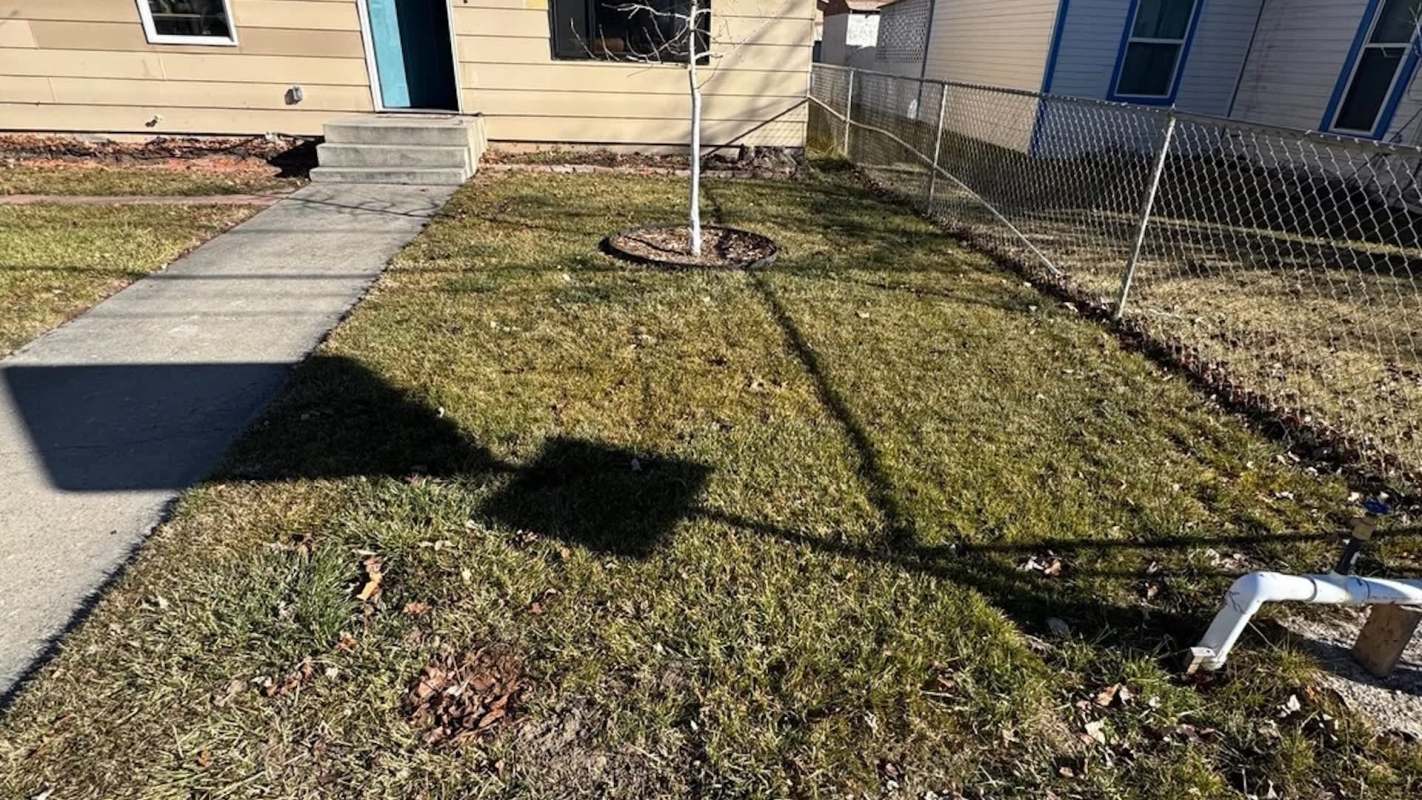
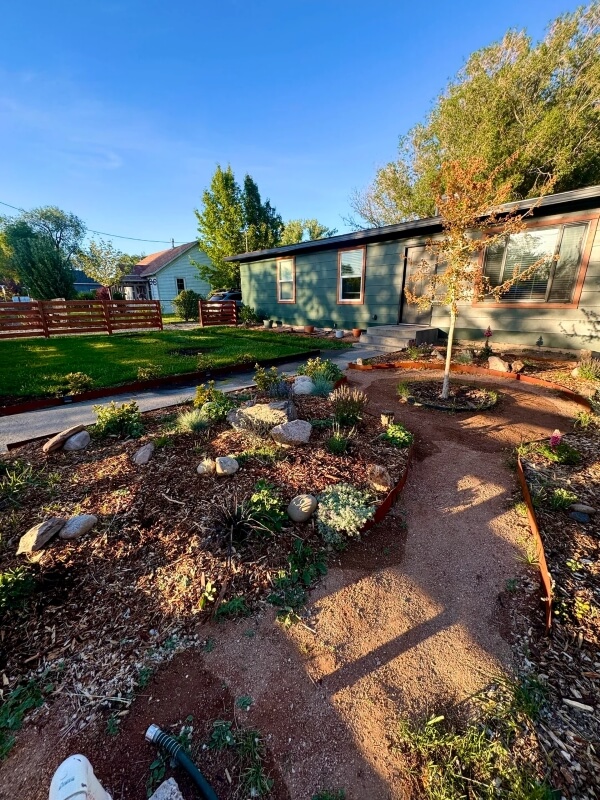
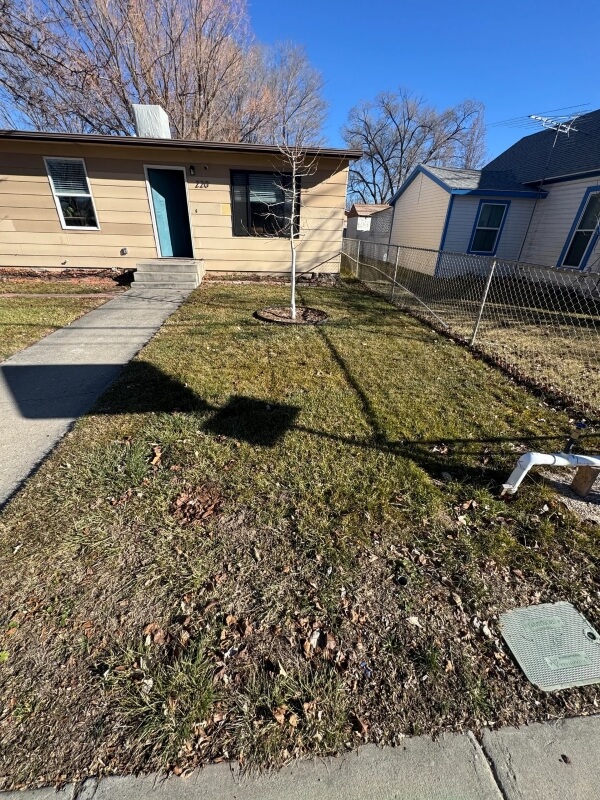
A front yard makeover is drawing attention on Reddit after one homeowner shared a dramatic before-and-after transformation of a desert meadow-inspired garden in western Colorado.
The post, shared in the r/gardening community, earned more than 700 upvotes as commenters praised the once-plain front yard's evolution into a vibrant, layered landscape filled with rocks, mulch, and drought-tolerant plants expected to grow in beautifully over time.
"Moved into our house last August and wanted to do a desert meadow scape so badly!" the original poster wrote. "The ginkgo tree got hit with a nasty last frost, but it's budding again! All of the mulch is from two trees that were leaning over the house."
Located in western Colorado's zones 6b-7b, the property is well-suited for water-wise landscaping — an increasingly practical choice in regions facing drought, high heat, and major temperature swings.
The makeover highlights a growing shift away from conventional lawns, particularly in dry regions where turf grass can be expensive and difficult to maintain.
Replacing all or part of a lawn with native plants, xeriscaping, clover, or buffalo grass can significantly reduce the time, money, and resources needed for mowing, watering, and fertilizing.
TCD Picks » Quince Spotlight
💡These best-sellers from Quince deliver affordable, sustainable luxury for all




Many homeowners also find that low-water landscapes save hours of maintenance each week while creating yards that are more resilient during drought conditions.
That can translate to real savings over time. Water-wise landscaping may help lower utility bills, especially in areas where water costs are rising or restrictions are becoming more common.
Natural landscaping can also provide important environmental benefits. Native plants are typically better adapted to local conditions, making them easier to maintain than traditional turf grass.
They can also help support pollinators such as bees and butterflies while reducing the need for chemical fertilizers and pesticides.
Even small changes, such as replacing one section of grass at a time, can make a noticeable difference without requiring a complete yard overhaul all at once.
Commenters were especially impressed by how dramatically the property had changed in less than a year.
"What a great improvement!" one person wrote.
Another added: "Nice job! It looks so much nicer now!"
Others focused on how the garden is likely to mature over time as the plants continue to fill in.
"Love it! I wish we could hit the fast-forward button to see how it fills out. Beautiful!" one commenter wrote.
A fourth user predicted the landscape would become even more striking with another growing season, writing: "Great work! Next year it'll look even better!"
As drought and water concerns intensify across many parts of the West, more homeowners are reconsidering whether traditional lawns make sense for their region.
Projects like this one show how swapping thirsty grass for native plants and natural materials can create outdoor spaces that are attractive, lower-maintenance, and more environmentally resilient.

Get TCD's free newsletters for easy tips to save more, waste less, and make smarter choices — and earn up to $5,000 toward clean upgrades in TCD's exclusive Rewards Club.






