


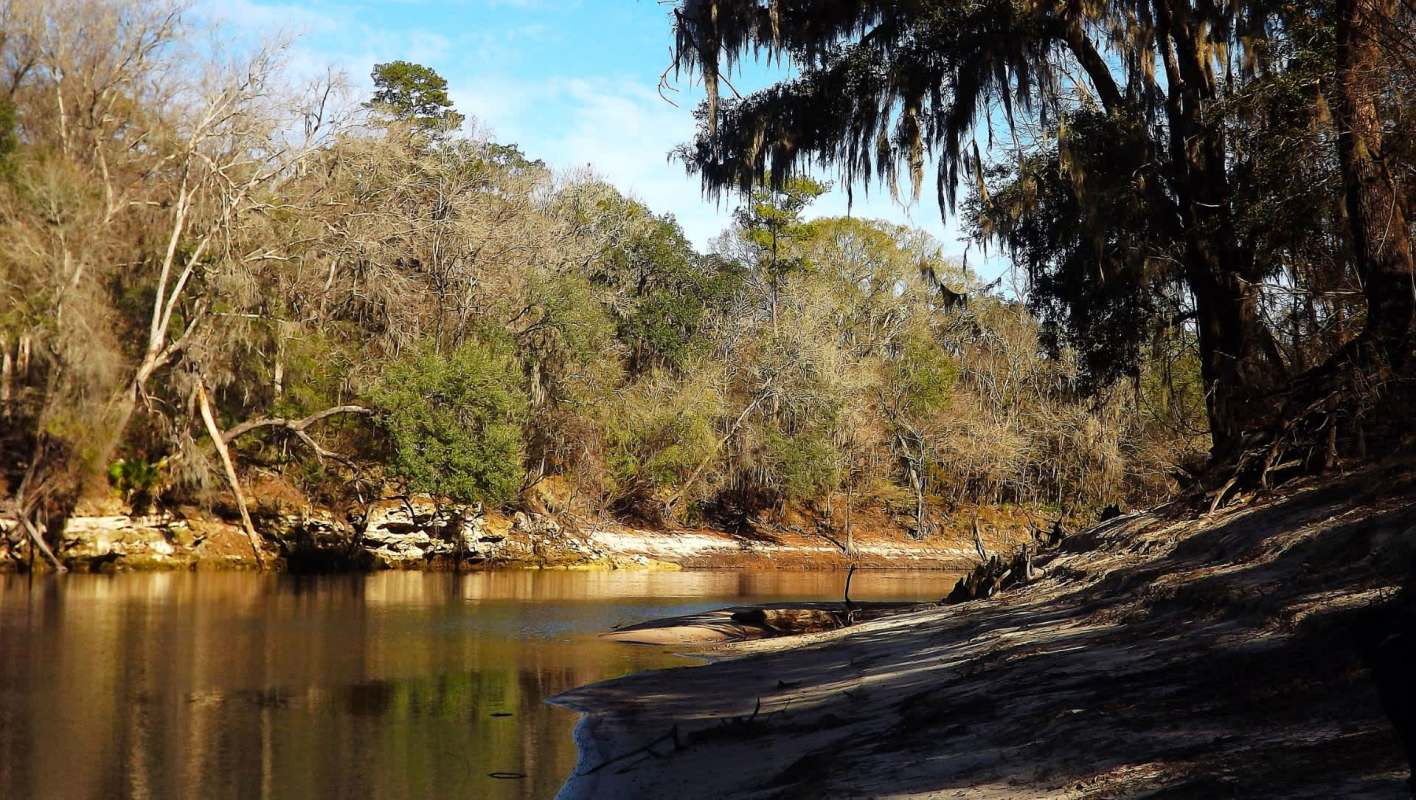
Florida's famous crystal-clear springs are facing a troubling reversal: During heavy rains, murky river water can surge backward into them, clouding the water and putting already-fragile ecosystems under even more stress.
New research suggests this is not just a temporary annoyance after a storm. It could become a growing threat to the health of springs that support wildlife, recreation, and local communities.
Researchers with the University of Florida Institute of Food and Agricultural Sciences found that intense rainfall and flooding can force darker, sediment-filled river water back into freshwater springs, reversing their normal flow.
That is a big problem because springs are supposed to push clean groundwater outward. When floodwater intrudes instead, water clarity drops, and conditions inside the springs get worse. According to the research, these river-water intrusions can worsen existing issues such as low oxygen and algae blooms.
According to the research shared by UF News, the team examined 62 springs across the Suwannee and Santa Fe rivers and documented broad declines in aquatic vegetation. The damage was especially severe in areas that are repeatedly hit by these flood-driven reversals.
While the study focused on Florida, the broader warning is hard to ignore. But as the report indicates, rising extremes in rainfall and more erratic flooding could create similar disruption in other freshwater systems.
TCD Picks » Quince Spotlight
💡These best-sellers from Quince deliver affordable, sustainable luxury for all




Healthy springs do much more than look beautiful on a postcard. They provide habitat for fish and other wildlife, support outdoor recreation, and help sustain local economies built around swimming, paddling, fishing, and tourism.
When murky floodwater moves in, those benefits start to disappear. Poorer water clarity can make springs less inviting to visitors, while low oxygen levels and algae can make them less hospitable to the plants and animals that rely on stable conditions. The loss of underwater vegetation is especially concerning because those plants help shelter wildlife and maintain water quality.
For nearby communities, this is another example of how worsening weather extremes can slow progress toward a cleaner, safer future. It is a lot harder to protect ecosystems, local businesses, and public access to natural spaces when floods keep undoing recovery efforts.
And because many water systems are already under pressure from pollution and development, storm-driven intrusions can pile onto existing problems instead of acting as isolated events.
The new findings give scientists and water managers better evidence of where the biggest risks are and which spring systems are most vulnerable during floods. That kind of monitoring can help guide restoration work and long-term planning.
One major takeaway is that springs cannot be protected in isolation. Reducing nutrient pollution upstream, restoring wetlands that absorb floodwater, and improving watershed management can all help limit the damage that follows major storms. Protecting native aquatic vegetation matters too, since healthier plant communities can make springs more resilient.
For residents, the most realistic steps are local ones: Support spring-protection efforts, avoid overusing lawn fertilizers that can fuel algae, and back community investments in flood-resilient infrastructure. These actions will not stop extreme weather on their own, but they can help reduce the strain on waterways that people depend on.
The research also reinforces a larger point for communities far beyond Florida. Preparing for heavier rain is not just about roads and homes. It is also about protecting the natural systems that help keep places livable.

Get TCD's free newsletters for easy tips, smart advice, and a chance to earn $5,000 toward home upgrades. To see more stories like this one, change your Google preferences here.







