


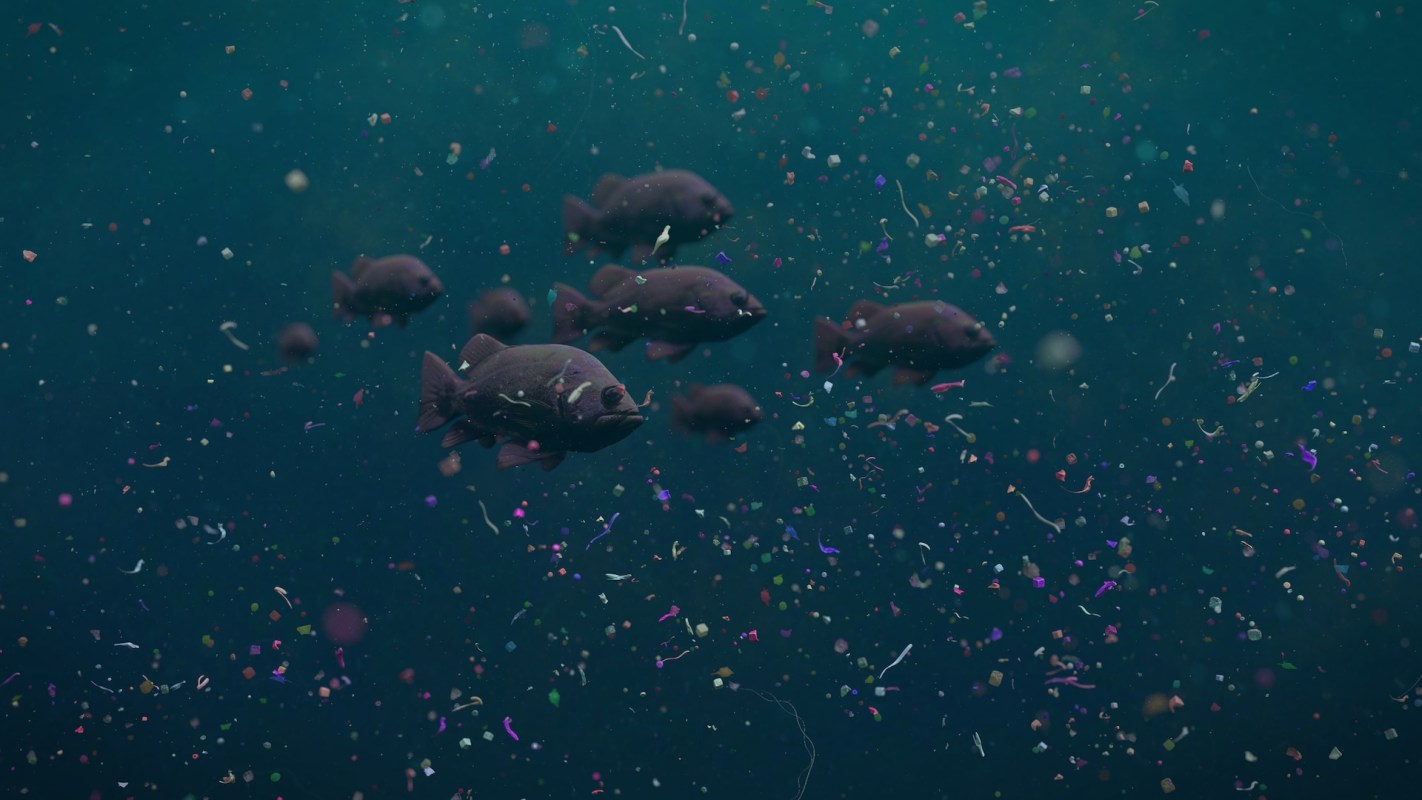
Fish may be taking in microplastics before they ever hunt for food.
According to research published in the journal Frontiers in Marine Science, microplastics in wild fish larvae were found almost immediately after hatching, including in individuals that still had yolk sacs and had not yet started feeding from the environment.
That detail is especially significant because it suggests the particles were not swallowed as food. Contamination may have moved from mother fish into eggs or yolk material during development.
This is an unsettling sign that plastic pollution is reaching marine life at the very start of life and adds new urgency to a problem that already affects oceans, seafood supplies, and ultimately people.
For years, scientists have mostly studied microplastic exposure in adult fish, in part because larvae are tiny, fragile, and difficult to collect in the wild. This has left a major blind spot in understanding how early plastic exposure begins.
"Previous studies on microplastics in fish were largely limited to laboratory organisms or focused solely on adults that were already actively feeding," said Sabrina Rodrigues, a lead researcher and author of the study, per Earth.com.
TCD Picks » Quince Spotlight
💡These best-sellers from Quince deliver affordable, sustainable luxury for all




"As a researcher, finding microplastics in larvae that had never opened their mouths was both fascinating and worrying," Rodrigues added. "We realized that plastic pollution affects fish from the very start of their lives."
The team also found a clear pattern in the surrounding water. Larvae collected from areas with more microplastics carried more contamination, regardless of species, size, or developmental stage.
This matters because the earliest stages of life are often the most vulnerable. Even small disruptions during development can affect growth, swimming, survival, and disease resistance later on.
That is troubling for ocean ecosystems and for people. Young fish support marine food webs, feeding larger fish, seabirds, and marine mammals. They also underpin fisheries that help feed millions of people around the world.
If contamination begins before a fish's first meal, it could ripple through seafood systems long before anyone notices.
Researchers are still working to understand what microplastics do inside living organisms, but exposure has been linked to inflammation, stress, and developmental problems.
For now, researchers have said the study opens an important new line of investigation: discovering how microplastics move from adult animals to their offspring and what that means for ecosystems and seafood safety.
That kind of research could help scientists and regulators better track the risks tied to plastic waste from bottles, fishing gear, synthetic clothing fibers, tire dust, and industrial pollution. Because ocean currents can carry these particles across vast distances, preventing more of them from entering waterways is critical.
On an individual level, no one person can solve ocean plastic pollution alone, but cutting back on avoidable single-use plastics, washing synthetic clothes more carefully, and supporting stronger waste policies can help reduce the flow of plastic into the environment.
The larger takeaway from this research is that the earlier contamination starts, the harder it becomes to protect wildlife and the communities that rely on healthy oceans.

Get TCD's free newsletters for easy tips, smart advice, and a chance to earn $5,000 toward home upgrades. To see more stories like this one, change your Google preferences here.







