


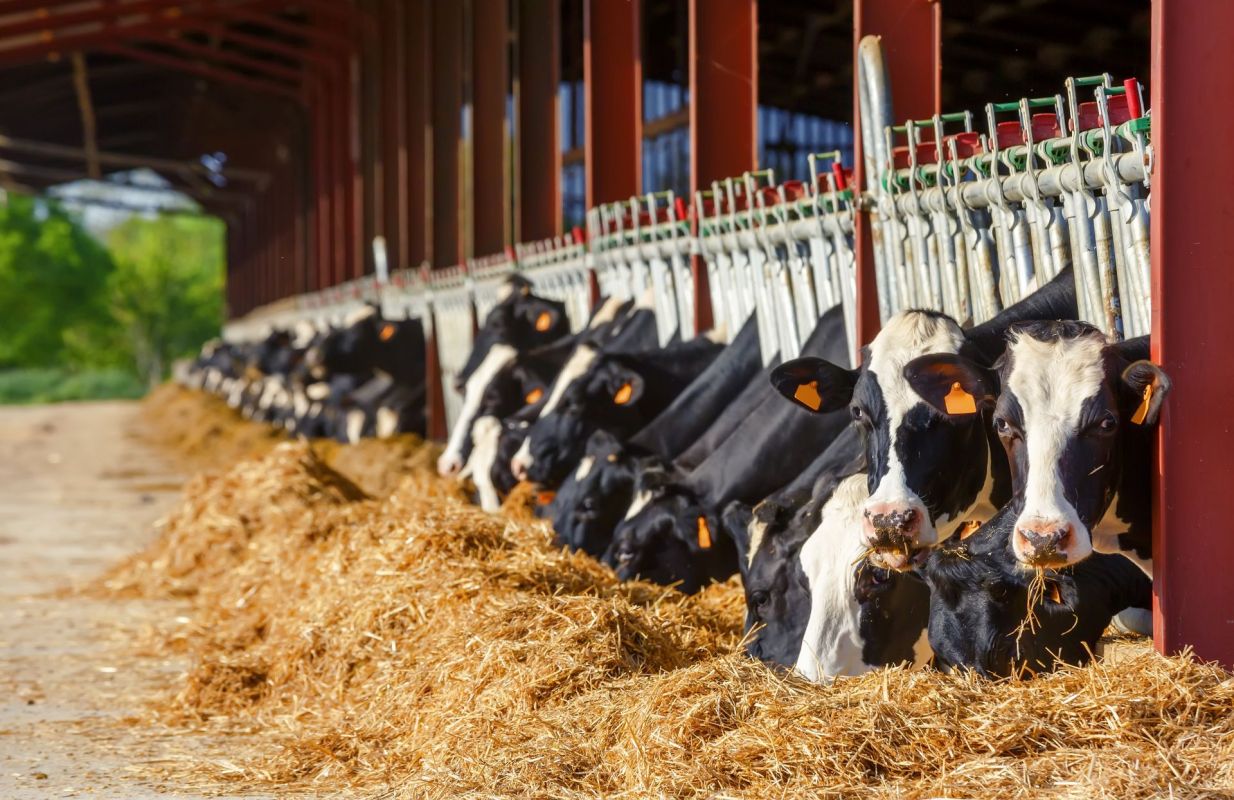
The world's biggest meat and dairy companies have long made sweeping promises about sustainability, but a new analysis suggests almost all of these claims are far more about public relations than meaningful action.
For shoppers trying to make informed decisions and for communities already facing higher food prices, that kind of corporate spin can make a serious issue even harder to address.
A study, published in the peer-reviewed journal PLOS Climate, found that about 98% of all environmental pledges and claims that have been made by the world's main meat and dairy corporations should be thought of as "greenwashing," or portraying their actions as cleaner or greener than they really are.
The researchers concluded that "meat and dairy companies, which produce disproportionate amounts of pollution relative to other kinds of foods … make many promises and provide little supporting evidence."
Because animal agriculture produces an extraordinary amount of planet-warming pollution, roughly 16.5%, it is one of the most important industries to make improvements.
Yet, after researchers looked at the websites and sustainability reports of 33 of the biggest dairy and meat companies, they found that almost all claims were intentionally misleading or at least accentuated to sound better than they are.
TCD Picks » Quince Spotlight
💡These best-sellers from Quince deliver affordable, sustainable luxury for all




In total, the research team investigated the validity of 1,233 environmental claims, of which they categorized 98% as greenwashing. Over 800 of the environmental claims, commitments, and promises offered no evidence of action. Meanwhile, just three of the 1,233 claims were shown to be credible and backed by scientific literature.
The scientists added, "Like the fossil fuel industry, which has used greenwashing over the last several decades to delay meaningful climate action, the meat and dairy industry may be misleading consumers and investors regarding whether and to what extent they are addressing environmental impacts, including climate change, with even less time to spare."
Studies like this one are helping reveal how widespread greenwashing has become, which could increase pressure on companies to provide real evidence for their environmental claims.
Stronger standards for corporate disclosures, better oversight of environmental marketing, and clearer rules around net-zero pledges could make it harder for companies to rely on vague promises.
Consumers can also protect themselves by learning to recognize red flags, including broad claims with no numbers, no timeline, and no independent evidence. For people looking to lower the impact of their food choices, one of the most effective steps is to eat fewer animal products when possible and add more plant-based meals to the mix.

Get TCD's free newsletters for easy tips, smart advice, and a chance to earn $5,000 toward home upgrades. To see more stories like this one, change your Google preferences here.







