


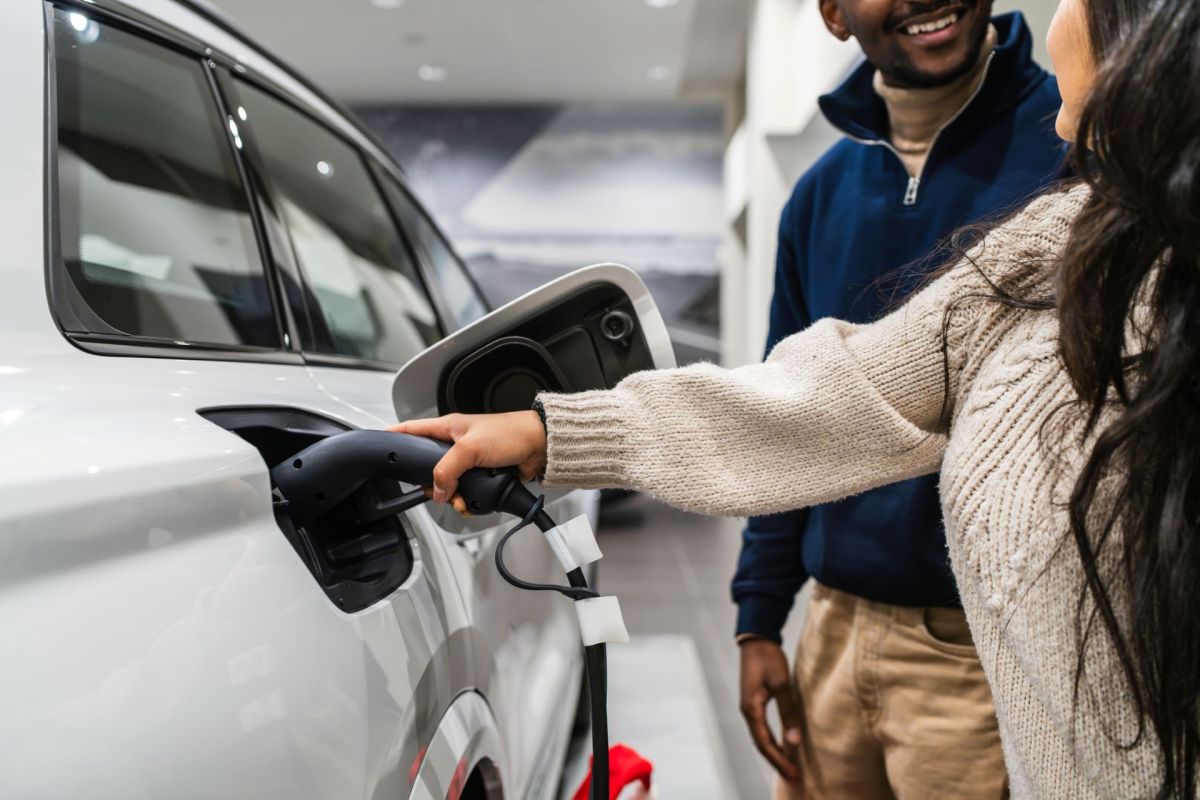
Shoppers browsing used-car lots may be seeing something that would have seemed unlikely not long ago: electric vehicles priced much closer to traditional gas cars.
A wave of lease returns is helping push more used EVs onto dealer lots, and that growing supply is making them harder for budget-conscious drivers to ignore.
According to Cox Automotive's latest EV Monitor, first reported by CNBC, used EV sales were 27.7% higher than a year earlier in March and 53.9% above February levels.
Cox found the average used EV sold for $34,653 in March, down 6.1% year over year. That left used EVs only $1,102 pricier than the average used gas-powered car at $33,641 — a much narrower gap than the $3,923 difference a year earlier.
One big reason is supply. Edmunds analyst Joseph Yoon told CNBC that many EVs from the heavy leasing period in late 2022 and through 2023 are cycling back to dealerships as those three-year agreements expire. Edmunds expects EVs to make up 8% of lease returns in 2026, versus 2% in 2025, according to CNBC's reporting on Edmunds data.
Lower-priced models are becoming more common, too. 44% of used EVs sold in March came in below $25,000, up from 39% in December, according to Stephanie Valdez Streaty, director of industry insights for Cox Automotive.
TCD Picks » Quince Spotlight
💡These best-sellers from Quince deliver affordable, sustainable luxury for all




One example is the Hyundai Ioniq 5, which was once about $10,000 more than its gas-only counterparts, and now generally sells used for 2022 through 2024 models between $18,000 and $27,000, depending on mileage and condition. The Ioniq 5 has had some recalls regarding rare battery issues, but Hyundai extended the warranty to all drivers at a whopping 15 years and 180,000 miles, including those purchasing used, to stand behind its product and ensure free battery replacements for any affected vehicles.
For many households, sticker price is only part of the equation. As America's war with Iran skyrockets the cost of fuel, it becomes easier for buyers to focus on the day-to-day savings.
EVs can also reduce routine maintenance costs because they don't need oil changes, and regenerative braking can help reduce brake wear.
If you're considering an EV, it may be worth comparing total ownership costs, not just the sale price. A home charger can unlock the biggest savings.
Those savings can be significant. CNBC noted, citing data from Kelley Blue Book, that about 1,015 miles of monthly driving would run roughly $59.66 on home electricity versus $147.24 in gas for a car getting a solid 30 mpg, going on national averages.
Annually, that would equate to roughly $1,050 in savings on fuel costs alone.
It's also worth checking for state incentives. Although federal EV tax credits for both new and used purchases stopped after September 2025, some states still offer tax credits or rebates, or utility rate reductions that can lower costs further.

Get TCD's free newsletters for easy tips, smart advice, and a chance to earn $5,000 toward home upgrades. To see more stories like this one, change your Google preferences here.






