


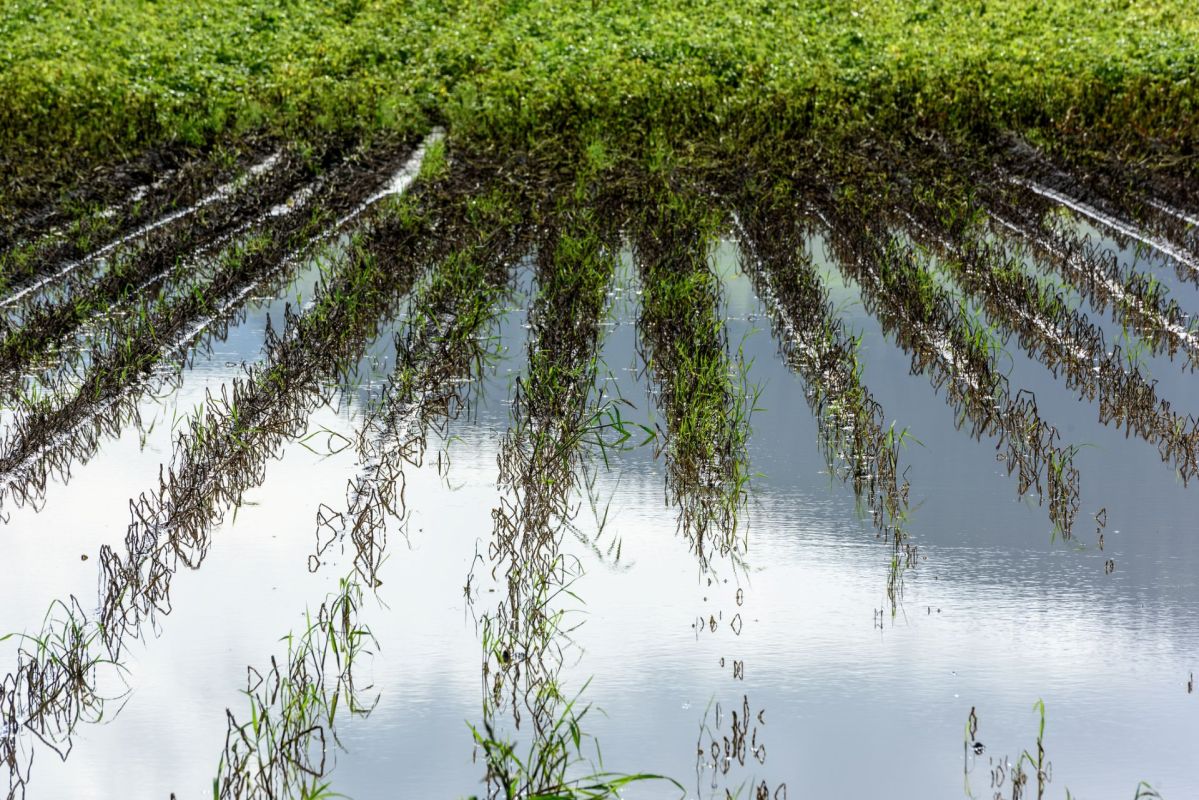
A Washington tribe intentionally let the tide reclaim former farmland north of Seattle, turning a long-drained dairy property into a 230-acre marsh. The move is designed to help bring back threatened Chinook salmon — and could also help nearby communities better withstand future floods.
According to NPR, the Stillaguamish Tribe removed roughly two miles of earthen levee at the mouth of the Stillaguamish River in October, allowing river water and Puget Sound tides to spread across land that had been cut off from the estuary for more than 100 years.
The restored site, known as zis a ba 2, is now a broad tidal wetland where young salmon can feed and grow. Stillaguamish Tribe biologist Jason Griffith said reconnecting the river to its floodplain gives the ecosystem room to function "like it hasn't in 140 years."
The project is part of a much longer effort. As NPR detailed, over roughly the last 15 years, the tribe acquired about 2,000 acres in its traditional territory for fish and wildlife habitat. That work carries extra weight for the Stillaguamish, whose members retained fishing rights under the 1855 Treaty of Point Elliott but were only federally recognized in 1976.
The need is urgent. In 2025, the run was so small that the whole tribe could harvest only 26 Chinook from the Stillaguamish River.
Tidal marshes are essential nurseries for juvenile Chinook, a federally threatened species in Puget Sound. When these wetlands disappear, salmon lose sheltered habitat during one of the most vulnerable parts of their life cycle.
TCD Picks » Quince Spotlight
💡These best-sellers from Quince deliver affordable, sustainable luxury for all




The benefits may not stop with fish. Soon after the levee breach, shorebirds were already swarming the new mudflats, a sign that the restored marsh is quickly becoming useful habitat for multiple species. That kind of ecological rebound can strengthen local food webs and improve water quality over time.
There is also a human safety angle. Washington's intense winter storms recently caused devastating floods, and restored floodplains can absorb and spread out high water, reducing pressure on levees and lowering the risk of catastrophic damage to roads, farms, and homes.
That is especially important in low-lying coastal areas, which face larger floods and rising seas.
Not everyone sees land use the same way. Local farmers say levees are what make farming and daily life in the floodplain possible, and some worry about losing productive acreage. But there are signs of common ground: As NPR reported, farmer Tyler Breum said he can back certain levee removals if farmers also benefit.
For communities elsewhere, the lesson is practical: Restoring wetlands and modernizing flood infrastructure can work together.
"These habitat projects are the best bang for our buck right now," Scott Boyd, a Stillaguamish tribal member and fisheries manager, said, according to NPR.
"By giving the river more space, we are reducing the damage and the expense to society to maintain infrastructure," Griffith added. "It's cheaper to maintain if you stay further away."

Get TCD's free newsletters for easy tips, smart advice, and a chance to earn $5,000 toward home upgrades. To see more stories like this one, change your Google preferences here.







