


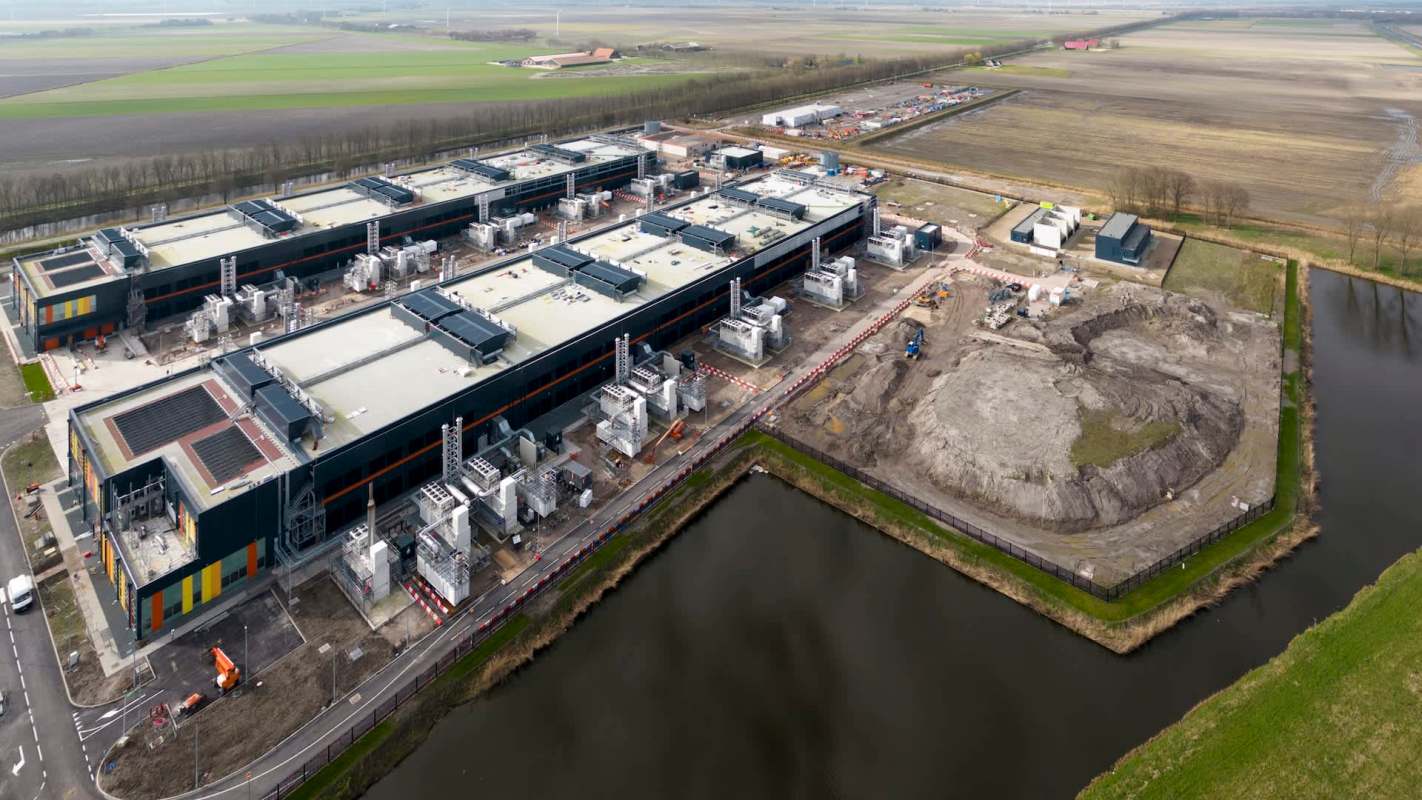
Georgia residents recently learned that a massive data center used nearly 30 million gallons of water without proper billing, deepening concerns about how large computing facilities — and especially those powering operations like artificial intelligence — can strain local resources.
What happened?
Residents of the Annelise Park subdivision in Fayetteville, Georgia, began complaining last year about unusually low water pressure, according to Politico. When Fayette County officials looked into the issue, they discovered "two industrial-scale water hookups" serving a nearby Quality Technology Services data center campus.
Officials reportedly determined one hookup had been connected without notice to the water utility, and the other, which had been left off the QTS company account, was not being billed.
In a 2025 letter to QTS, the county said the company owed $147,474 for more than 29 million gallons of water. According to Politico, the utility director estimated roughly four months of unpaid use, while QTS put the span at about nine to 15 months.
The company said that it paid the back charges after being notified and suggested that the problem may have been due to the county's smart-meter rollout.
County officials said the oversight has been righted and that the hookups are now being monitored. The utility director described the issue as an operational misunderstanding and said staffing shortages may have contributed to the problem.
TCD Picks » Quince Spotlight
💡These best-sellers from Quince deliver affordable, sustainable luxury for all




Even so, backlash erupted after a resident got the county letter through an open-records request and posted it on social media earlier this spring. Underscoring the frustration was that residents had previously been asked to conserve their own water usage.
"We get this notification from Fayette County water system saying you need to stop watering your lawns," James Clifton, a lawyer and the resident who obtained the letter, told Politico.
QTS has pushed back on the criticism, saying the elevated water use was tied to temporary construction rather than regular operations. The company told the reporting outlet that its "closed-loop" system is designed not to consume vast quantities of water once fully operational.
Why is this concerning?
Large data centers used to power operations such as AI can place heavy demands on energy grids and water systems, especially in fast-growing areas already coping with dry conditions. Georgia currently has 213 data centers, according to Data Center Map, and concerns about the facilities' resource use are intensifying as much of the state deals with drought.
Politico also noted that Governor Brian Kemp declared a state of emergency in April as wildfires raged. Against that backdrop, the idea of tens of millions of gallons going untracked has struck many residents as unacceptable.
The Fayetteville campus stands out because of its scale. The site spans 615 acres and may grow to 16 buildings, putting it among the biggest U.S. data center projects.
While officials say the project could bring in tens of millions of dollars in annual property tax revenue, residents worry those benefits may come with added strain on water supplies, electricity demand, and local infrastructure.
In Fayette County, critics have also zeroed in on the lack of enforcement as an issue. Although the county billed QTS for the missing water after the fact, it did not issue a fine.
UCLA Water Resources Group Director Gregory Pierce told Politico it would be unusual for a utility to skip penalizing a customer for breaking the rules in this manner. The county water utility director told the news outlet that QTS is the system's biggest customer and the two sides have to work together.
What's being done about data center water use?
Some local action is already underway. In April, the Fayetteville City Council voted to pause new data center construction in the area.
Beyond this one project, communities are pushing for stronger protections before data centers are approved. That might include requiring public reporting on energy and water use; mandating the use of cleaner energy sources; setting firm limits on consumption; enforcing penalties for rule-breaking hookups or overuse; and making sure utilities have the staffing and technology needed to accurately track large industrial customers.
Residents can also advocate for local planning rules that weigh the full cost of new data centers, not just the tax revenue. As demand for AI and other computing services grows, communities may increasingly need policies that protect households from resource shortages while steering new development toward more efficient designs and cleaner power sources.

Get TCD's free newsletters for easy tips, smart advice, and a chance to earn $5,000 toward home upgrades. To see more stories like this one, change your Google preferences here.






