


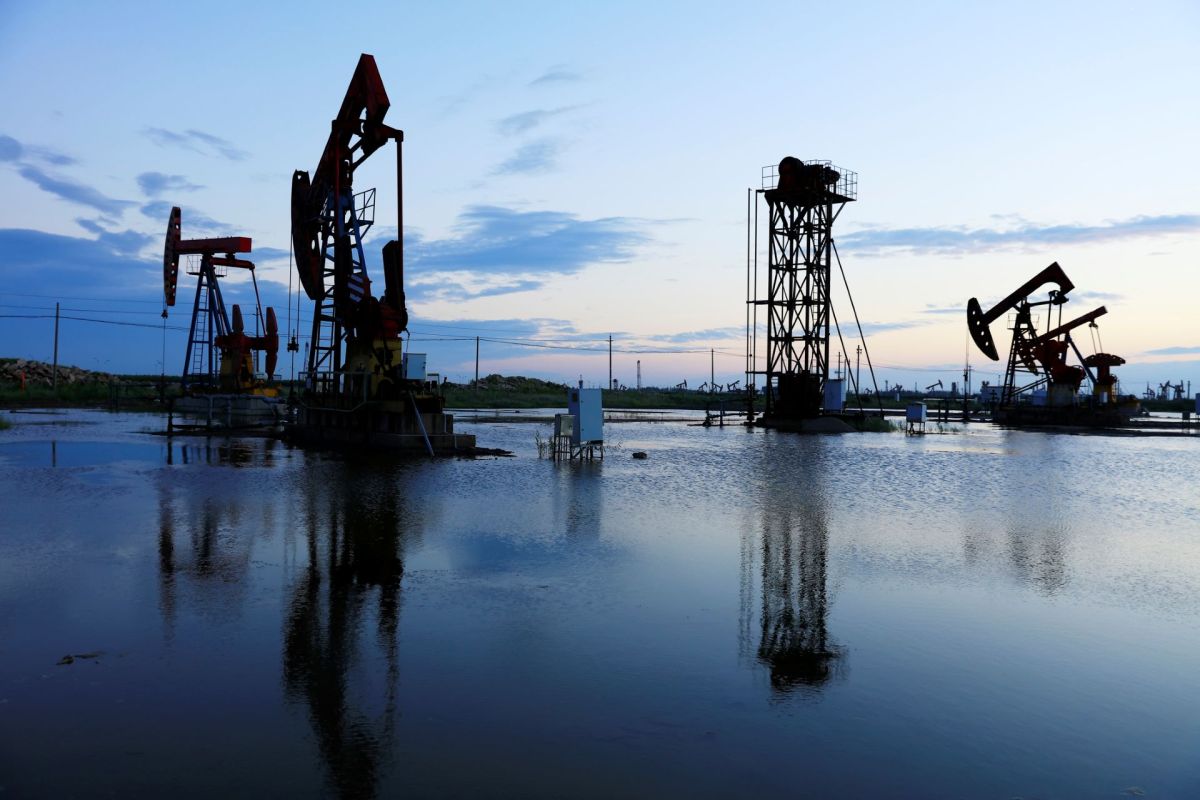
Oil companies are raking in enormous profits as the war in Iran rattles global energy markets and drivers across the U.S. face painfully high prices at the pump.
Recent earnings reports show just how lucrative the moment has become for corporations.
ConocoPhillips posted $2.3 billion in profits in the opening quarter of 2026, up 84% from the prewar period, according to the Guardian. Meanwhile, Valero Energy, a petroleum refining giant, reported $1.2 billion in profits. Earnings were so "exceptional" for BP that its profits more than doubled between the last quarter of 2025 and the first quarter of 2026.
While other major players like ExxonMobil and Chevron had lower profits during the first quarter of the year, analysts expect that picture to change quickly if higher prices hold, according to CNN.
Consensus forecasts suggest ExxonMobil's second-quarter earnings may come in at more than twice last year's level, while Chevron's full-year profits are predicted to rise by 56% for the year.
Kelly Mitchell, who leads the oil and gas industry watchdog Fieldnotes, told the Guardian, "The reason why oil companies are doing so well right now, or at least are projected to do very well in the near term, is exactly because Americans are hurting."
TCD Picks » Quince Spotlight
💡These best-sellers from Quince deliver affordable, sustainable luxury for all




Mitchell continued, "Their business interest is to extract as many dollars out of a barrel of oil as possible, and the folks on the other side of the equation are Americans who are just trying to fill up their gas tank and get to work."
Clean energy advocates and economists told the outlet that the sudden influx of cash could do more than inflate quarterly earnings: It could deepen the fossil fuel industry's political influence, spur more drilling, and further slow the transition to cleaner, cheaper energy.
When powerful fuel companies are flush with cash, they can spend more to shape policy, defend subsidies, and fight rules that would accelerate the wider adoption of cleaner power, modernized grids, and lower-cost transportation options. That can delay the kinds of solutions that would cut bills and protect public health.
But even with this latest jolt for the oil sector, cleaner energy is still gaining momentum. Wind and solar have become increasingly cost-competitive in recent years, and that trend is likely to continue, even as fossil fuel giants press consumers around the globe.

Get TCD's free newsletters for easy tips, smart advice, and a chance to earn $5,000 toward home upgrades. To see more stories like this one, change your Google preferences here.






