


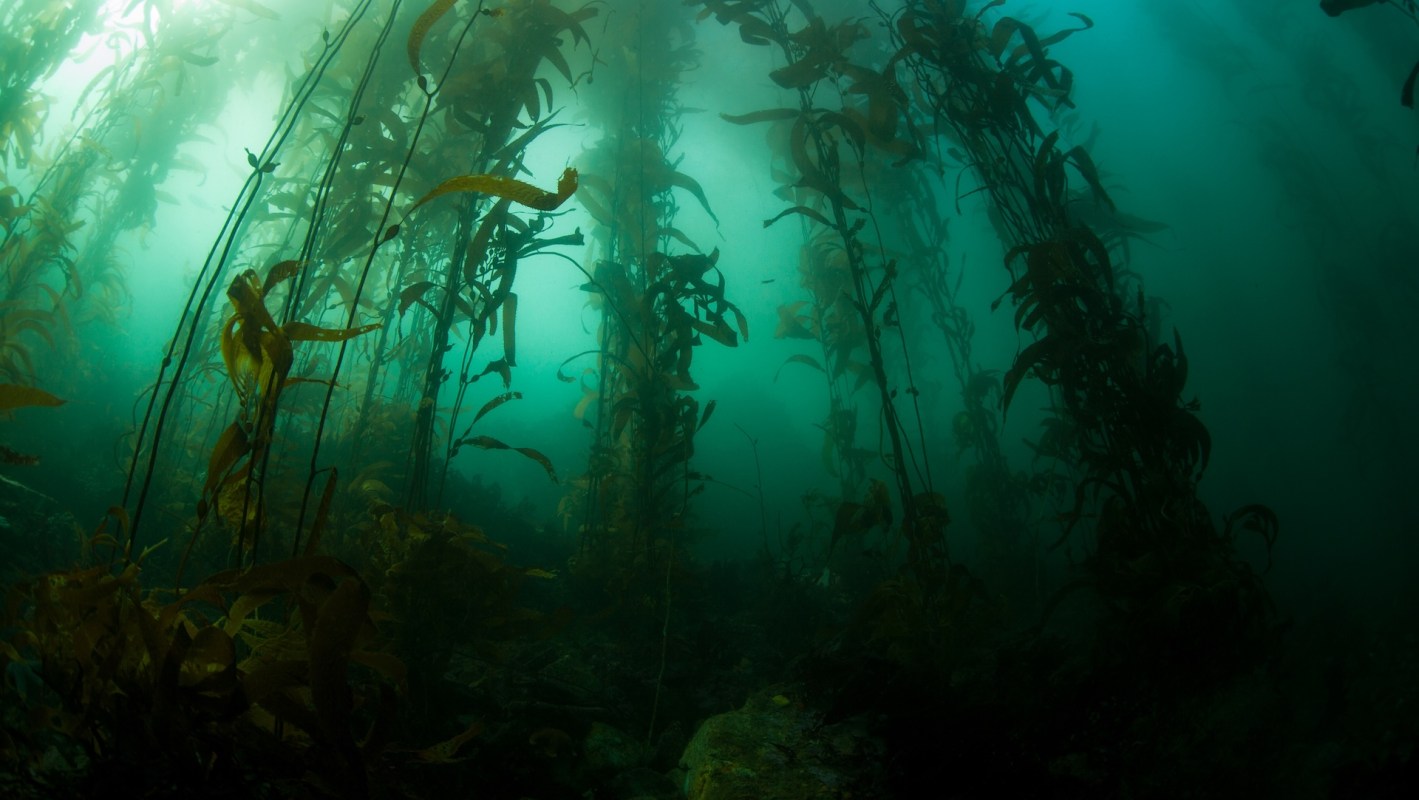
One of the world's largest intact kelp forests is now the focus of an ambitious scientific investigation that could unlock critical insights for protecting a marine ecosystem that supports wildlife, fisheries, and global climate stability.
In Chilean Patagonia, researchers have launched the Patagonia Megatransect, a 1,200-kilometer (746-mile) underwater survey stretching from the Gulf of Corcovado to Cape Horn. The project began in January and is scheduled to continue through March 2027, according to Discover Wildlife.
The scale of the effort is immense. Across six expeditions, researchers plan to survey 90 dive-sampling sites and 180 research transects using more than 7,200 underwater photo quadrants. Scientists are also collecting environmental DNA to identify species living in and around the giant kelp forests.
"These kelp forests are key components of the planet's coastal ecosystems that provide a wide variety of ecosystem services, including coastal protection, resource provision, biodiversity, and climate regulation," said project leader Mathias Hüne, per Discover Wildlife.
In Southern Patagonia, species such as king crabs rely on kelp forests at key stages of their life cycles, making the health of these ecosystems directly tied to local livelihoods and food systems.
Kelp forests also play an important role in regulating the climate. These underwater ecosystems store massive amounts of carbon, and giant kelp can absorb far more quickly than terrestrial forests because of its extraordinary growth rate.
TCD Picks » Quince Spotlight
💡These best-sellers from Quince deliver affordable, sustainable luxury for all




"The giant kelp Macrocystis pyrifera can grow up to 50 centimeters (19.7 inches) per day under optimal conditions," Hüne said. "Giant kelp constitutes large-scale, extensive carbon sinks, most of which are found in Chilean Patagonia."
Around the world, some kelp ecosystems have declined by as much as 90%, and Patagonia's forests are increasingly threatened by the invasive plumose anemone, which is rapidly damaging kelp habitat.
Researchers have already documented the disappearance of one kelp forest that satellite imagery had identified only two years earlier.
In California, volunteers are taking drastic action, using hammers to cull sea urchins, in a bid to rescue struggling kelp forests.
Scientists hope the project will provide policymakers and local communities with the data needed to strengthen conservation efforts before more habitat is lost.
The benefits could extend far beyond the ocean itself. Healthy kelp forests can help sustain fisheries, support tourism and recreation, preserve biodiversity, and strengthen coastal resilience in a warming climate.
In the Magallanes region of Chile, artisanal fishers have already proposed a 10-year fishing ban to help protect these ecosystems, underscoring how closely community well-being is tied to ocean health.
The expeditions may also uncover species that have never been documented in the region. Because many of the sites are remote and difficult to access, researchers believe new discoveries are likely.
"All of this motivates us to continue gathering information on the biodiversity present in Patagonia's kelp forests, especially in a vast and diverse region that is home to the most resilient kelp forest ecosystems on the planet," Hüne said, per Discover Wildlife.

Get TCD's free newsletters for easy tips, smart advice, and a chance to earn $5,000 toward home upgrades. To see more stories like this one, change your Google preferences here.







