


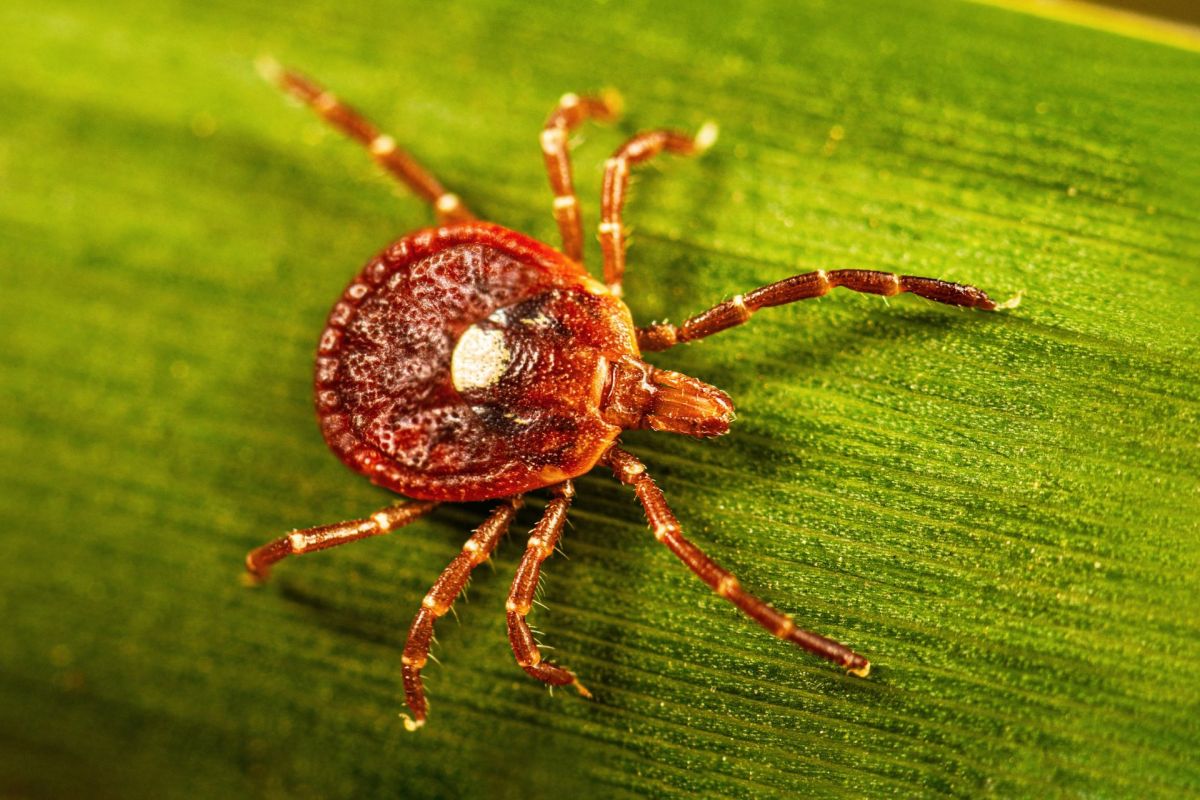
Massachusetts is taking a proactive step to help protect residents from one of the more unusual health risks linked to ticks: a red meat allergy.
Effective April 1, physicians and laboratories across the state are required to notify public health officials of any new alpha-gal syndrome diagnoses, the Athol Daily News reported.
These cases, associated with bites from the lone star tick, can help Massachusetts formally track and understand the condition, which health officials believe is under-diagnosed. The Centers for Disease Control and Prevention estimated that nearly 450,000 people may be impacted by alpha-gal syndrome.
Martha's Vineyard in particular had an enormous influx of cases in 2024 — over 500 caused by the lone star tick's saliva, as CBS News noted. With a clearer picture of the true prevalence of the condition, health officials can better focus on education efforts and prevention.
For patients, that is an important development, especially because alpha-gal syndrome can be difficult to identify and result in the bizarre mammalian meat allergy. Part of why it's so tricky to identify is because the meat allergy often develops gradually.
Beyond allergies to pork, beef, and venison, those impacted by the illness can develop sensitivities to a variety of dairy products, broths, and even foods cooked in tallow.
TCD Picks » Quince Spotlight
💡These best-sellers from Quince deliver affordable, sustainable luxury for all




Unfortunately, the lone star tick's range has expanded significantly northward into New England, meaning more people are vulnerable to the dangers associated with tick bites, in addition to alpha-gal syndrome.
Massachusetts is following several Southeastern states that already have alpha-gal syndrome reporting requirements, after Martha's Vineyard and Cape Cod had populations of the lone star tick move in.
"The species is also starting to make inroads into the rest of the state as well," Dr. Catherine Brown, a state epidemiologist and public health veterinarian at the Massachusetts Department of Public Health, told CBS News.
Brown added basic measures to avoid ticks and alpha-gal syndrome, including showering after being outdoors. "Just make sure that you're thinking about tick repellents and tick checks," she said.

Get TCD's free newsletters for easy tips, smart advice, and a chance to earn $5,000 toward home upgrades. To see more stories like this one, change your Google preferences here.






