


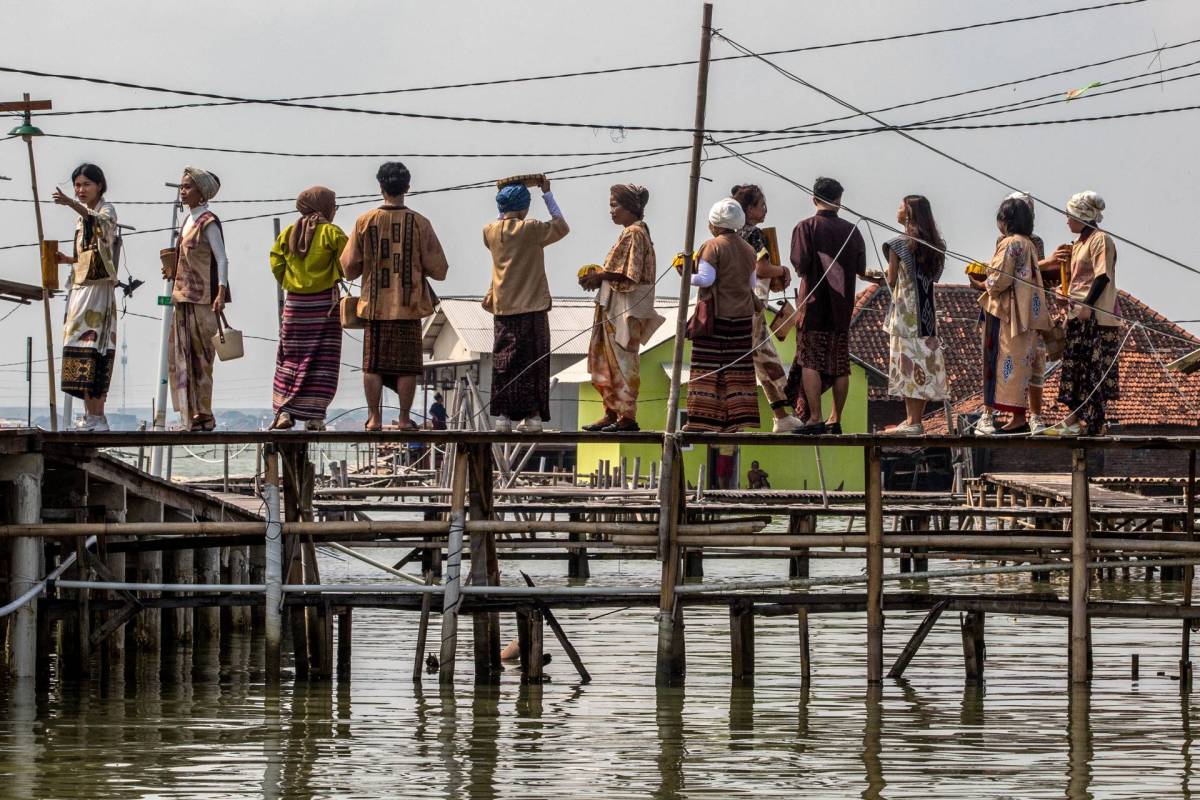
Land subsidence, the gradual sinking of the ground, is becoming an increasingly important part of the sea level rise story.
Scientists warn that in coastal hotspots, flood danger is worse than many people may realize because the ocean is rising faster than previously believed, and the ground itself is dropping, Yale Environment 360 reported.
Using tidal gauges, Dutch researchers analyzed sea levels and found that nearly all existing research has underestimated current sea levels, averaging almost 1 foot higher than standard estimates. In some cases, previously accepted sea levels were as much as 3 feet lower than the actual measurements.
They found that approximately 80 million people are living on land in coastal areas below sea level. This is almost twice previous estimates.
Another study analyzed 40 of the world's biggest and most populous river deltas. In 18 cases, land subsidence rates exceeded rising sea level rates.
This dramatic land subsidence more than doubled the annual rise in local sea levels, and, in some cases, it multiplied tenfold.
TCD Picks » Quince Spotlight
💡These best-sellers from Quince deliver affordable, sustainable luxury for all




When sinking land is overlooked, flood models may underestimate how vulnerable a place really is. Scientists now think sea levels around the world could be roughly 9.4 to 10.6 inches above model estimates.
"We could see devastating impacts much earlier than predicted — particularly in the Global South," warned Matt Palmer, a specialist on sea level rise at the U.K. Met Office's Hadley Centre for Climate Science and Services. "We are seeing an emerging body of research that rewrites the story of coastal vulnerability."
Land subsidence can happen naturally, but in many populated areas it is made much worse by human activity, especially the pumping of too much groundwater from aquifers.
Put simply, when water is removed faster than nature can replace it, the land above can compact and settle.
In coastal cities and river deltas, that means communities end up effectively lower relative to the sea, increasing flood risk even faster than global sea level rise alone.
Land subsidence increases flood risk by lowering the ground surface relative to the water around it.
This phenomenon can make coastal flooding arrive sooner, hit harder, and affect more people than expected. The ocean does not need to rise dramatically to flood a city if the land beneath homes, roads, and critical infrastructure is also sinking.
Land subsidence can also make storm surges more damaging, allow high tides to push farther inland, and increase chronic flooding in neighborhoods.
That danger is especially clear in low-lying delta regions.
Scientists say broad areas of Java are dropping by up to 1.5 meters (4.9 feet) each decade, much faster than global sea levels are rising.
Tens of millions of people across the Nile, Mekong, Mahanadi, and Yellow river deltas face imminent risk from the combination of rising seas and sinking land.
Unlike many parts of the climate crisis, land subsidence is one area wherein local action can make a difference relatively quickly.
Compared to climate-driven sea level rise, which requires broad global efforts to slow, cutting back on groundwater pumping can mitigate or even stop human-caused subsidence.
Though reducing the overpumping of groundwater will not solve global sea level rise, it does give cities and regions a near-term path to lower risk.
For communities already dealing with rising seas, stopping the ground from sinking farther could buy valuable time.

Get TCD's free newsletters for easy tips, smart advice, and a chance to earn $5,000 toward home upgrades. To see more stories like this one, change your Google preferences here.







