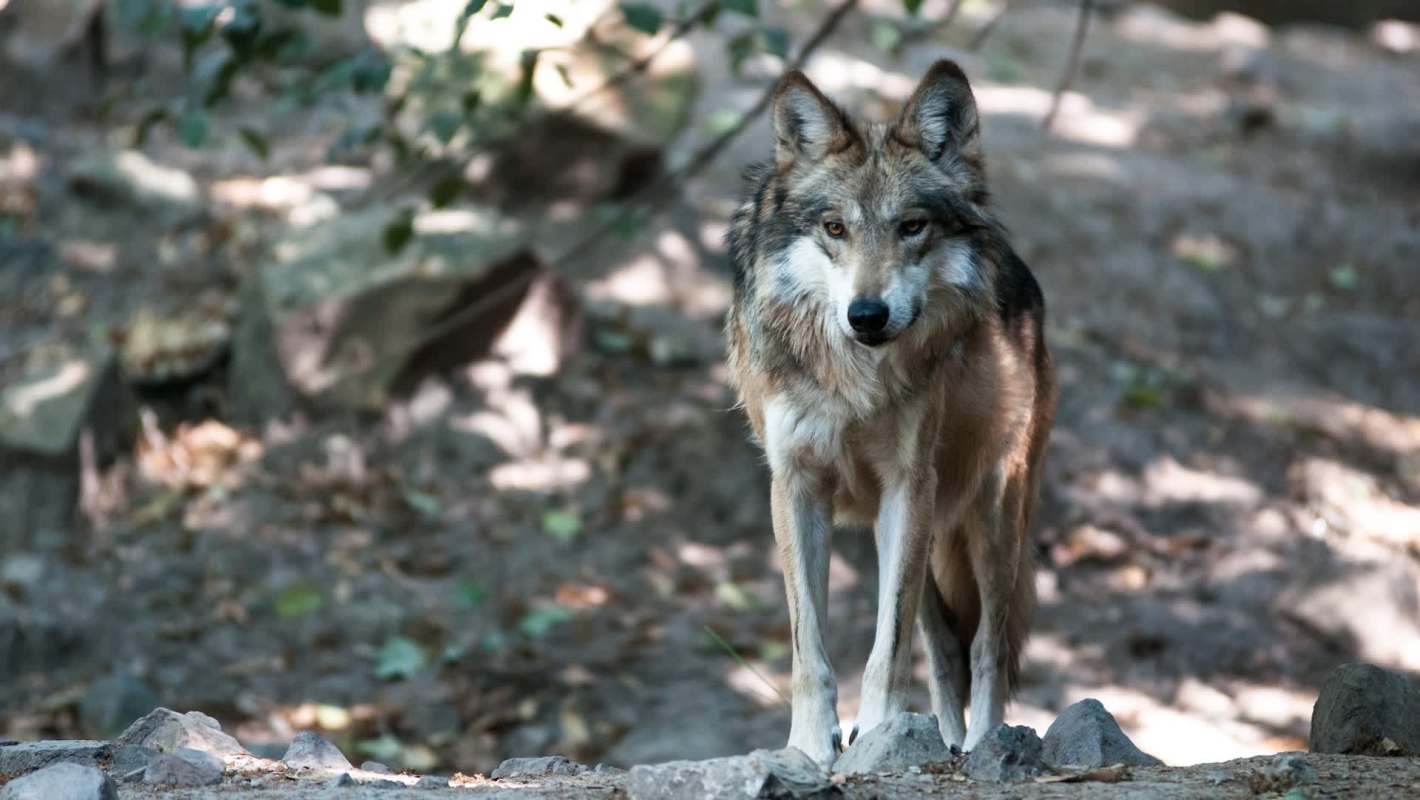
A Mexican gray wolf named Cedar has accomplished something no radio-collared wolf has done in decades: He crossed from the United States into Mexico on his own, slipping through a rare unfenced stretch of the border in New Mexico's remote Bootheel region, Taos News reported.
Cedar's journey offers hope for one of North America's most endangered mammals while also serving as a stark reminder of what could soon be lost.
Cedar, an adult male born in Arizona to the Rocky Prairie Pack, traveled south through Hidalgo County into Chihuahua last week.
The crossing is significant because Mexican gray wolves, also known as lobos, need room to roam in order to find prey, establish territory, and, perhaps most importantly, find mates.
Mexico reintroduced wolves in 2011, meaning Cedar now has an opportunity to connect with that growing population.
For a species suffering from critically low genetic diversity, this kind of movement could strengthen the long-term future of wolves on both sides of the border.
TCD Picks » Quince Spotlight
💡These best-sellers from Quince deliver affordable, sustainable luxury for all




The development is especially notable because the opening Cedar used may not remain accessible much longer.
According to Taos News, U.S. Customs and Border Protection has begun extending the wall in the same area, potentially closing off one of the last pathways wildlife can still use to move between the two countries.
The Trump administration's "One Big Beautiful Bill Act" set aside $46.5 billion for border security infrastructure, and Rep. Gabe Vasquez said in January that the Department of Homeland Security had issued a $1.6 billion contract to construct 49 miles of wall in a remote stretch of the Bootheel.
The federal government's southern border security strategy has also shifted toward what U.S. Customs and Immigration Enforcement calls a "Smart Wall," combining steel bollard barriers with patrol roads, cameras, lights, and other surveillance technology.
"Cedar could be the last lobo to truly roam freely if Trump completes his destructive border wall," conservation advocate Michael Robinson said in a press release, per Taos News. "Since time immemorial, wolves effortlessly loped through these borderless desert grasslands with eyes open for deer and jackrabbits and snouts sniffing for other wolves. Sealing off the Bootheel would isolate wolves and other rare mammals like jaguars and ultimately make them all less likely to survive."
For the public, the issue goes beyond a single charismatic animal.
Wildlife movement supports healthier ecosystems, helping keep landscapes more resilient for nearby communities, ranchlands, and water resources. The tension between securing the border and conservation has been ongoing for decades.
"It is so exciting to know that Cedar was able to find his way south into Mexico in search of the things he needs to thrive," said Cyndi Tuell, the Arizona and New Mexico director at Western Watersheds Project, per Taos News.

Get TCD's free newsletters for easy tips, smart advice, and a chance to earn $5,000 toward home upgrades. To see more stories like this one, change your Google preferences here.