


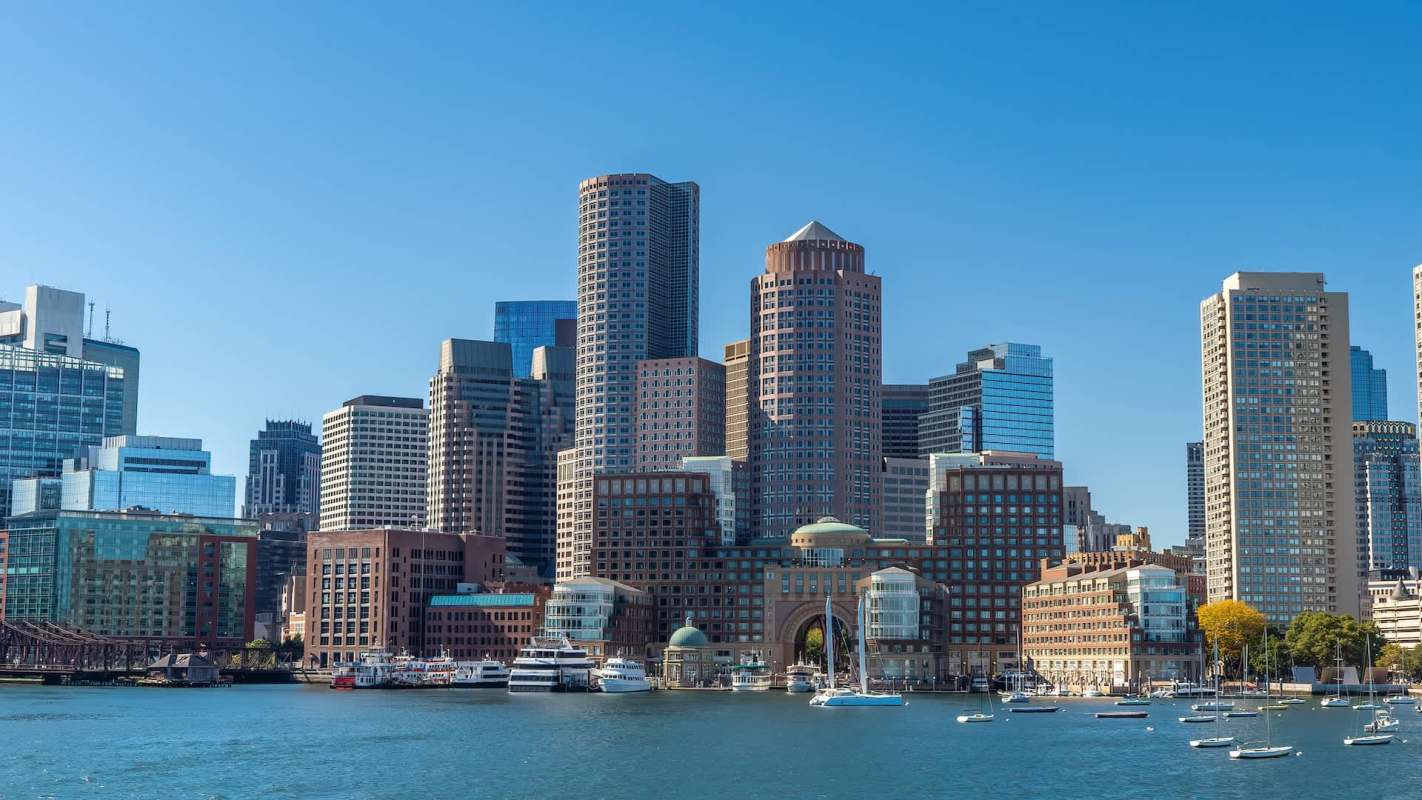
Despite the fact that one of Boston's nicknames is "The City on a Hill," it might be more appropriate to dub it "The City on Landfill."
While the added land has helped the city economically, it's now vulnerable, as a book excerpt in Next City explained.
The piece by Courtney Humphries from her new book, "Climate Change and the Future of Boston," intimates that as sea levels rise, these once-underwater neighborhoods could face flooding risks again.
Over the centuries, Humphries wrote that Boston steadily turned marshes and mudflats into usable land for docks, rail lines, industry, housing, and parks. This includes critical areas like Logan Airport and the wealthy Back Bay.
Humphries noted that the 5,250-acre area is roughly one-sixth of the city and among the most exposed citywide as climate change brings higher seas, stronger storms, and heavier rainfall.
The implications go well beyond property values. As the piece described, filled land can come with contaminated soil, land subsidence, and structural concerns, including the wooden piles beneath parts of Back Bay that depend on stable groundwater levels.
TCD Picks » Quince Spotlight
💡These best-sellers from Quince deliver affordable, sustainable luxury for all




There is a wide range in the city's projected sea-level rise by 2100. In the middle range of a 1.5-foot rise from 2000, 5% of the city could face regular tidal flooding, and 10% could face storm flooding, per Next City.
Boston hasn't ignored the problem, per the excerpt. The city has spent years developing resilience plans, requiring some new projects in flood-prone areas to meet tougher standards, and mapping out how to protect its 47 miles of shoreline through the Climate Ready Boston initiative.
Still, Humphries asserted that these moves so far have been piecemeal, handled property by property, while the city's biggest risks stretch across public land, private developments, transit systems, and entire neighborhoods.
State and federal support are forthcoming, but ultimately, Humphries argued that Boston may eventually need to reconsider where future growth should go. That includes steering more development toward higher ground instead of continuing to invest heavily in the areas that are hardest to defend.

Get TCD's free newsletters for easy tips, smart advice, and a chance to earn $5,000 toward home upgrades. To see more stories like this one, change your Google preferences here.







