


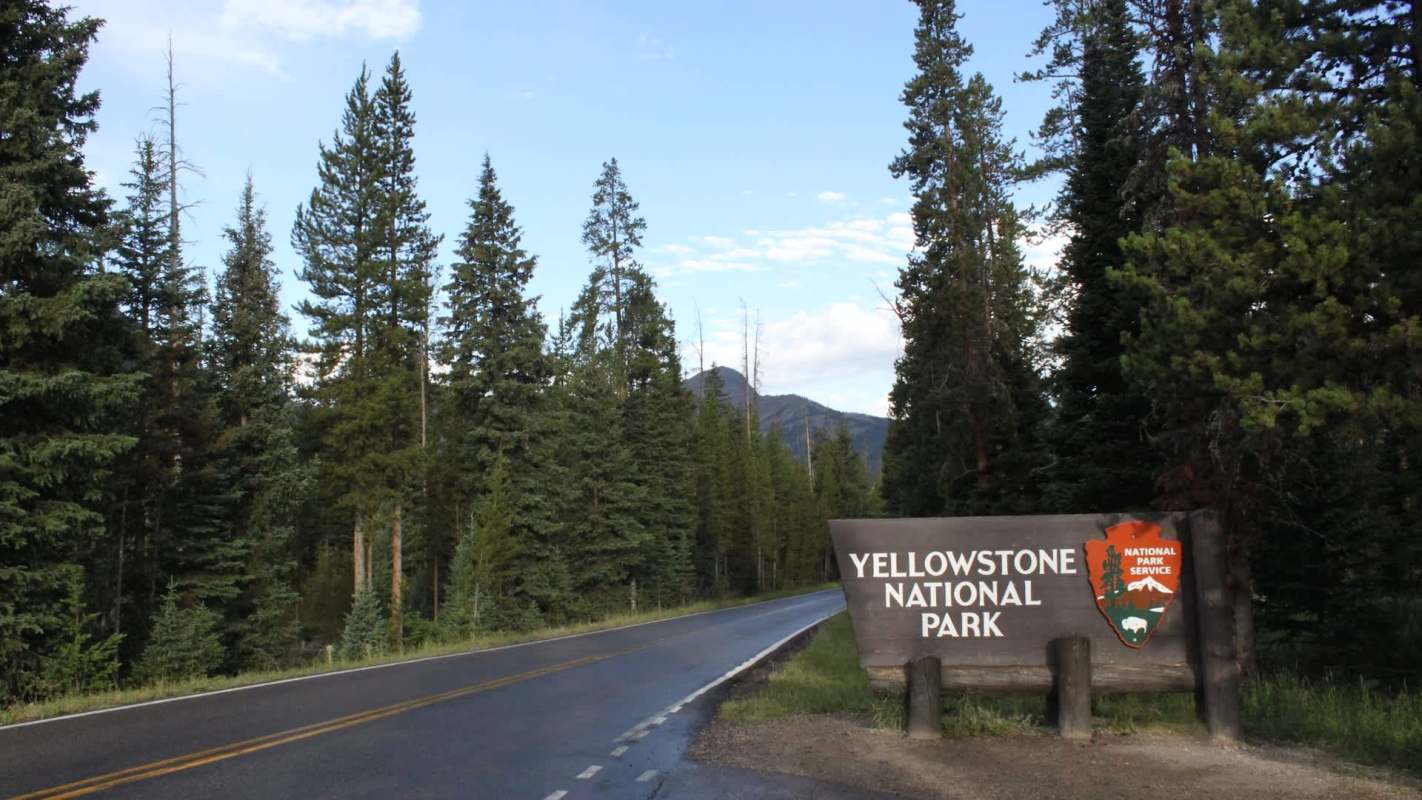
A controversial logging plan near Yellowstone National Park has been scrapped, a move conservationists say will better protect wildlife, public lands, and residents.
According to the Daily Montanan, the U.S. Forest Service has withdrawn the Cooke City Fuels Project, a nearly 20,000-acre proposal near Cooke City, Montana, and an entrance to Yellowstone National Park.
The project was presented as a wildfire-reduction effort, but conservation groups and an individual challenged it in federal court, arguing that it relied on an unproven logging method and posed harm to threatened or endangered species instead of helping them.
According to the Forest Service's plan, the project would have used several techniques to reduce vegetation, including so-called "daylight thinning" around endangered whitebark pine trees.
The idea was to remove nearby trees and brush to help the pines survive. However, the groups challenging the plan said no scientific research backed the approach and that the agency's own records said it could damage whitebark pine stands and degrade habitat for other vulnerable animals, including Canada lynx and grizzly bears.
That matters far beyond one stretch of forest.
TCD Picks » Quince Spotlight
💡These best-sellers from Quince deliver affordable, sustainable luxury for all




Whitebark pine is considered a keystone species, meaning entire ecosystems depend on it. The trees already face multiple threats, including whitebark pine blister rust and shrinking cold-weather habitat as the planet warms. Protecting them helps support broader forest health, wildlife food webs, and the high-elevation landscapes that define the region.
The decision could also benefit everyday people in more immediate ways.
The Forest Service estimated the project would result in a net loss of $2.8 million for taxpayers if it moved forward. Halting the plan means that money will not be spent on a controversial effort that opponents said stretched far beyond the area where wildfire mitigation would directly help the town.
That point was especially important in Cooke City, where the vast majority of residents who commented opposed the project during the public comment process.
While experts predict this wildfire season will be especially bad, and recent cuts will limit the Forest Service, critics argued that the plan leaned too heavily on logging and road work rather than on community-scale protections such as non-flammable roofs and decks, and trimming trees next to homes.
The lawsuit also argued that the project overlooked large areas of designated Canada lynx habitat and that more logging and road construction would disrupt grizzly bear habitat, which is already shrinking.
In that sense, this is more than a local legal victory. It's also a sign that residents and advocacy groups raising concerns can push public agencies to reconsider projects. Conservationists won a similar battle in 2024 with a logging project planned in Utah.
Mike Garrity of Alliance for the Wild Rockies, one of the groups that challenged the plan, summed up the significance of the decision in a statement.
"The Forest Service claimed the project was going to protect Cooke City from wildfire, but the plan called for logging well beyond the wildland urban interface — which is why the vast majority of Cooke City residents who commented opposed the project," Garrity said, according to the Daily Montanan.
He added, "We won on this issue when the federal district court ruled in our favor and stopped the Round Star logging project in the Flathead National Forest."

Get TCD's free newsletters for easy tips, smart advice, and a chance to earn $5,000 toward home upgrades. To see more stories like this one, change your Google preferences here.







