


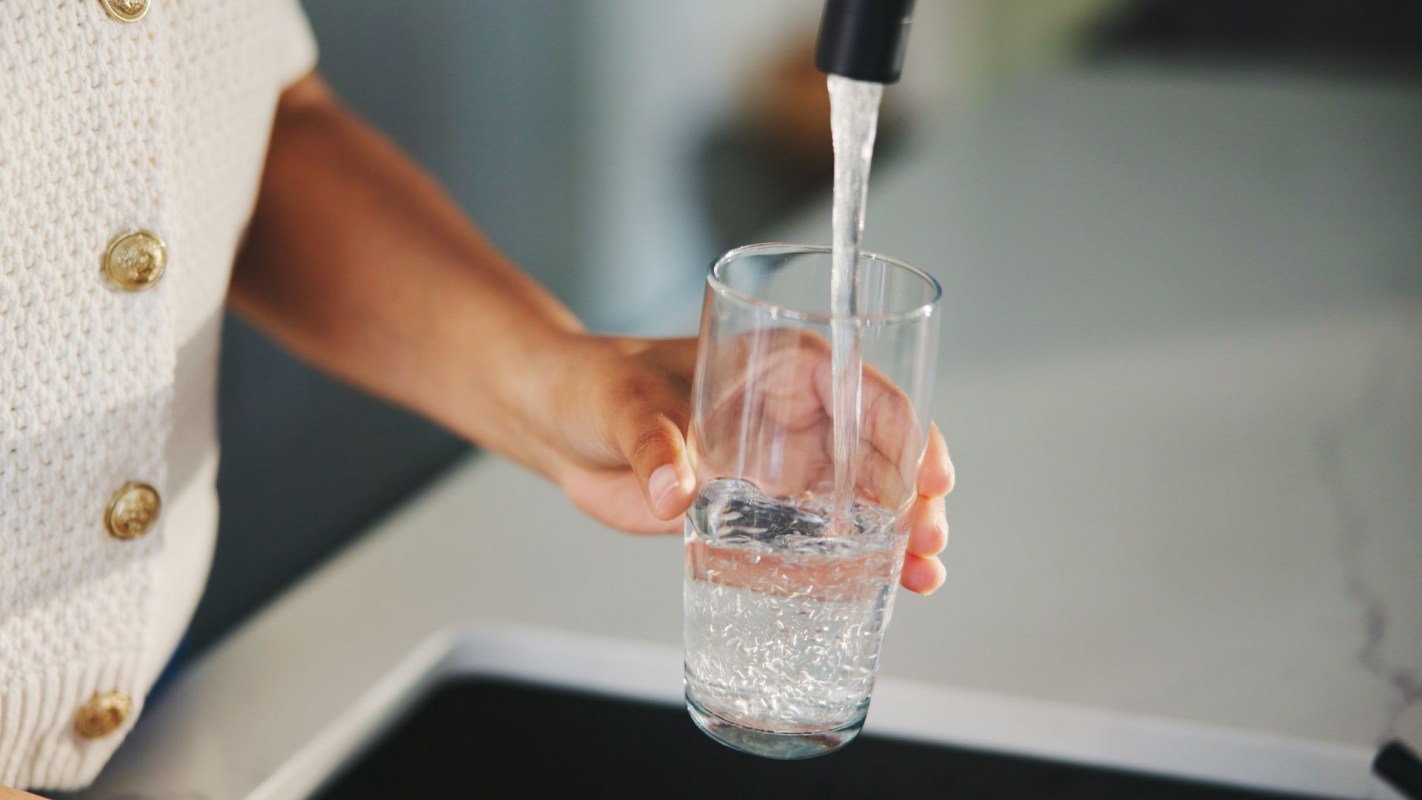
Families in Northwest Georgia spent years drinking, cooking, and making sweet tea with tap water they said was quietly contaminated by toxic "forever chemicals," The Associated Press reported. Residents accuse state officials of failing to warn them as PFAS pollution spread through rivers, drinking water, and even their bodies.
PFAS are a large group of chemicals that have been linked in research to health problems, including thyroid disease, liver damage, and some cancers, though individual illnesses can be difficult to trace to a single source.
An investigation by The Atlanta Journal-Constitution, the AP, and Frontline found that Georgia's Environmental Protection Division largely did not act on mounting evidence of PFAS contamination, even as scientists, neighboring Alabama regulators, and federal officials raised alarms. Residents said that the delay may have left them exposed for decades.
The reporting centers on Calhoun, Georgia, where resident Stormy Bost grew up swimming in local creeks and drinking tap water sourced from the Conasauga River system.
According to the investigation, textile mills in the region used PFAS-containing stain-resistant treatments for years, and some of those chemicals entered wastewater systems and nearby rivers.
University of Georgia testing in 2008 found heavy contamination, and later state and federal tests confirmed that PFAS remained present in the watershed and local drinking water.
TCD Picks » Quince Spotlight
💡These best-sellers from Quince deliver affordable, sustainable luxury for all




Even with those findings, the investigation found Georgia's EPD still did not warn the public with fish advisories or notices against drinking the water.
The investigation also reported that then-EPD Director Carol Couch privately met with carpet company representatives, including Werner Braun, then the carpet institute's director.
Braun told his board that, after the meeting with Couch, the agency had no plans to regulate PFAS. He claimed Couch indicated EPD "would probably look at the issue again in five years."
Since this meeting in 2008, Georgia regulators have intermittently tested its water. Time and time again, the tests showed extensive PFAS contamination.
The state did not post PFAS testing data online until 2020.
The investigation describes tension between Georgia and Alabama after PFAS were detected in Alabama's drinking water in 2016.
Alabama officials sought Georgia's help in finding the source.
Former Environmental Protection Agency official Jim Giattina told reporters that Georgia's EPD was "very defensive" and made no clear commitment to more monitoring.
Meanwhile, contamination concerns expanded beyond rivers.
A riverkeeper later tested runoff from farmland fertilized with sludge and found PFAS levels far above federal drinking water standards, prompting legal action and a 2024 settlement requiring Calhoun to add filtration and stop spreading sludge.
What this investigation underscores is that health guidance, testing, and enforcement often move slowly. When agencies wait for federal rules, communities can remain exposed while contamination continues circulating through water systems.
That delay can also become enormously expensive for residents and local governments.
Cities in Georgia are now facing massive filtration costs, and lawsuits are mounting over who should pay. Rome, Georgia, is using settlement funds to build a $100 million treatment plant, while Calhoun and Dalton have sued carpet makers and chemical suppliers.
Other states, including Wisconsin, Michigan, and Maine, have already committed major funding to testing and cleanup, highlighting how PFAS threats are being addressed differently across the country.
For Bost, the issue is painfully personal.
The 34-year-old has liver and thyroid conditions that studies have associated with the forever chemicals. Blood tests show her PFAS levels are higher than the national health guidelines consider safe.
"There's a lot of us and we're sick," she told the AP. "We don't know what's next."

Get TCD's free newsletters for easy tips, smart advice, and a chance to earn $5,000 toward home upgrades. To see more stories like this one, change your Google preferences here.






