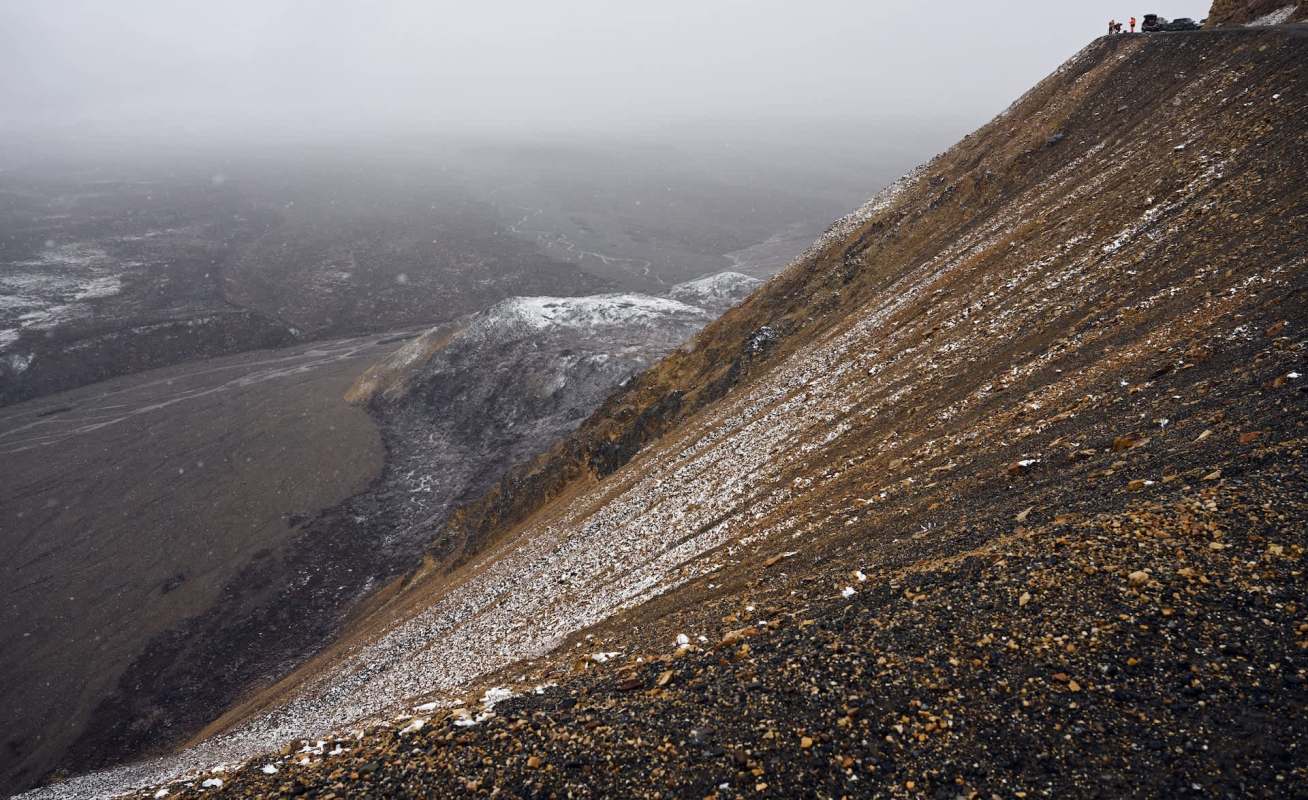
On Aug. 10 of last year, a massive wave surged up the walls of Tracy Arm Fjord in southeast Alaska, climbing more than 1,578 feet up a cliff face before the tsunami rushed back down the inlet.
According to a report from The New York Times, the initial wave resulted from a massive landslide. Recent research investigating the event shows how difficult it is to predict such catastrophic geological slides.
Geologist Bretwood Higman and an international team of researchers used computer models to recreate the landslide and the following tsunami.
The research showed it was the second-largest landslide-generated tsunami on record and was preceded by a rapid retreat of the South Sawyer Glacier, which exposed and destabilized the surrounding rock face. With the sloping rock left unsupported, it eventually collapsed, triggering the massive wave.
The Times explained that similar shifts in landmasses are occurring more as glaciers retreat and once-frozen-solid soils begin to thaw. As these conditions progress, so does the possible likelihood of similar massive landslide events.
Several other geologists and researchers observed this trend over the years, raising concerns about its potential impacts in places around the globe.
TCD Picks » Quince Spotlight
💡These best-sellers from Quince deliver affordable, sustainable luxury for all




In the heavily visited Tracy Arm Fjord, the risk of landslide-triggered tsunamis is very real. Last year's event swept away gear from campers and kayakers and was detected by vessels as far as 50 miles away.
When the tsunami hit early in the morning last year, The Times noted, not many tourism boats or cruise ships were in the fjord. However, had the event occurred during a more popular time of day, Higman said the wave would have been "unsurvivable."
Dan Shugar, a University of Calgary geomorphologist and the study's lead author, said that as glacial tourism and exploration for Arctic oil and gas expand, so does the risk to human life, per the Times.
"We, as a global society, are putting more infrastructure and people in harm's way," Shugar said.
Although federal and state agencies are working to identify slopes at risk of collapse, Shugar explained that the Tracy Arm landslide happened without warning, raising questions about how effective current detection efforts can be.
"The bar is, can we do better than missing most of these?" said Noah Finnegan, a geomorphologist at the University of California, Santa Cruz, per The Times. "So getting a handle on why these precursors happen and what their relationship is to catastrophic collapse is an area many people are interested in."
Stephen Hicks, co-author on the Tracy Arm study and seismologist at the University College London, explained that this event casts a spotlight on how climate change has impacted the ground beneath us.
"When we think about climate change, we think about impacts in the atmosphere and rising sea levels," he said, per The Times. "We sort of look up and across, but we don't often look down," he added, but now, "the ground has moved beneath all our feet."

Get TCD's free newsletters for easy tips, smart advice, and a chance to earn $5,000 toward home upgrades. To see more stories like this one, change your Google preferences here.