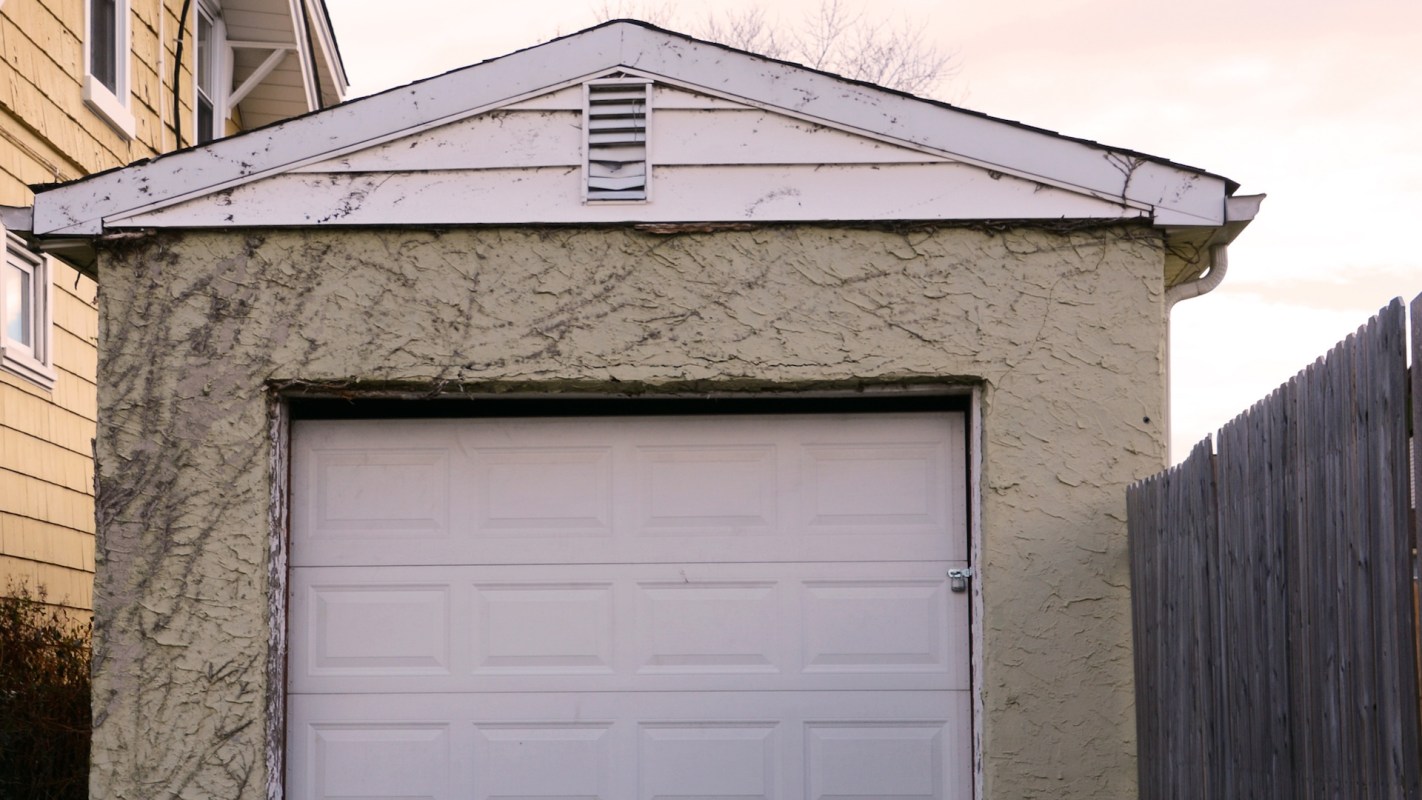
A Utah widow was told she had four weeks to move her entire garage or risk losing power.
As KSL Investigators reported, Tanya Porter said Rocky Mountain Power sent her a letter claiming her detached garage blocked access to a power pole and would need to be moved, or her electric service would be disconnected.
After KSL began asking questions and the company conducted a site visit, Rocky Mountain Power said it had found another way to address the issue — a sudden reversal that raises concerns about how major utilities communicate with customers when the consequences are so severe.
Porter's garage was built in 1977 around a pole that appears to have been installed the year before. The roof eaves were even cut to accommodate it.
Porter, who bought the home with her late husband in 2011, said the arrangement had never caused power problems for her or her neighbors. Still, she received a letter that cited Utah Public Utilities Commission rules requiring property owners to give utility crews access for maintenance, giving her just four weeks to comply.
"I just lost my husband in December," Porter told KSL. "The letter came on the three-month anniversary of his death."
TCD Picks » EDF Spotlight
💡EDF's Vital Signs newsletter delivers stories about game-changing solutions close to home and around the world




She asked Rocky Mountain Power if there were any other options.
"They said, literally, the only thing I can do is to move my garage," Porter noted. "That is my only option."
The letter also failed to explain basic details, including how far the structure would need to be moved or what kind of clearance was actually required, leaving Porter to navigate a major and potentially expensive problem with little guidance.
"They're threatening me if I don't move it that they're going to disconnect my service," she said.
TCD Picks » Quince Spotlight
💡These best-sellers from Quince deliver affordable, sustainable luxury for all




Rocky Mountain Power did not directly answer KSL's questions about what had changed after all these years or why the original letter was written so forcefully.
However, a spokesperson told the outlet that the company had "initially assumed, incorrectly, that the structure was a small shed, rather than a full-sized garage."
After visiting the property, the utility said it found another way to deal with the pole, opting to replace it rather than force Porter to uproot an entire garage.
KSL also noted that Porter's setup may have complied with the rules when it was built in the 1970s, but constructing something comparable now would likely be prohibited.
Still, structures that were lawful when first built are generally allowed to remain even if newer standards would not permit them.
For homeowners in situations like this, clear communication is essential.
If access requirements or safety standards change, utilities have a responsibility to explain the issue plainly, outline realistic options, and avoid immediately escalating to threats before basic questions have been answered.
Otherwise, what may be a manageable infrastructure issue can quickly become an unnecessary personal emergency.
After Rocky Mountain Power found another solution, Porter added, "I hope they rescind their letter. I hope they don't turn off my power."

Get TCD's free newsletters for easy tips, smart advice, and a chance to earn $5,000 toward home upgrades. To see more stories like this one, change your Google preferences here.
Cool Picks