


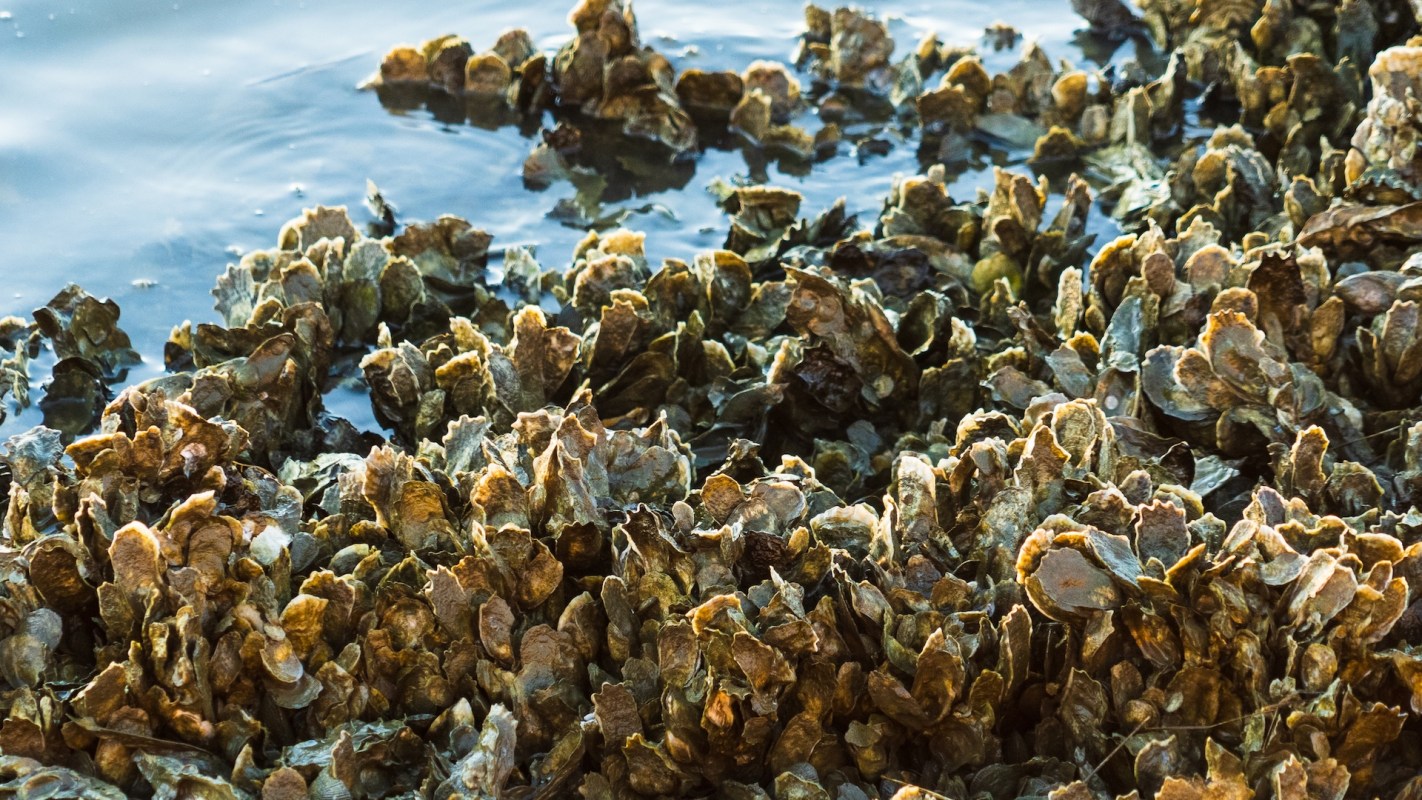
A new kind of cement inspired by oyster reefs may offer a path to tougher, faster-setting building adhesives and materials.
By looking at how oysters use a "natural cement" to bind themselves together underwater, researchers at Purdue University say they have developed a biological formula that strengthens cement mixes.
"We have been working to understand what oyster cement is and what makes it such a strong adhesive. One of our goals is to develop materials that can replicate the strength and functionality of biological materials," said Jonathan Wilker, a professor of chemistry and an expert in adhesives and biomimetic materials innovation.
The work draws from a natural system that has functioned for hundreds of millions of years. Purdue says the patent-pending research suggests oyster-style chemistry could be used to improve conventional cement, with the long-term goal of making construction materials stronger, more sustainable, and less expensive.
A key point in the research is that cement and concrete are not interchangeable.
Cement is a binding ingredient, while concrete is the hardened material made from cement and other components. That difference matters because improving the binder could improve the material as a whole.
TCD Picks » Quince Spotlight
💡These best-sellers from Quince deliver affordable, sustainable luxury for all




Wilker noted that concrete is the most-produced human-made material in the world, yet traditional formulations can still be brittle despite their strength under compression.
When the researchers examined oyster cement, they found something unusual: It is mostly inorganic. The team of researchers reported that the material is made up largely of calcium carbonate — essentially chalk — with only about 12% organic material.
This composition stands out because most commercial adhesives are organic compounds, and many of them are petroleum-based. Even with such a small organic fraction, oyster cement still provides strong adhesion, including in wet environments.
To recreate that chemistry, the team used limestone bathroom tiles, which are composed of the same calcium carbonate that comprise oysters' shells, and developed a cement recipe based on the oyster system.
In testing, the scientists made blocks about the size of sugar cubes and measured their compressive strength. They also bonded tiles together and pulled on them until they failed.
The researchers found that in nearly every test, the tile itself broke before the bond gave way.
The team then added a polymer from its oyster-inspired cement to a standard just-add-water concrete mix purchased from a hardware store. The resulting material stuck about 10 times more strongly, showed roughly twice the compressive strength, and cured more quickly.
If these results can be scaled up, the implications could extend beyond performance.
More durable materials last longer and need less replacement, and more efficient cement formulations could reduce the environmental impact of one of the world's most widely used building materials.
"There is so much more that we can learn from nature and so many new materials that we can design," Wilker said. "... By using technology from shellfish, we may be able to enhance performance and increase the sustainability of cements and concretes."

Get TCD's free newsletters for easy tips, smart advice, and a chance to earn $5,000 toward home upgrades. To see more stories like this one, change your Google preferences here.







