


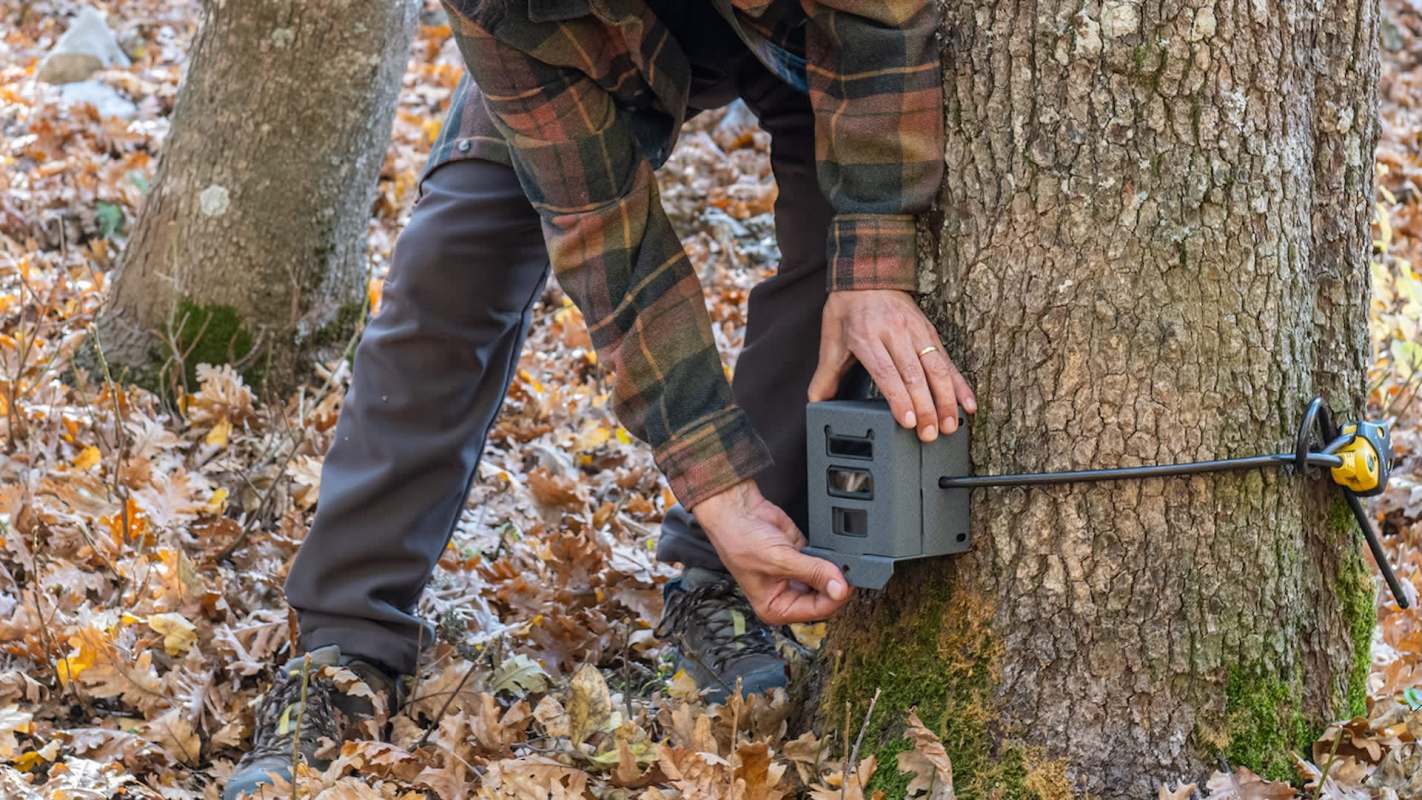
A new conservation project in Guatemala's Maya Biosphere Reserve is giving forests something they've long lacked: ears.
Using AI-powered bioacoustic devices, researchers and rangers hope to detect chainsaws, gunshots, and other signs of illegal activity far sooner than patrol teams can, Mongabay reported.
Rather than simply recording everything for later review, the devices relay brief clips plus metadata such as location and timestamps by satellite to an online repository that researchers and rangers can access.
The need for these listening devices is urgent in a reserve that continues to lose thousands of hectares of forest to illegal logging and settlements.
"They're basically giving us ears in the forest to detect and address threats in a much quicker and much more efficient manner," said Jeremy Radachowsky, Mesoamerica and Western Caribbean director of the Wildlife Conservation Society.
The Maya Biosphere Reserve covers about 2.1 million hectares, or 5.2 million acres, in northern Guatemala and includes national parks, biological corridors, and logging concessions.
TCD Picks » Quince Spotlight
💡These best-sellers from Quince deliver affordable, sustainable luxury for all




One of the biggest obstacles for conservation teams across the reserve has been how long it takes to spot and respond to damage. Rangers may only reach a given site every few months, which means hunting, clearing, or settlement activity can remain undetected until well after the fact.
This delay has consequences.
In March, rangers came across hunted bird feathers and cleared paths that led to a roughly 2-hectare, or 4.9-acre, opening in the forest, an area believed to have been prepared for squatters.
By the time they arrived, those responsible for the clearing were gone. Even with patrols and camera traps in place, there was little ability to catch the deforestation as it happened.
The new network of "forest ears" is designed to close that gap. The effort is part of the Bezos Earth Fund's $100 million AI for Climate and Nature Grand Challenge, which supports projects that use artificial intelligence to address biodiversity loss, the changing climate, and food insecurity.
Still, this AI-based technology is flawed. Because of power constraints, updates may be sent only periodically, sometimes after minutes, hours, or longer. Rangers must still travel into remote areas, a process that can stretch over days.
The team is also working to cut down on false positives since unreliable alerts could make field staff less likely to trust what the system is telling them.
If the approach works, the benefits could extend well beyond enforcement.
Faster detection could protect forests and preserve habitat. Project leaders also say the work is part of a broader data fusion strategy, with sound-based alerts used alongside drones, camera traps, satellite information, and field observation to build a more coordinated conservation approach.

Get TCD's free newsletters for easy tips, smart advice, and a chance to earn $5,000 toward home upgrades. To see more stories like this one, change your Google preferences here.







