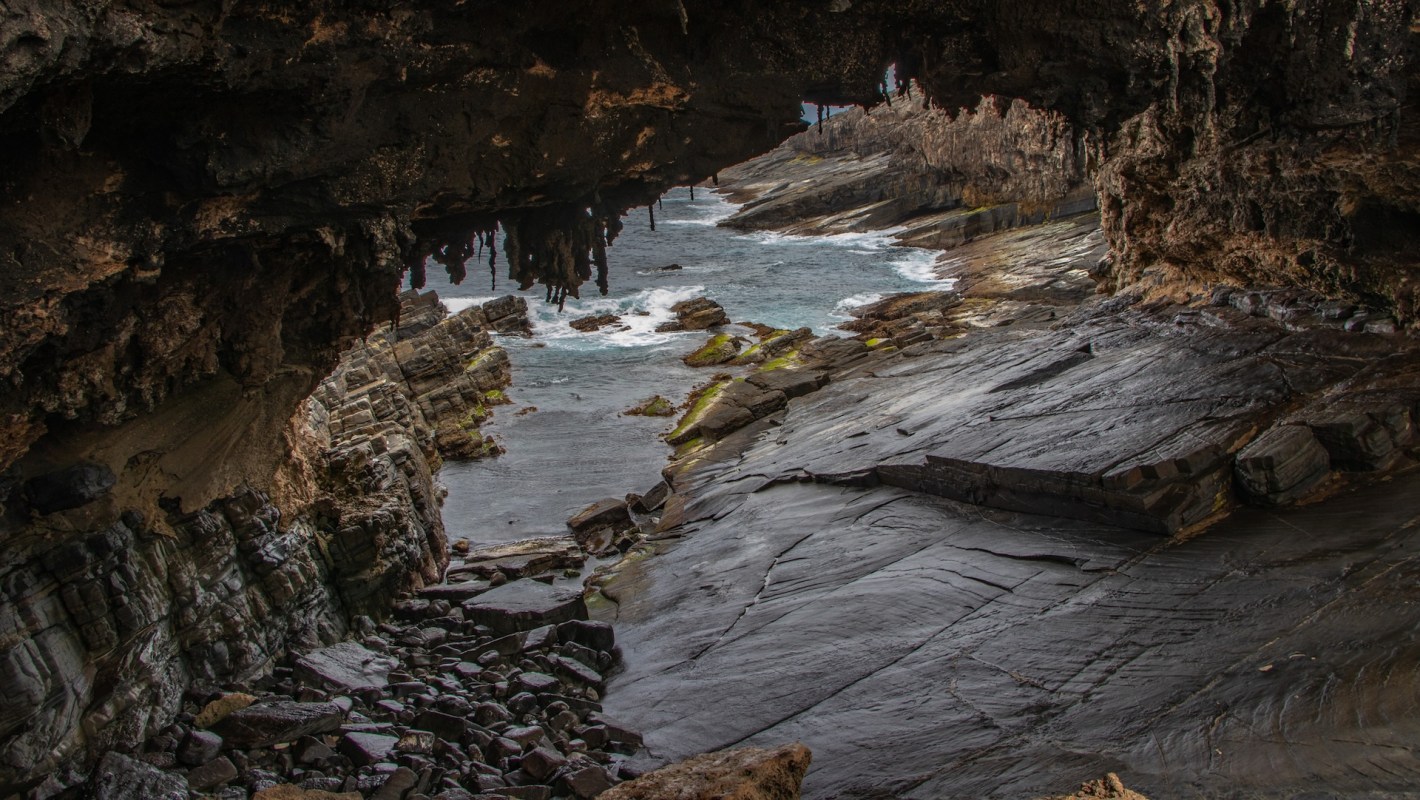
Beneath the muddy floor of a lagoon on Kangaroo Island, scientists uncovered a 7,000-year record of wildfire history, offering a sharper view of what worsening fire seasons could mean for one of Australia's most distinctive ecosystems.
The findings, published in Global and Planetary Change and described in The Conversation, arrived in the wake of the devastating Black Summer bushfires in 2019-20, when two people died, about half the island burned, and almost all vegetation went up in flames.
By analyzing ancient charcoal preserved in sediment at Lashmars Lagoon, the researchers reconstructed how climate, vegetation, and human presence influenced fire patterns on the island over thousands of years.
To find out whether fires of that scale were truly unprecedented, the team collected a 7-meter sediment core from Lashmars Lagoon in 2020. The mud contained thousands of charcoal fragments from ancient fires along with pollen and other evidence of shifting plant life.
Using updated dating techniques and new analysis methods, the team revisited earlier ideas about the island's fire history and the role people may have played in shaping it.
The study found that the last reliable evidence of people living on the island dates back roughly 5,000 to 6,000 years. After people left, denser and shrubbier vegetation became established.
TCD Picks » Quince Spotlight
💡These best-sellers from Quince deliver affordable, sustainable luxury for all




Even with more fuel, fires remained relatively uncommon for another 3,000 years while the climate stayed wet.
Fire activity picked up over the last 2,000 years and became prominent around 700 to 900 years ago. Researchers connected this shift to the drying climate, potentially linked to changes in southern westerly winds.
This evidence stands apart from patterns on mainland Australia, where fire activity in the southeast was lower over the same period. The difference suggests Indigenous stewardship may have helped suppress bushfires elsewhere even as conditions became drier.
Kangaroo Island's biodiversity appears to have endured major swings in both fire and climate before. The researchers cautioned that today's combination of declining water resources and more frequent and intense fires may stress those ecosystems in new ways.
For communities everywhere, worsening extreme weather disasters are not just environmental stories. They are also public health, safety, and economic stories. More intense fires can put lives at risk, worsen air quality, destroy homes, and dismantle economies reliant on tourism and agriculture.
As climate conditions become more unstable, understanding these long-term patterns can help communities better prepare for what lies ahead.

Get TCD's free newsletters for easy tips, smart advice, and a chance to earn $5,000 toward home upgrades. To see more stories like this one, change your Google preferences here.