


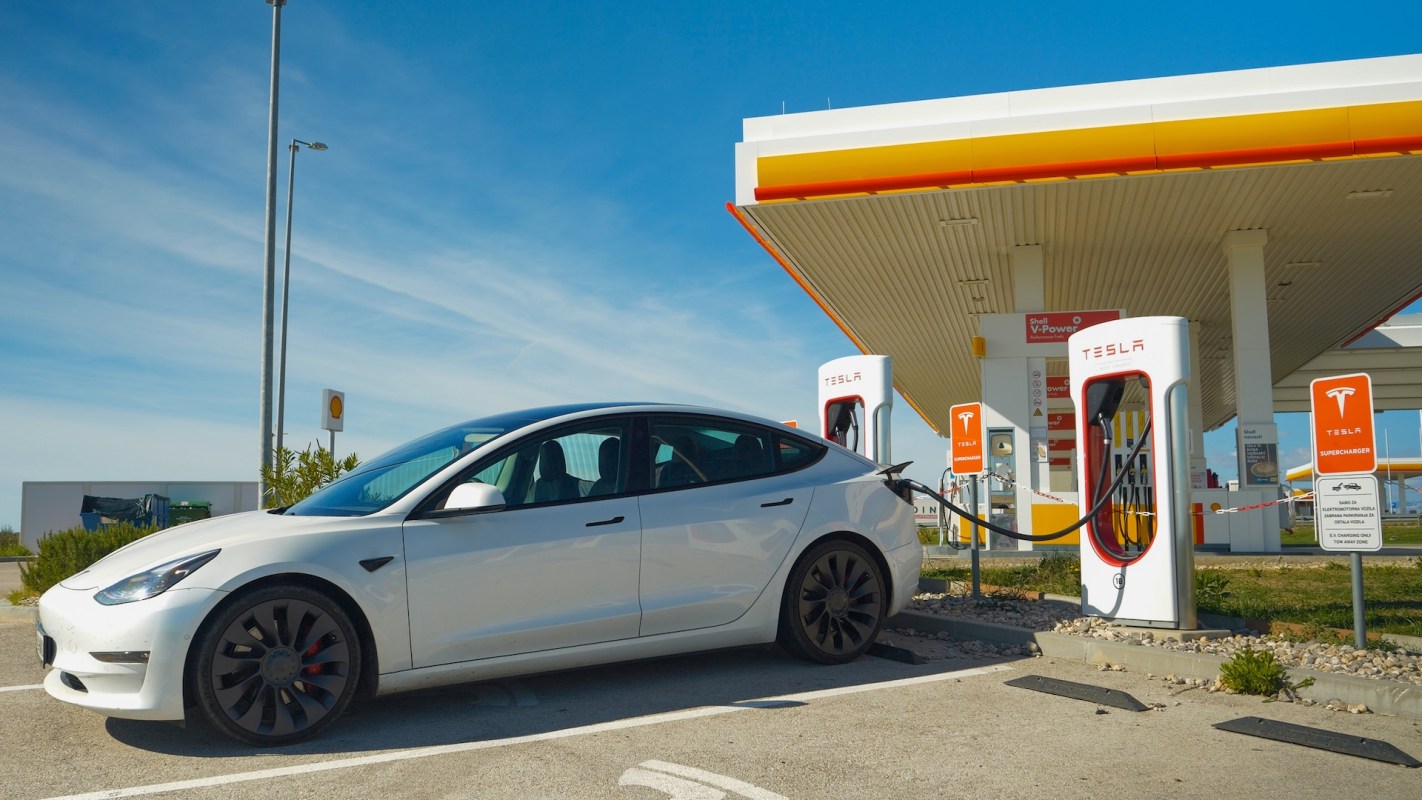
You've probably heard that driving an electric vehicle is cheaper than driving a gas car, but you may be underestimating just how much you could save by making the switch. That's why one driver took to Reddit to share a real-world cost comparison between operating their Tesla and a non-electric Nissan Rogue.
The original poster explained their findings on the r/TeslaModelY subreddit.
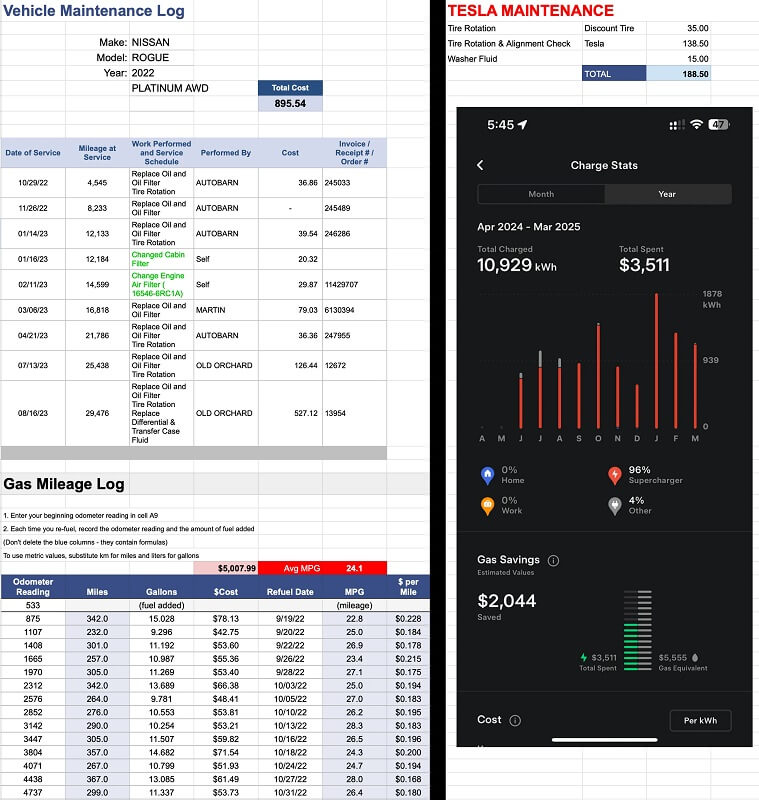
"Just hit 30,000 miles on my 2024 Tesla Model Y LR and wanted to share a cost comparison between my Tesla (mostly Supercharger use) and a 2022 Nissan Rogue Platinum AWD (ICE vehicle)," they wrote.
According to the original poster, after 30,000 miles, the Tesla racked up just $188.50 in maintenance costs compared to $859.54 for the Nissan Rogue. The gap was also clear in energy costs, with the Rogue spending a little over $5,000 on gas, while the Tesla used about $3,500 in public charging.
In total, the driver found they saved around $2,200 by ditching their gas car for an EV. "I believe my charging costs would be significantly lower — possibly cut more than half — if I could charge at home," the OP said.
It's true, charging at home can cost as little as half as much as using public stations. And while home charging is typically slower, a Level 2 charger like those offered by Qmerit can easily provide enough power to cover most daily driving needs.
Commenters under the Reddit post weighed in with their own thoughts on the driver's calculations.
"In NY, [charging is] about 1/4 the price of gas," one wrote.
Save $10,000 on solar panels without even sharing your phone number Want to go solar but not sure who to trust? EnergySage has your back with free and transparent quotes from fully vetted providers in your area. To get started, just answer a few questions about your home — no phone number required. Within a day or two, EnergySage will email you the best options for your needs, and their expert advisers can help you compare quotes and pick a winner. Solar panels can save you more than $50k over their 25-year lifespan, and EnergySage can help you save as much as $10k on installation. Which begs the question — isn't that worth an email or two? |

"Charging at home … is 20% the fuel cost that my 20 mpg SUV was," another added.
"We are averaging less than $100 for every 5,000 miles on ours," another said.
If these calculations and comments have you curious about EV driving or charging at home, Qmerit offers free resources to help you get started with a Level 2 setup.
With Qmerit, you can connect with a vetted installer and get quick, competitive installation quotes.
For EV drivers looking to save even more, consider adding home solar. By charging with energy generated from the sun, you can power your car with low-cost or even near-zero-cost electricity.

Get TCD's free newsletters for easy tips, smart advice, and a chance to earn $5,000 toward home upgrades. To see more stories like this one, change your Google preferences here.






