


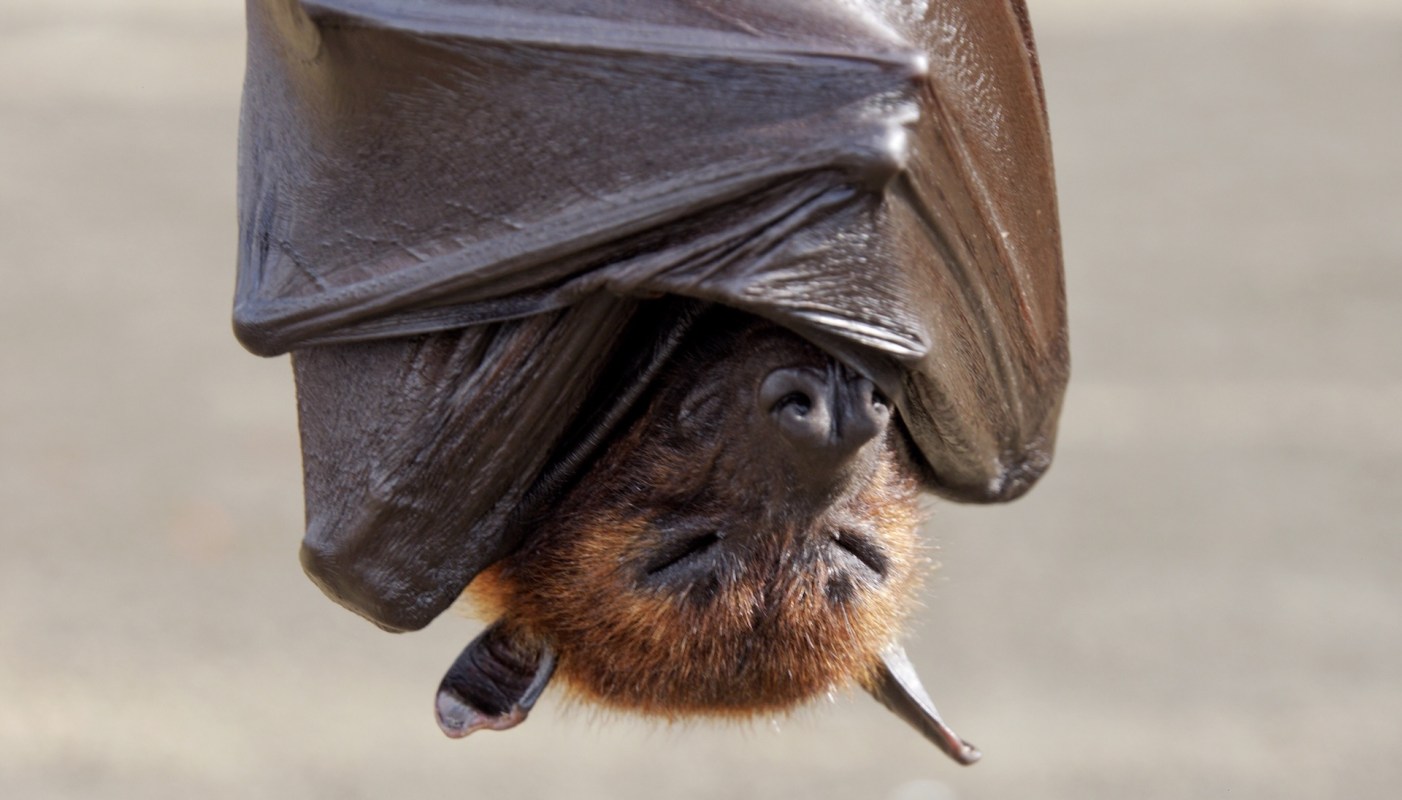
The once predictable migration of nectar-loving bats isn't so predictable anymore. New evidence shows that endangered Mexican long-nosed bats — a species already teetering on the brink with fewer than 10,000 individuals — are flying farther north than ever before in search of the sweet nectar their survival depends on.
What's happening?
According to a summary of the findings posted to Phys.org, scientists and conservationists said that drought and shifting climate patterns are robbing traditional bat habitats of flowering agaves — the desert succulents that fuel the bats' long migrations from central Mexico into the Southwest United States.
Instead of stopping in familiar locations like Big Bend National Park in Texas or New Mexico's Bootheel region, recent DNA evidence shows these bats pushing roughly 100 miles beyond their previously known range as they chase flowering plants that are becoming scarcer where they once flourished.
The northward shift may sound like range expansion, but ecologists say it's a red flag. When food sources dry up, bats spend more energy on longer journeys just to remain full, which is dangerous for an already vulnerable species.
Why are shifting bat migratory patterns concerning?
These bats are critical pollinators for agaves, including species used to make tequila and mezcal, but more importantly, they help sustain entire desert ecosystems. When bats feed on nectar, they transfer pollen from plant to plant, ensuring that agaves can reproduce and continue to stabilize fragile desert soils.
Without that partnership, both species suffer — and the ripple effects don't stop there. Agaves take years, sometimes more than a decade, to flower. If drought and rising temperatures disrupt that cycle, there's no quick fix. And because female bats have just one baby per year, population recovery is painfully slow.
TCD Picks » Quince Spotlight
💡These best-sellers from Quince deliver affordable, sustainable luxury for all




Since bats must fly farther north to survive, this can weaken their immune systems and reduce reproductive success. For an endangered species, any additional stress could push its numbers dangerously low.
"So you're not going to get huge population rebounds quickly. You have to really work to maintain those levels," Kristen Lear, director of the Agave Restoration Initiative at Bat Conservation International, said.
What's being done to help the bats?
Conservation groups, led by Bat Conservation International and more than 100 partners across the U.S. and Mexico, have tried to fight back. Since 2018, volunteers and scientists have planted roughly 185,000 agaves along what they call a "nectar corridor," aiming to create a string of refueling stops across the Southwestern U.S.
Individuals can help by donating to wildlife groups and switching to electric appliances and vehicles, which reduces environmental strain.

Get TCD's free newsletters for easy tips, smart advice, and a chance to earn $5,000 toward home upgrades. To see more stories like this one, change your Google preferences here.







