


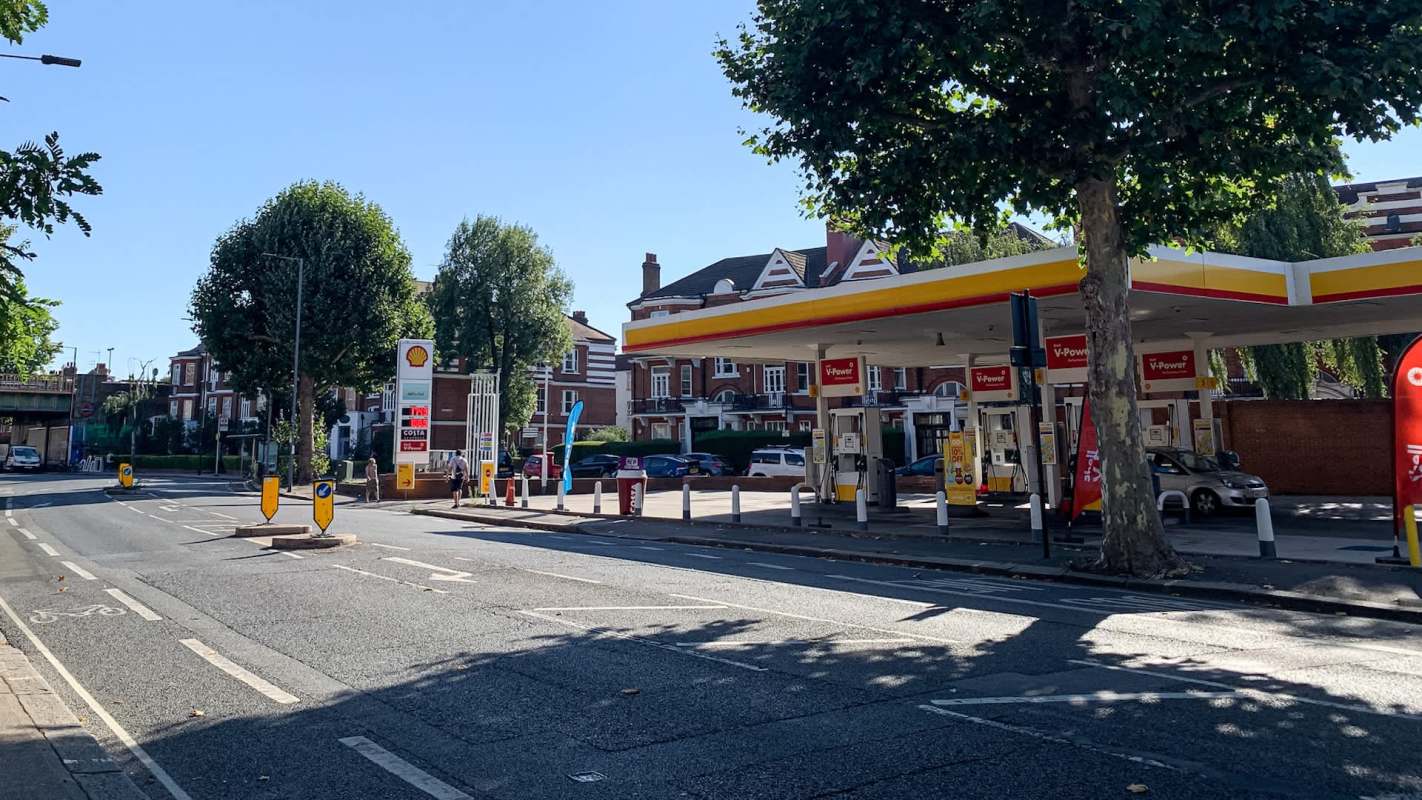
A new study is drawing attention to a common feature of many neighborhoods: gas stations.
Researchers in Canada tracked health records from birth and found that living close to a gas station was linked to a greater risk of childhood leukemia. This finding adds to concerns that everyday exposure to air pollution and hazardous chemicals could contribute more to childhood cancer than previously understood.
A research team led by Université de Montréal professor Stéphane Buteau investigated whether proximity to gas stations was associated with cancer risk in children. Their findings were published in the journal Environmental Pollution.
Childhood cancer can have lasting consequences well beyond treatment. Even when children survive, they may still face serious long-term health effects.
These findings indicate that cancer risk could be influenced by pollution exposure during pregnancy or early childhood, stages when development is especially sensitive to environmental harm.
Gas stations were the focus of this research because gasoline contains benzene, a cancer-causing chemical that has been associated with leukemia and other major health issues in adults. Benzene can enter the air during fuel storage, tanker-truck deliveries, and when drivers fill their vehicles.
TCD Picks » Quince Spotlight
💡These best-sellers from Quince deliver affordable, sustainable luxury for all




A 2023 Health Canada study concluded that benzene from gas-station pollution may pose unacceptable health risks to nearby residents. What has remained uncertain is how that exposure might affect fetuses and young children. This new study adds support to the possibility that the risk is meaningful.
Using provincial health data from Quebec, the team tracked children from birth and compared cancer diagnoses with residential locations at birth.
To estimate potential exposure, the researchers counted gas stations within 250 meters (820 feet) of a child's postal code, measured the distance to the nearest station, and used a combined measure that reflected both proximity and station density.
The analysis found that children born within 250 meters of a gas station faced a higher risk of childhood leukemia, even after accounting for factors such as socioeconomic conditions, urban or rural setting, maternal characteristics, and nearby traffic. The association grew stronger the nearer a child lived to a station, with the highest risk seen within 100 meters (328 feet).
The study has limitations. For example, it relied on postal code at birth as a proxy for exposure during pregnancy and early childhood, and it did not include complete residential histories for all children. As a result, the research does not establish that gas stations directly caused leukemia.
One encouraging detail emerged from the study: The association between gas stations and childhood cancer was weaker in Montreal, where municipal regulations require vapor recovery systems that cut the emission of volatile organic compounds during fueling.
That finding suggests policy steps may help lower exposure. The researchers said similar requirements could be expanded across Canada, along with buffer zones to prevent new homes, schools, and daycares from being built too close to gas stations.
The team is also studying other sources of pollution, including industrial carbon pollution and particulate matter, to better understand how environmental exposures may contribute to childhood cancers.

Get TCD's free newsletters for easy tips, smart advice, and a chance to earn $5,000 toward home upgrades. To see more stories like this one, change your Google preferences here.






