


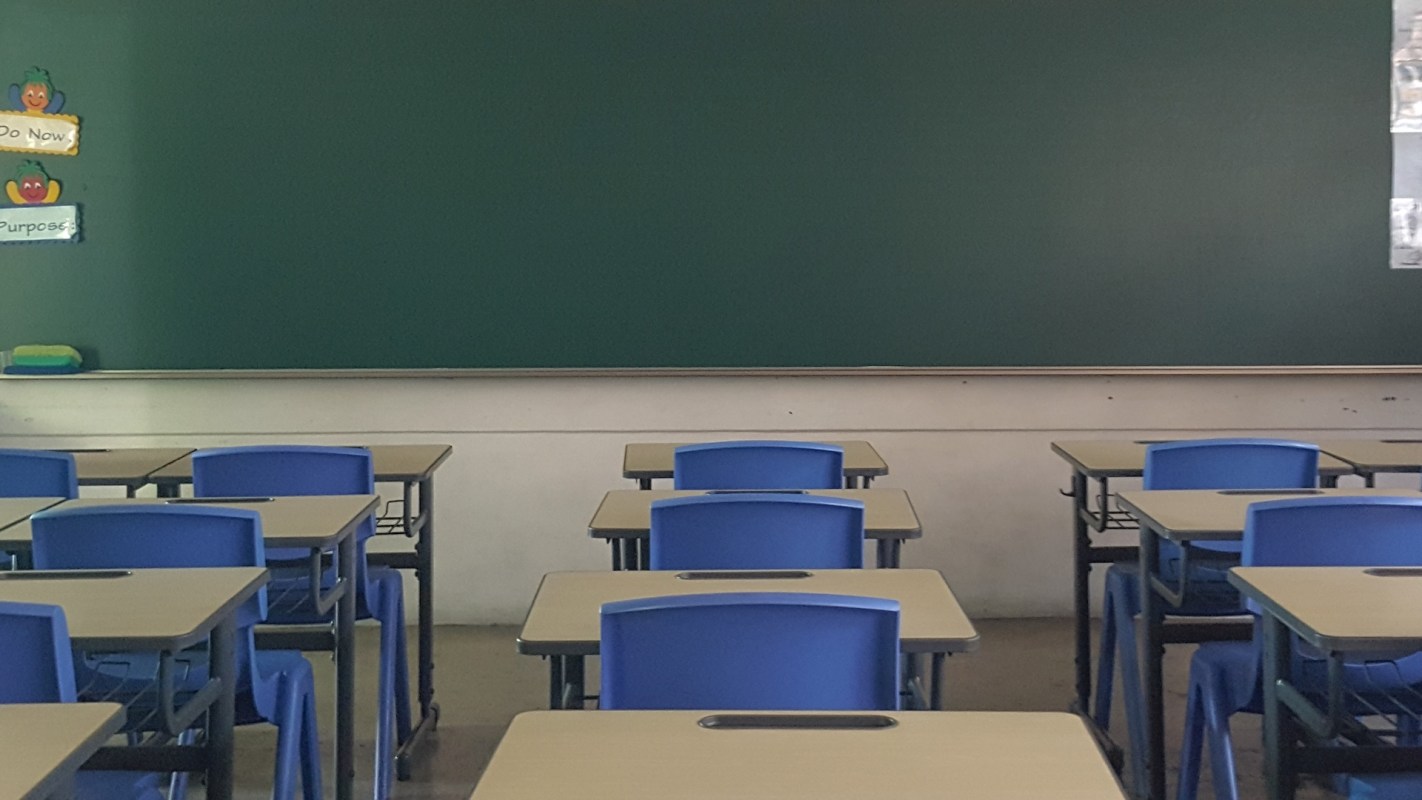
California school officials are raising concerns about planned power outages and their impacts on students and budgets.
According to CalMatters, utility companies in California are proactively shutting off power to reduce wildfire risk during severe weather events, which are driven by rising global temperatures. School districts say these outages are taking a significant financial toll and disrupting local families.
Schools and districts can be notified as little as an hour before a blackout occurs. To counteract any classroom disruptions, some districts are redirecting funds to buy backup energy solutions.
In 2025, the Val Verde Unified School District spent $500,000 on battery storage. While some officials questioned whether those funds could have been better used elsewhere, pairing backup batteries with clean energy technologies, such as solar panels, can be a valuable investment, helping reduce long-term energy costs.
In fact, every U.S. state now has at least one school powered in part by solar panels, and when paired with battery storage, those systems can keep the classroom lights on even when the grid goes down.
Solar panels and batteries can also be a worthwhile investment for homeowners. To see how much you can save on your home energy costs, connect with the experts at EnergySage for information on battery storage options and competitive solar installation quotes.
As Lynn La from CalMatters pointed out, school outages can have disproportionate effects on low-income families and students with disabilities.
"Because schools serve as community hubs, students not only miss a day of learning, but families also go without vital services, including free meals and child care," she wrote.
Crushed by your bills? See instant solar savings from vetted installers in just a few clicks With energy prices through the roof, there's never been a better time to go solar — and EasyHome can help you find the best prices from the best installers in your area. EasyHome takes the guesswork and headaches out of energy upgrades by showing you estimated savings from a network of vetted local partners. To get started, just enter your ZIP and share a few details about your home — seeing your estimate is really that easy. |

Melissa Kasnitz, legal director for the Center for Accessible Technology, said that while utilities invest heavily in models to predict when and where wildfires might ignite, another critical issue is often overlooked.
"[Utilities] put a lot of time and effort and money … to calculate the risk of a wildfire actually starting in certain weather conditions," Kasnitz said. "What they have not done is put any fraction of effort into evaluating the risk of what happens when you turn people's power off."
Although battery backups are often a significant investment, they offer reliable backup power when grid-provided energy goes down. Depending on the scenario, schools can also dodge peak electricity pricing by using stored energy when grid rates are high and charging batteries during off-peak hours.
If you want to avoid rising energy costs, keep your home safe during outages, or even cut ties with the grid entirely, consider using the free tools from EnergySage to invest in energy storage. To make sure you get the best price possible for home battery solutions, EnergySage has partnered with the experts at Qmerit.
If you're looking for an energy storage upgrade that is cheaper and simpler to install than a whole-home battery setup, check out Pila. Its plug-and-play batteries are priced much lower than whole-home options and offer significant power for your appliances.

Get TCD's free newsletters for easy tips, smart advice, and a chance to earn $5,000 toward home upgrades. To see more stories like this one, change your Google preferences here.






