


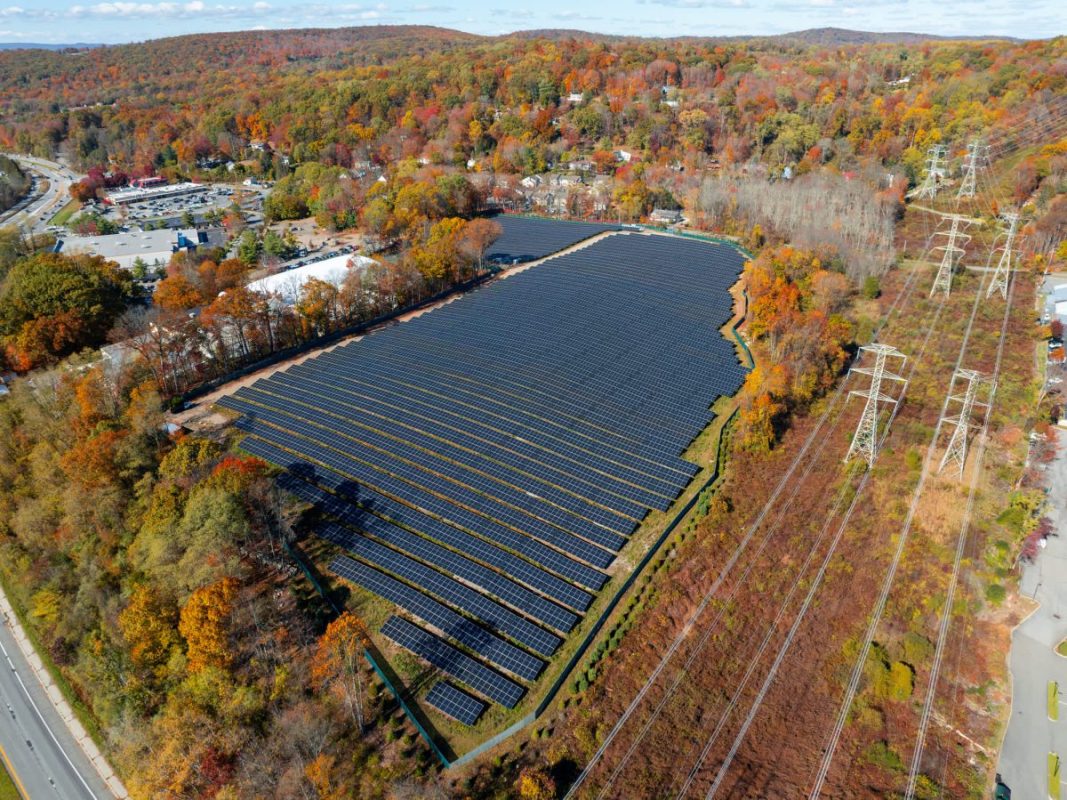
Community solar projects in California may soon be more difficult to get off the ground following a proposed decision surrounding energy compensation rules in the state.
According to an early April report from PV Magazine, the Solar Energy Industry Association said a proposed decision on community solar rules from the California Public Utilities Commission will prevent future community solar projects.
The solar-industry-backed rule, called the Net Value Billing Tariff, is a rate designed to compensate electric grid export on the hourly value of the electricity generated. The solar industry claims the NVBT is essential to secure private financing and support community solar projects serving low-income subscribers.
However, instead of approving the NVBT, the California Public Utilities Commission has opted for a structure based on the Avoided Cost Calculator, which estimates what the utility "avoids" paying to buy power elsewhere.
While investing in solar is one of the best ways to save on energy costs and curb rising electricity rates, the return on investment and financing options are highly dependent on your local utility rules and prices.
For many, rooftop solar is a worthwhile home improvement that can earn over six figures in bill savings over the lifetime of the system, but it is important to fully understand your situation before installation. To figure out what solar plan is best for your home and budget, connect with the experts at EnergySage.
Solar advocates argue the proposed rate in the CPUC decision is volatile and too low to support project construction vital to getting the new community solar market off the ground.
With California ratepayers seeing all-time-high prices, the SEIA argues that the new rules would waste an opportunity to provide relief to low-income residents.
Save $10,000 on solar panels without even sharing your phone number Want to go solar but not sure who to trust? EnergySage has your back with free and transparent quotes from fully vetted providers that can help you save as much as $10k on installation. To get started, just answer a few questions about your home — no phone number required. Within a day or two, EnergySage will email you the best local options for your needs, and their expert advisers can help you compare quotes and pick a winner. |

"The decision maintains the commission's focus on avoiding 'cost-shifting' to non-participating ratepayers, a position heavily supported by investor-owned utilities (IOUs) like PG&E, SCE, and SDG&E," Ryan Kennedy of PV Magazine explained.
Stephanie Doyle, California State Affairs Director for SEIA, had strong critiques for the CPUC's choice.
"With this proposed decision that crushes any chance of a viable community solar program in the state, the CPUC has doubled down on its past bad decisions at the behest of monopoly utilities," Doyle said, per PV Magazine. "The CPUC has issued a decision that virtually ensures no projects will be built."
As solar advocates continue to push for new rules, the proposed decision could be final as soon as May 14 of this year.
More From EnergySage
💡Go deep on the latest news and trends shaping the residential solar landscape

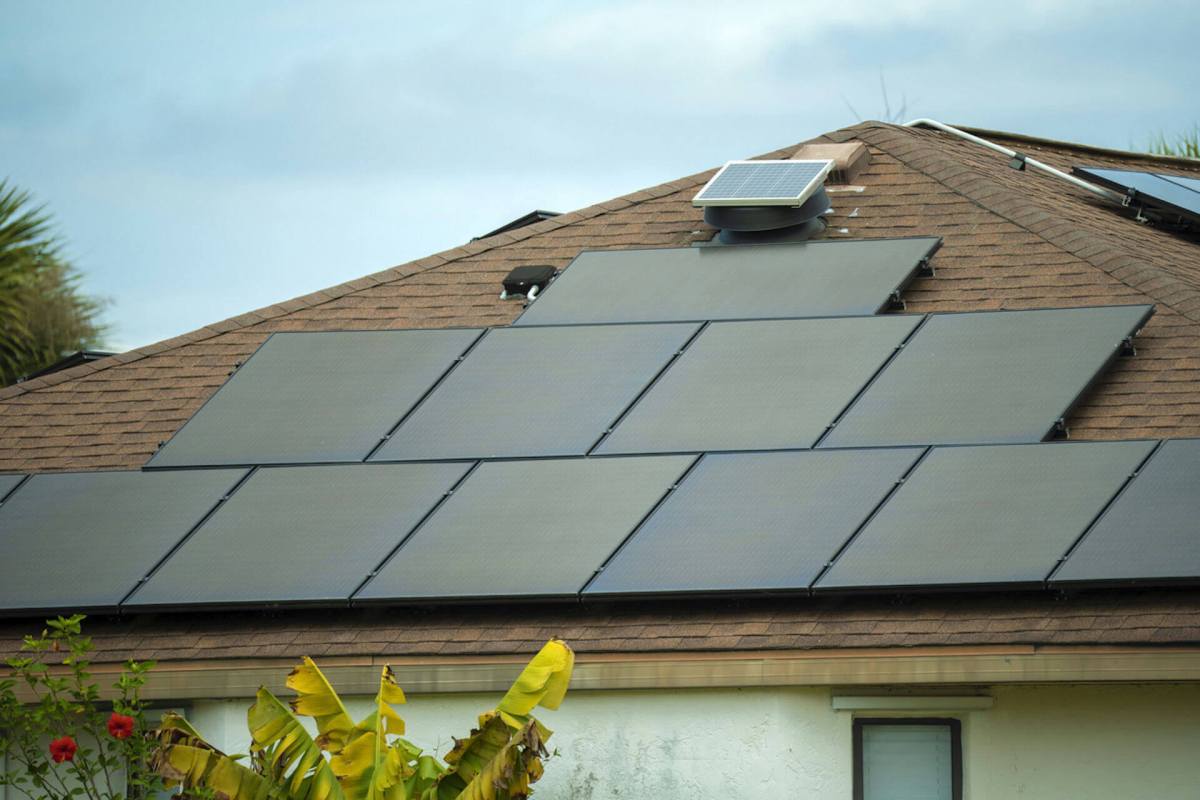

Shifting federal and local policies can dramatically impact the price of solar in your area. Luckily, EnergySage has all the tools you need to snag the best deal available when you invest in panels.
Homeowners who work with EnergySage experts can save up to $10,000 on the cost of installation. EnergySage even offers a free mapping tool so you can compare the average cost of solar in your area and see details on all available incentives.
If you want to protect your home from outages or even completely cut ties with the grid, consider pairing your solar panels with a home battery backup. EnergySage can help you here, too, with free resources to find the best battery for your home and budget.

Get TCD's free newsletters for easy tips, smart advice, and a chance to earn $5,000 toward home upgrades. To see more stories like this one, change your Google preferences here.






