


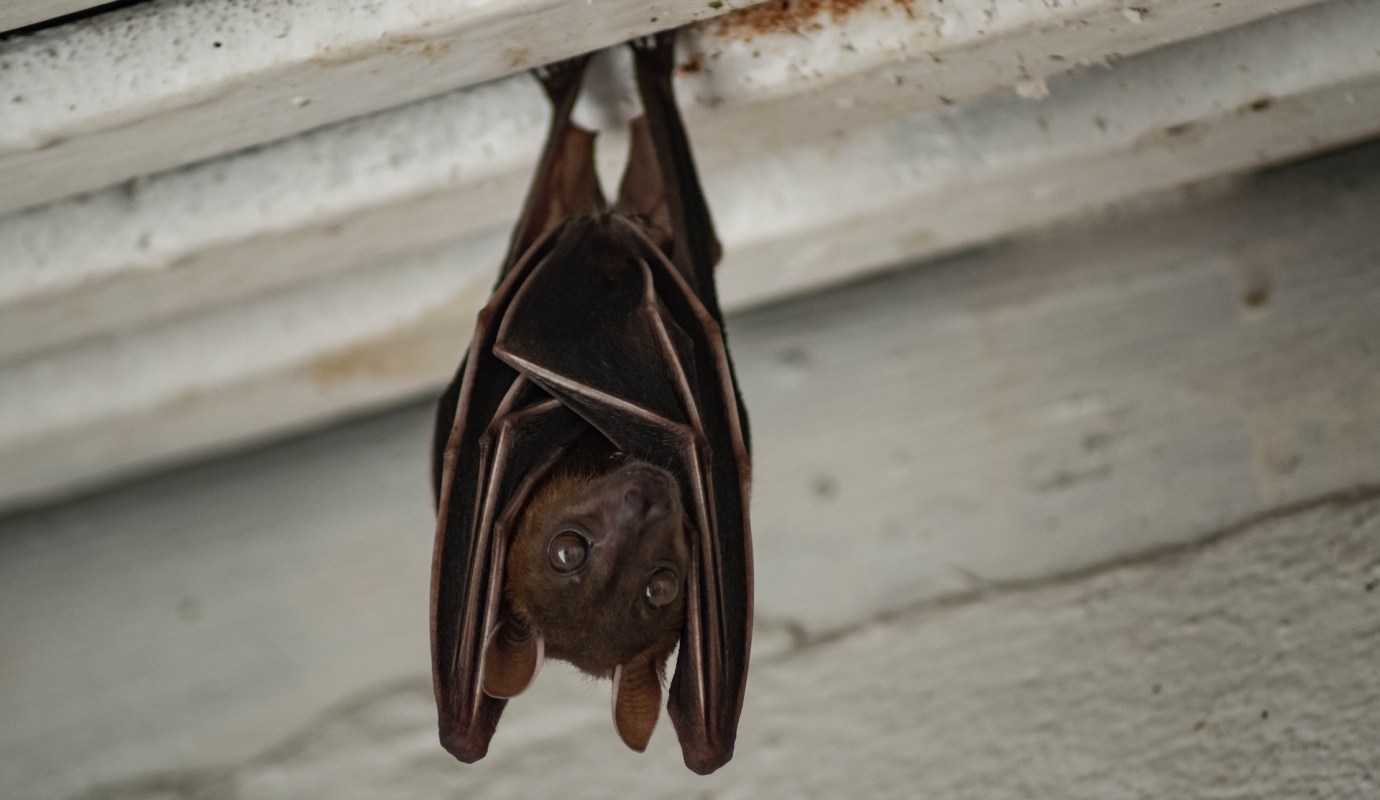
Researchers in Uganda have made a grim discovery about the spread of the deadly Marburg virus beyond a local "hot spot," Nature reported.
Marburg virus, which is in the same family as the Ebola virus, has no proven treatment or working vaccine. It can pass from bats to humans, sometimes traveling through a third-party animal.
In humans, the Marburg virus can cause a hemorrhagic fever, making it a severe health risk. That being the case, people living near carrier populations of bats may see posted warnings.
That is the case at Python Cave in Queen Elizabeth National Park in Uganda. The cave is the home of a colony of Egyptian fruit bats. While important to the ecosystem, the bats are also known to carry this dangerous virus, so signs are posted around their chosen roost to warn potential visitors of the risk.
That's why, when researchers set up cameras to observe African leopards and spotted hyenas at the cave, they weren't expecting to see a constant parade of unmasked visitors. Unfortunately, over 200 people approached the cave over four months, only one of whom wore a mask.
Meanwhile, researchers identified 10 different animals hunting or scavenging bats in the cave, capturing footage of a Nile monitor fighting an eagle for its catch and a leopard catching bats live — the first confirmation of that behavior in the species.
TCD Picks » Quince Spotlight
💡These best-sellers from Quince deliver affordable, sustainable luxury for all




All of these are potential ways that the Marburg virus could spread from the bats to the human population.
In fact, a visit to a cave is one of the most likely ways that an outbreak can occur. Boston University virologist Adam Hume shared an unpublished analysis with Nature, revealing that 43% of confirmed Marburg outbreaks since 1967 are known to have originated with cave visits, and another 28% are indeterminate.
The bats from this cave specifically have been linked to past outbreaks. In 2007, bats from this cave caused infections at the nearby Kitaka mine.
In 2007 and 2008, two tourists who visited the cave also became ill, and one of them died. Nature reported that Jonathan Towner, a viral ecologist at the U.S. Centers for Disease Control and Prevention, attributed those infections to likely contact with bat excrement from flying animals — an excellent reason for visitors to steer clear of the infectious cave.

Get TCD's free newsletters for easy tips, smart advice, and a chance to earn $5,000 toward home upgrades. To see more stories like this one, change your Google preferences here.







