


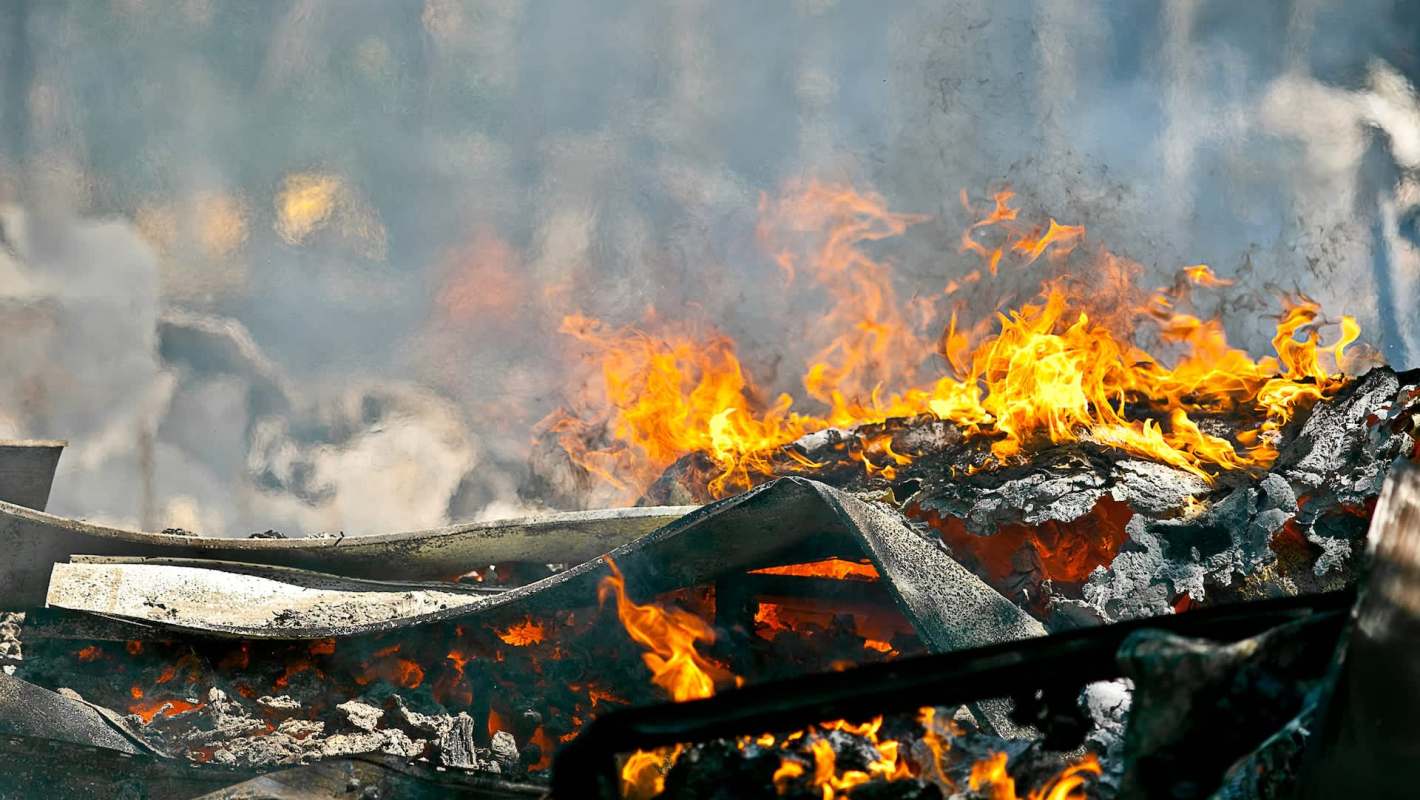
A doorbell camera captured a head-turning video of a gas explosion in North Texas, and the early investigation shows the blast may be linked to aging and faulty underground pipes.
According to a report from CBS News, the explosion in February critically injured one woman who was airlifted to the hospital following the blast.
What's happening?
Atmos Energy, a natural gas utility serving more than 3.3 million customers across the South, said that following the blast, its crews detected an isolated leak on a short section of pipe buried in the area, per CBS News.
The company claimed the pipe, which was made of a material only used between 1970 and 1971, was installed by a previous utility company.
As of the late April report, the ongoing investigation had yet to identify the specific pipe material or confirm whether it caused the explosion.
However, state records show that regulators in the early 2000s ordered the removal of a type of plastic gas pipe installed in the area in the early 1970s.
TCD Picks » Quince Spotlight
💡These best-sellers from Quince deliver affordable, sustainable luxury for all




"It now appears this short section of pipe was not found during previous removal efforts," Atmos said in a statement, per CBS News. "For that reason, we did not know it was there."
Why is the pipe material important?
Documents from the 2000s show that first-generation plastic gas pipes installed during that era were linked to multiple explosions across North Texas, CBS News reported. Regulators found this material, known as Poly-1 pipe, was prone to brittle cracking, which could allow natural gas to leak underground.
Following these findings and the series of explosions, including a fatal blast in 1997, Railroad Commissioners ordered the utility at the time, TXU Gas, to locate and remove all Poly-1 pipe from its network.
With no complete records showing where the pipe had been installed, TXU Gas dug more than 100,000 test holes in an effort to locate and remove it.
In 2004, when Atmos Energy acquired the gas distribution system, company officials said they reviewed those removal efforts and were told the 1970s-era piping had been removed.
What's being done about the gas leak?
Following the explosion, Atmos Energy said it now believes a section of this outdated pipe was missed during initial removal efforts.
Since acquiring the distribution system, Atmos says it has removed this type of pipe whenever it is found, and it is not aware of any more of the pipe existing anywhere else in Lake Dallas. However, it is reviewing earlier documentation to determine what can be done to ensure all outdated pipes have been fully removed.
In the meantime, Atmos employees have been replacing gas lines in the Lake Dallas neighborhood to ensure there are no other leaks.
Neighbors in the area told CBS News that the work has not eased their anxiety.
"I'm worried because that could happen to anybody in this neighborhood," said Eliana Saavedra, a Lake Dallas resident.
Although gas leaks are relatively rare, they can have devastating consequences, putting homes at risk and posing serious dangers to the families inside.
You can reduce some of the risks associated with gas in your home by switching to electric appliances. For example, induction cooktops offer a relatively easy and affordable way to replace a gas stove, lowering the risk of leaks while also cutting down on indoor air pollution from aging equipment.

Get TCD's free newsletters for easy tips, smart advice, and a chance to earn $5,000 toward home upgrades. To see more stories like this one, change your Google preferences here.






