


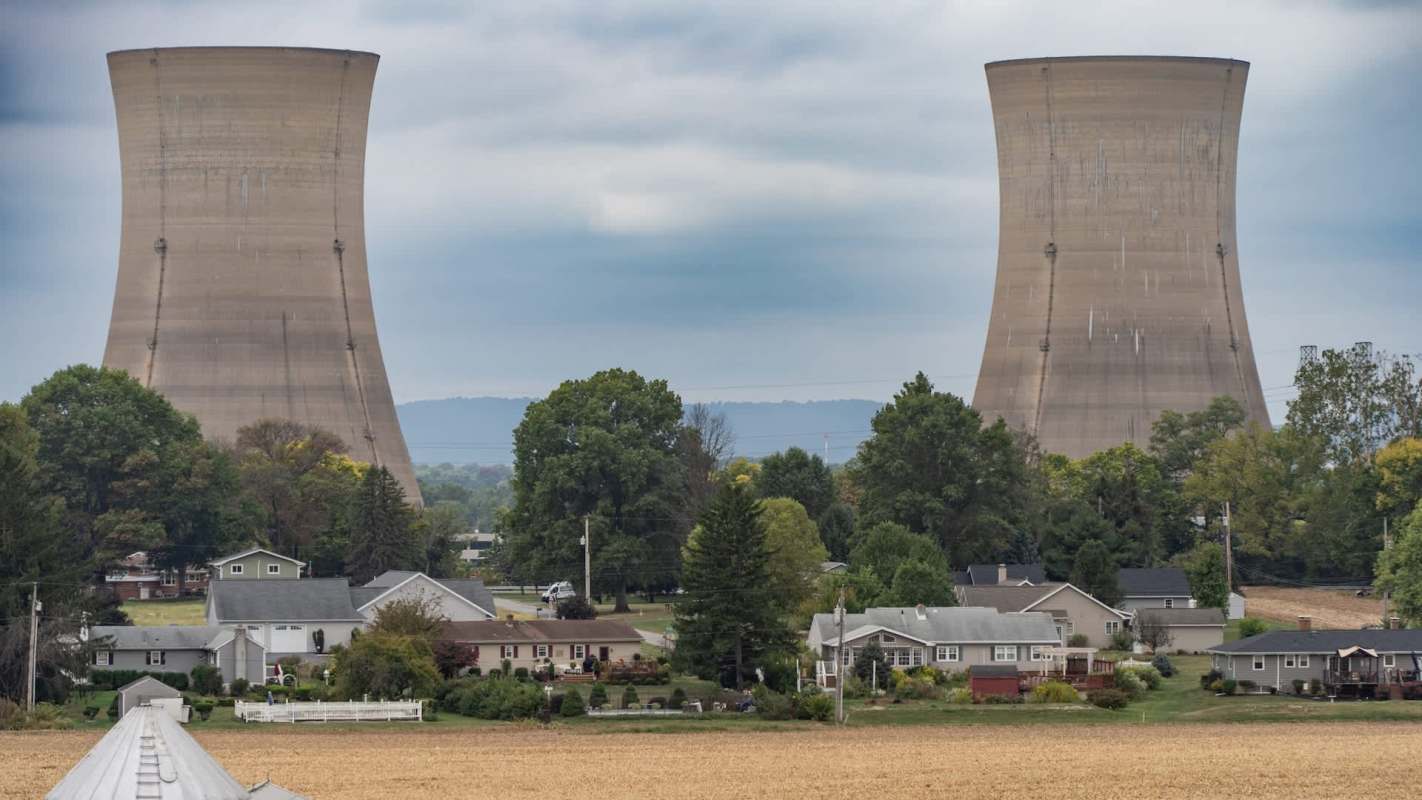
Surging energy prices and technology-driven power demand have grid planners considering their options to keep electricity flowing — including more nuclear energy.
EcoBits, a YouTube channel focused on the environment, energy, and science, dug into the possibility of America becoming a country of Springfields, the setting for the popular cartoon The Simpsons that has a nuclear power plant located just outside town.
"Will you someday have a nuclear power plant in your neighborhood?" the YouTube creators wrote with the clip.
Host Justin Pack's assessment? Mr. Burns won't be arriving in towns with regularity until the 2030s, and that's only if costs can be reduced and emerging small modular reactor technology is successfully developed.
"Our take is the real solution is probably going to be a hybrid of solar, wind, and SMRs," he said.
SMRs are engineered as cheaper, more quickly deployable alternatives to large nuclear plants, according to the U.S. Department of Energy. Pack added that they have a smaller footprint and can be quickly stacked to provide more power if needed.
TCD Picks » Quince Spotlight
💡These best-sellers from Quince deliver affordable, sustainable luxury for all




While the portrayal of the energy source in The Simpsons is often absurd — the United States government said that atomic waste is solid pellets, not green ooze, for example — the show periodically touches on topics that would concern any resident. Radiation, cost, reliability, and even aesthetics sometimes face Springfielders.
In the real world, just under 20% of U.S. energy generation is from larger plants that use fission energy to split atoms, according to the Energy Information Administration. The process generates heat to power steam turbines, per government fact sheets.
SMRs use the same science, just on a smaller and modular scale. Traditional water-cooled SMRs — and advanced kinds that use molten salts and other coolants — are in development, Pack noted.
The abundant energy is produced without air pollution, and SMRs are being eyed to power data centers, ships, and remote work locations. The World Nuclear Association is tracking dozens of SMR projects around the world, with most having completion dates in the next decade or beyond. Russia and China, however, have active units.
The reactors come with some risks and high costs, as Pack noted. The Union of Concerned Scientists also has a list of SMR fears, including security and safety. As for cost, analysts at New York's Lazard reported that wind and solar are the cheapest and fastest energy sources to develop at scale.
For now, Pack said regulations, expense, and other factors will likely slow SMR progress from having an immediate impact on a town-by-town basis.
Staying informed about emerging energy tech, especially nuclear, can help you better decide what policies are best for your community's health.
"Could you be living in a nuclear neighborhood in the near future?" Pack asked. "Quite possibly. But it's going to be a few years at least."

Get TCD's free newsletters for easy tips, smart advice, and a chance to earn $5,000 toward home upgrades. To see more stories like this one, change your Google preferences here.






