


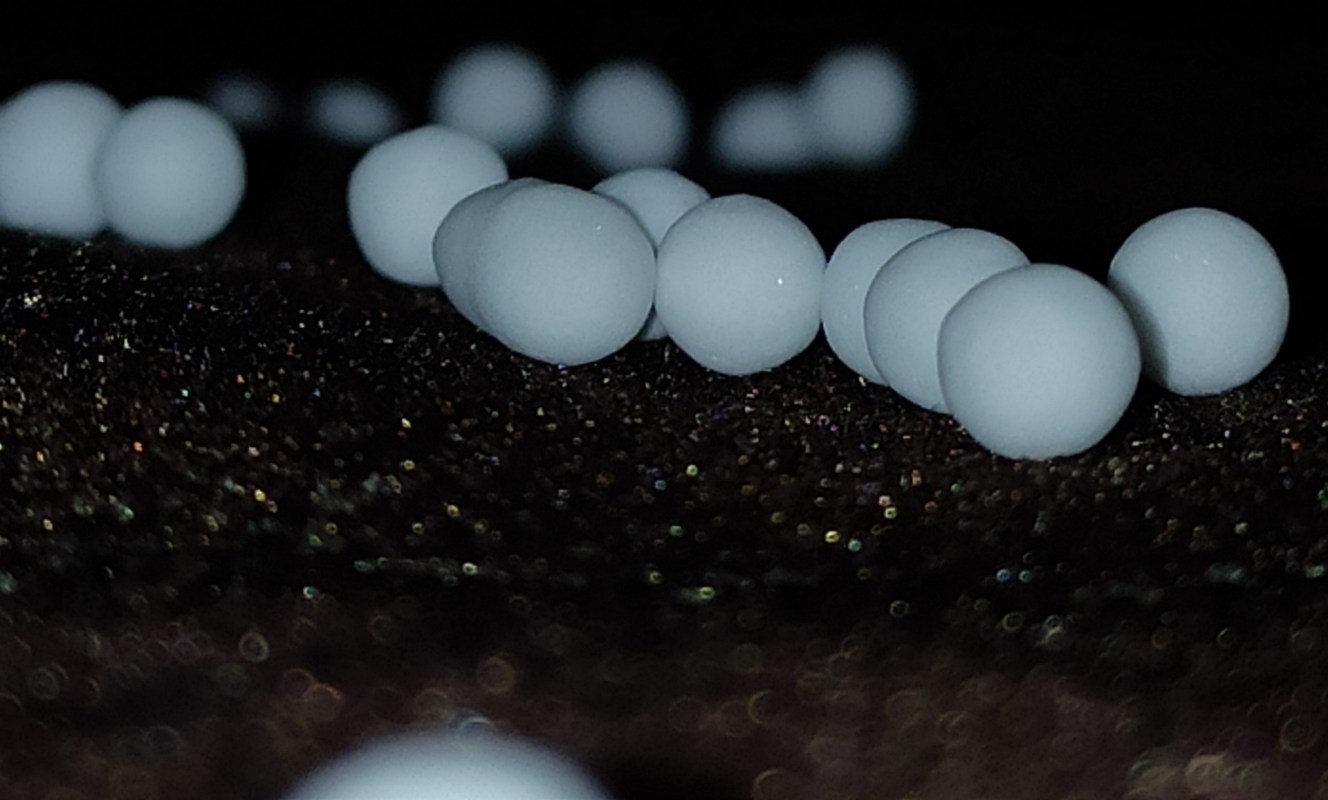
Wildlife officials in Tampa Bay, Florida, are investigating after finding thousands of toxic mothballs scattered across a stretch of St. Pete Beach near a colony of protected birds.
According to the Tampa Bay Times, the mothballs were spread near a colony of protected black skimmers that had gathered near the dunes. Brian Ferguson, a senior officer with Florida's wildlife agency involved in the investigation, believes the person who spread the mothballs may have wanted to prevent the birds from nesting on the beach.
As with many species, habitat loss remains a primary challenge for black skimmers, leading the Florida Fish and Wildlife Conservation Commission to designate skimmers as a state-threatened species. Nonetheless, they flourish along the Gulf and Atlantic coasts with suitable breeding conditions, even as human residents seek to maintain clear nesting areas.
It's illegal to use mothballs as a pest repellent in Florida because their high concentrations of chemicals, such as naphthalene and paradichlorobenzene, can harm people, pets, and wildlife. These substances have been fatal for wildlife, particularly when used in burrows or ingested, and they may also increase cancer risks in humans.
Officials have not identified a suspect. The local community rallied alongside officials to help clean up thousands of the toxic balls from the beach. They likely did not find them all, either, meaning some risk remains.
The situation underscores the importance of community engagement and responsible practices in protecting local wildlife. Similar efforts have taken place in locations such as the Isle of Wight, England, where residents clean harmful plastic pellets from the shore to protect the environment and wildlife.
TCD Picks » Quince Spotlight
💡These best-sellers from Quince deliver affordable, sustainable luxury for all




"I am absolutely disgusted," wrote Maryalice, a Nextdoor user from St. Pete Beach who aided in the cleanup, according to the Tampa Bay Times. "Obviously, it was done to deter the skimmers from establishing their nests in this area... This is an environmental hazard and harmful to humans as well as to wildlife."

Get TCD's free newsletters for easy tips, smart advice, and a chance to earn $5,000 toward home upgrades. To see more stories like this one, change your Google preferences here.







