


While PFAS, or per- and polyfluoroalkyl substances, are known as "forever chemicals," a study has indicated that "everywhere chemicals" might be just as apt a nickname.
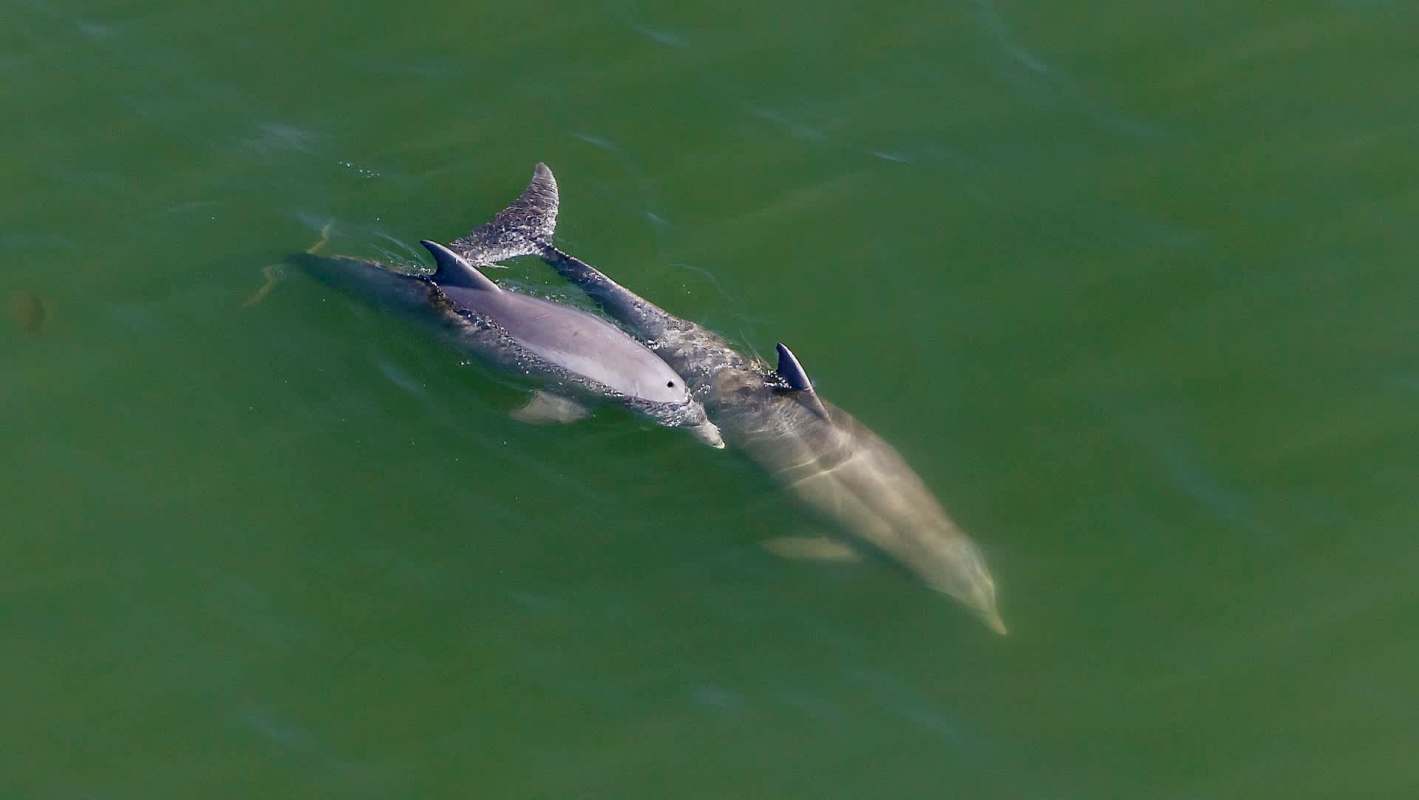
Research has revealed that mother dolphins can transmit PFAS to their calves while nursing. Since dolphins nurse for lengthy periods and their milk is rich in fat, researchers explained that its contents can provide an insight into the spread of contaminants.
"Dolphins are a potential sentinel of global contamination; changes in their health can reveal broader environmental problems that may eventually affect other wildlife and humans," said Dr. Weihsueh Chiu, one of the study's authors, in a press release.
Originally intended for industrial applications, PFAS are also found in common household items, such as non-stick cookware and various food packaging. The substances earn the "forever chemicals" label because they can take a long time to degrade naturally.
The study noted that early exposure to PFAS can adversely affect health during critical developmental stages. PFAS exposure can also hamper the immune system and detrimentally impact growth, hormone function, and liver health.
Humans can spread these chemicals through breastfeeding, prompting regulations aimed at protecting breastfeeding infants from contaminated water.
TCD Picks » Quince Spotlight
💡These best-sellers from Quince deliver affordable, sustainable luxury for all




The impacts may not cause immediate health issues in individual cases, but they can affect entire populations, slightly diminishing immune responses and increasing susceptibility to illnesses.
For those reasons, it's concerning that dolphins and other marine life are grappling with PFAS exposure. This is far from a new problem, as the study actually tested dolphin milk samples collected between 1991 and 1993.
The researchers used multiple methods to comprehensively detect the chemicals in dolphin milk. Several PFAS found in the dolphin milk samples were detected at concentrations that raise concerns when compared to established human health benchmarks.
The study illustrated that PFAS are far from a human-only issue, and they could well be threatening marine life at its most vulnerable developmental stages.
"This is a global contamination problem, and it doesn't have borders," Chiu concluded.

Get TCD's free newsletters for easy tips, smart advice, and a chance to earn $5,000 toward home upgrades. To see more stories like this one, change your Google preferences here.







