


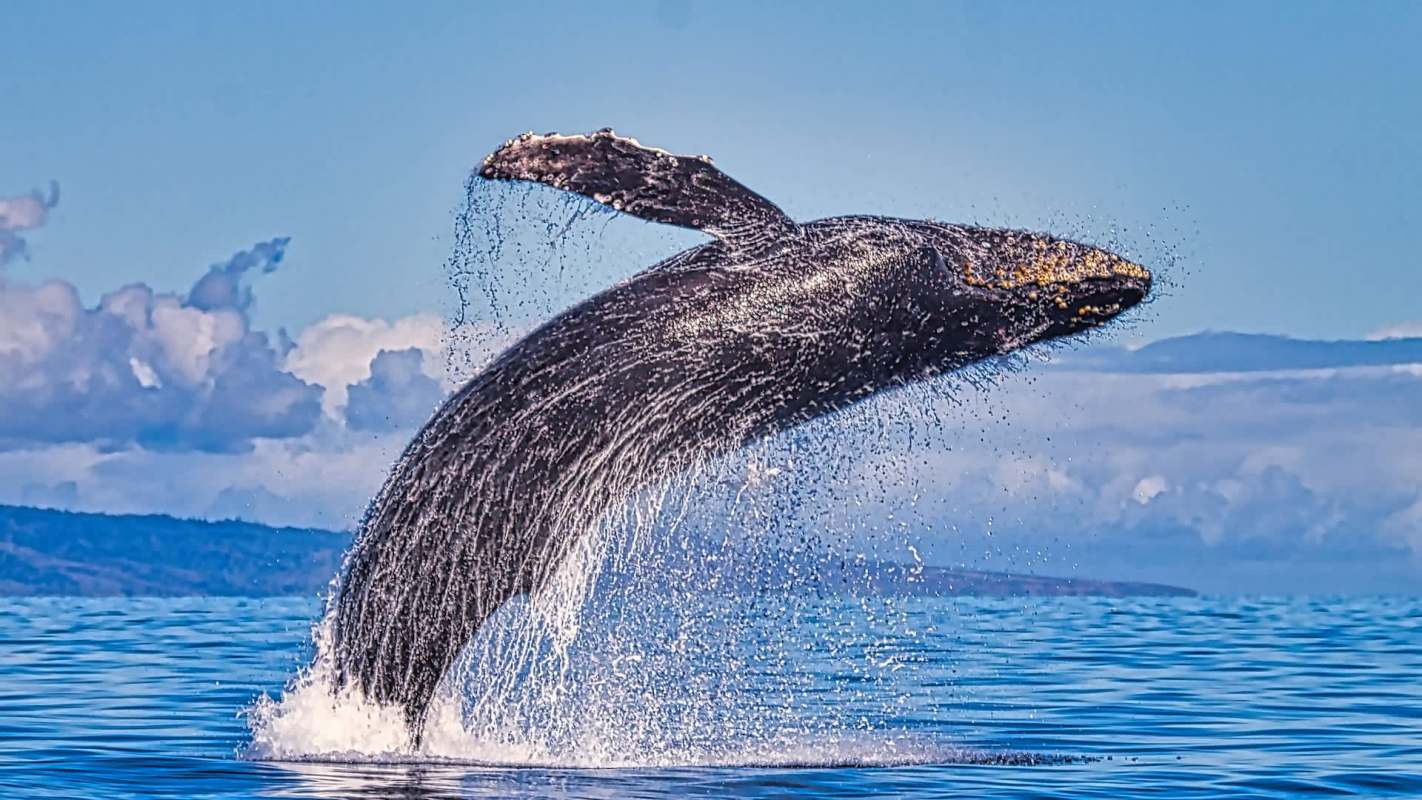
An extraordinary photo expedition by two wildlife photographers has recorded the largest gathering of humpback whales ever identified in one day.
The BBC reported that Monique and Chris Fallows set out from South Africa's west coast last December, aiming to capture images of humpback whales, and their experience exceeded expectations.
On Dec. 29, they photographed 208 individual humpback whales, followed by an additional 304 the next day. They submitted the images to the Happywhale citizen science project.
The 512 whales they photographed included some duplicates, bringing the total number of individual animals identified to 372. Among those, only a handful had been previously photographed, said Ted Cheeseman, a marine conservationist who founded Happywhale.
"We don't know the age of the whales. We use their sighting history as a proxy for age, but I think the great majority of those whales are under 10 years old," he said, according to the BBC. "These are new whales. This is a population rebounding."
"This truly is a testament to their recovery," Chris Fallows stated regarding the count.
TCD Picks » Quince Spotlight
💡These best-sellers from Quince deliver affordable, sustainable luxury for all




The resurgence of humpbacks is encouraging, as they play a vital role in maintaining the health of the ocean ecosystem. By consuming plankton and krill, they contribute significantly to the marine food web and nutrient cycles.
Humpback whales nearly died off because of aggressive whaling practices, but a global moratorium 40 years ago has allowed populations to rebound. Some populations remain at risk, but overall, humpbacks are on a positive trajectory. This is especially so in the Southern Hemisphere, where numbers have increased by up to 12% per year, the BBC reported.
Sightings of large groups like this, defined as gatherings of 20 or more whales within close proximity, have surged dramatically in recent years. Experts are still investigating the reasons behind this uptick, but they believe it may be linked to prey availability or an overall increase in whale populations.
The ability to track individual whales through projects such as Happywhale is essential for understanding and monitoring whale populations and for scientists to study their migration patterns and overall health.
As the population continues to grow, it brings positive implications. However, entanglement in fishing gear, vessel strikes, noise pollution, and rising ocean temperatures still threaten humpback whales.
|
Which of these savings plans for rooftop solar panels would be most appealing for you?
Click your choice to see results and earn rewards to spend on home upgrades. |
 Save $1,000 this year 💸
Get TCD's free newsletters for easy tips, smart advice, and a chance to earn $5,000 toward home upgrades. To see more stories like this one, change your Google preferences here.







