


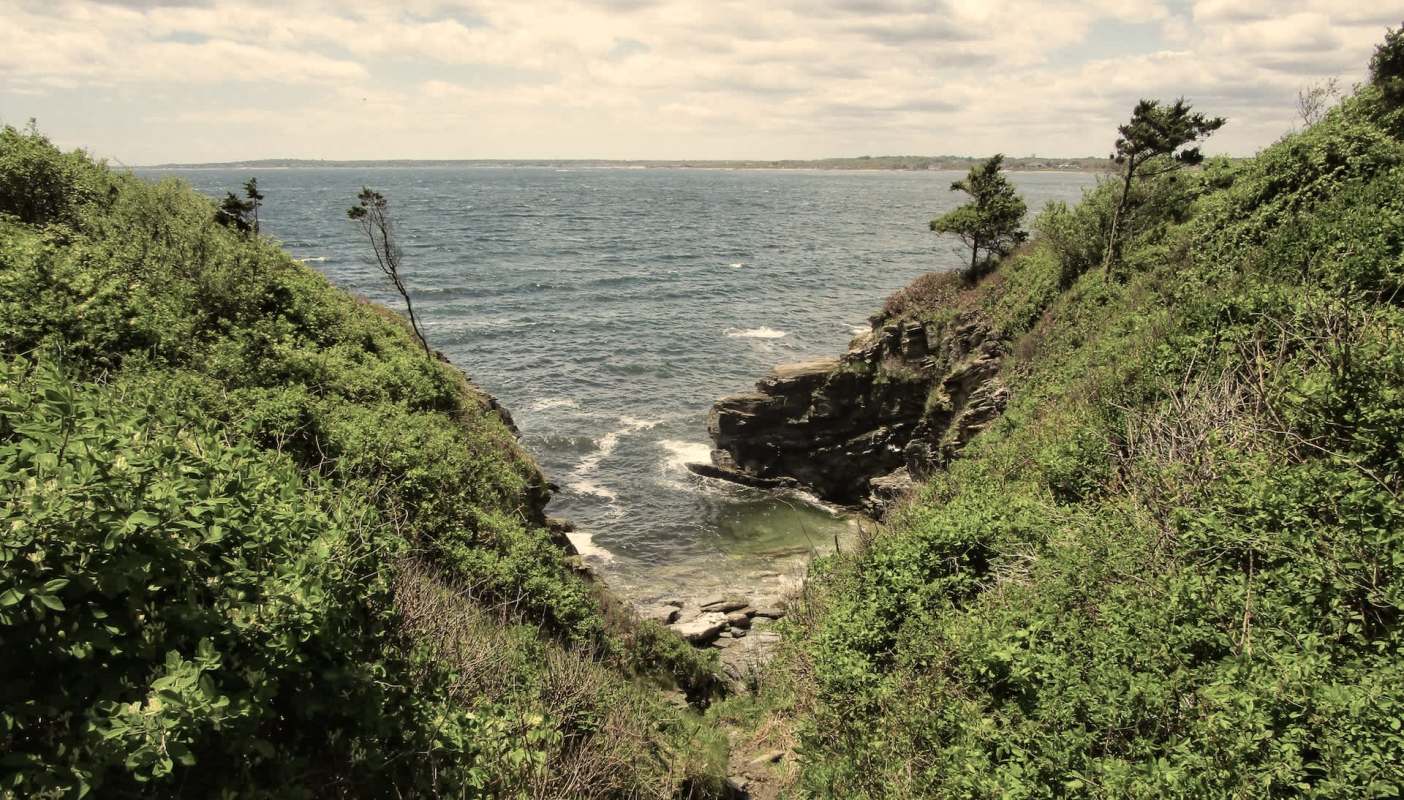
Thousands of tons of tiny plastic particles have been piling up in the mud and marshes of Rhode Island's Narragansett Bay since the 1940s.
Pollution levels climbed at an exponential rate decade after decade, according to a study published in the journal Environmental Science and Pollution Research.
What's happening?
University of Rhode Island researchers collected 10 tubes of layered mud from locations across Narragansett Bay and off the shore of the Rhode Island Sound to trace how plastic contamination has shifted over time.
"For this study, we use sediment cores, and sediment cores are like a time capsule. Sediment in the ocean deposits layer by layer," said Victoria Fulfer, the study's lead author and a microplastic scientist at the 5 Gyres Institute.
"As you go deeper into the sediment, you're going back in time," Fulfer explained in an interview with the Boston Globe.
Plastic particle counts have been growing exponentially since the mid-twentieth century, and the most dramatic spike occurred during the 1980s.
TCD Picks » Quince Spotlight
💡These best-sellers from Quince deliver affordable, sustainable luxury for all




Nine out of 10 sampling locations exceeded accepted safety limits for bottom-dwelling sea life. The team estimated that between 2,300 and 3,000 metric tons of plastic fragments sat buried on the Bay's seafloor.
Salt marshes turned out to be especially contaminated, holding 10 to 50 times more plastic particles per kilogram of sediment than bare seafloor in the same area.
Why is microplastic pollution in Narragansett Bay concerning?
Microplastics can be swallowed by clams, mussels, crabs, and other creatures that feed on or near the seafloor.
Studies have linked plastic ingestion to slowed growth, DNA damage, reproductive problems, and heightened stress responses in shellfish.
|
Which of these savings plans for rooftop solar panels would be most appealing for you?
Click your choice to see results and earn rewards to spend on home upgrades. |
 Save $1,000 this year 💸
 These same animals end up on dinner plates in towns along the coast — and they help keep local ecosystems functioning.
These tiny particles can absorb heavy metals and chemical pollutants from the water and sediment around them, potentially carrying those toxins up the food chain when eaten by wildlife or harvested for human consumption.
Pollution was heaviest near the city of Providence and other developed areas, where paved surfaces and hardened shorelines funnel runoff directly into the water.
What's being done about microplastic pollution?
Rhode Island has no statewide rules targeting plastic pollution, though some towns have passed bag bans.
Previous cleanup efforts for heavy metals and wastewater in Narragansett Bay proved that targeted action can make a big difference. Researchers say a similar approach could work for plastics.
If you want to pitch in, ditch disposable plastics where you can and bring your own bags and bottles instead.
Support legislation requiring washing machines to include built-in microfiber filters, a measure already moving forward in some states.
You can also contact your legislators to push for stricter regulations on plastic waste at its source.

Get TCD's free newsletters for easy tips, smart advice, and a chance to earn $5,000 toward home upgrades. To see more stories like this one, change your Google preferences here.







