


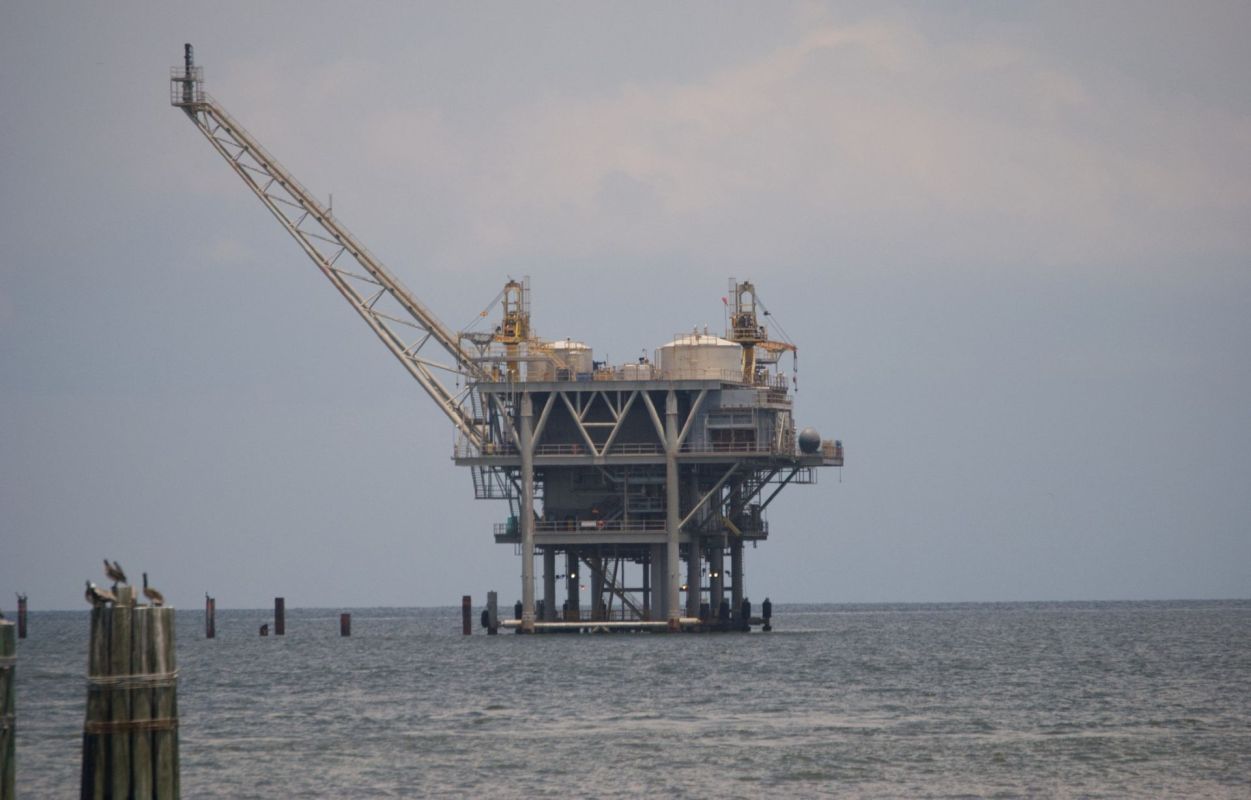
Oil and gas companies scored a major victory Friday with a unanimous ruling by the Supreme Court, giving them an opportunity to shift environmental lawsuits concerning state regulations to federal courts perceived as more favorable.
The case, Chevron USA Inc. v. Plaquemines Parish, Louisiana, centered on whether oil companies could transfer cases concerning environmental damage from state to federal court. The ruling has drawn attention from parties involved in other climate-related litigation, as state courts are often viewed as more sympathetic to plaintiffs.
This ruling comes after a state jury decided that Chevron must pay more than $744 million to restore damage it caused to Louisiana's coastline.
Justice Thomas highlighted that Chevron had met the requirements to move the case to federal court, citing its historical oil production dating back to World War II, when the company refined crude oil for military use, according to the New York Times.
According to the U.S. Geological Survey, Louisiana has lost approximately 1,900 square miles of coastal land since the 1930s, an area larger than Rhode Island. Plaquemines Parish, located at the southern tip of the state, has already lost nearly half of its area due to rising sea levels tied to climate change.
The construction of levees intended to protect New Orleans has compromised the coastal ecosystem by limiting access to freshwater and sediment. Experts also found that the dredging of canals to oil and gas drilling and production sites has been a significant contributor to ecosystem degradation.
TCD Picks » Quince Spotlight
💡These best-sellers from Quince deliver affordable, sustainable luxury for all




Since 2013, local parishes have filed more than 40 lawsuits seeking billions in damages from oil companies, accusing them of harming the coastline through improper practices over many years.
According to the Associated Press, these lawsuits have garnered support from Louisiana Republican leaders and longtime supporters of the oil and gas industry. Gov. Jeff Landry and Attorney General Liz Murrill have endorsed these legal efforts.
The parishes filed suit under Louisiana's State and Local Coastal Resources Management Act, claiming the companies violated mandates requiring work areas to be adequately restored.
The fossil fuel companies have countered, asserting that their activities did not cause harm to the coastline and that the law was enacted long after they began operations, initially under federal contracts during World War II. They contend that this historical context necessitates that the cases be decided in federal courts.
|
Which of these savings plans for rooftop solar panels would be most appealing for you?
Click your choice to see results and earn rewards to spend on home upgrades. |
 Save $1,000 this year 💸
 A federal trial court judge determined that the oil companies did not successfully demonstrate that their extraction activities were conducted under federal directives. A divided panel of the U.S. Court of Appeals for the Fifth Circuit upheld this decision, indicating the cases belonged in state court.
In a statement following the ruling, Chevron spokesperson Bill Turenne expressed approval and anticipated litigating the cases in federal court, believing it was the appropriate venue.
John Carmouche, an attorney representing Plaquemines Parish, remains steadfast despite the setback. "Simply changing where the case will be heard, as has happened, will not deter our efforts to have Big Oil held accountable for the damages they caused and the enormous restoration they owe the people of Louisiana," he said, according to the AP.

Get TCD's free newsletters for easy tips, smart advice, and a chance to earn $5,000 toward home upgrades. To see more stories like this one, change your Google preferences here.






